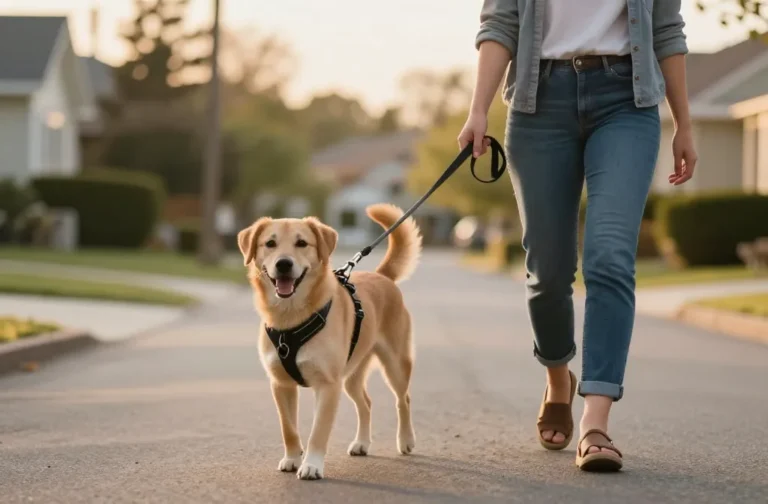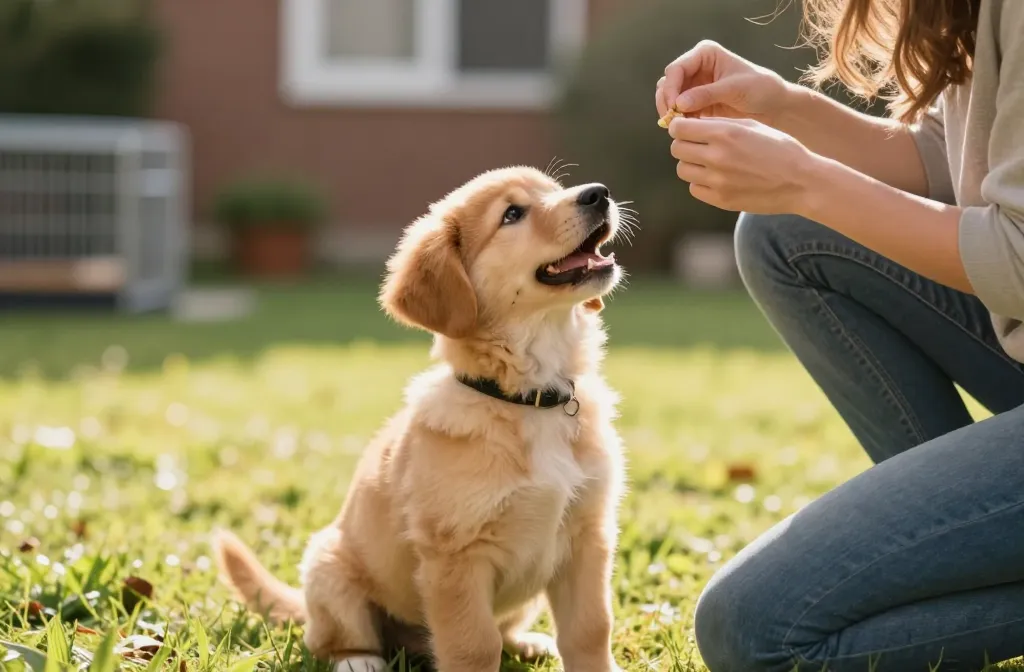
Complete Potty Training Puppy Schedule for Fast Results You Can Use Today
Ready to speed through potty training without the chaos? This friendly, no-nonsense schedule keeps both you and your puppy sane. Let’s dive into five easy, practical steps you can start today.
1. Wake-Up Race Plan: Hourly Potty Breaks from Day One
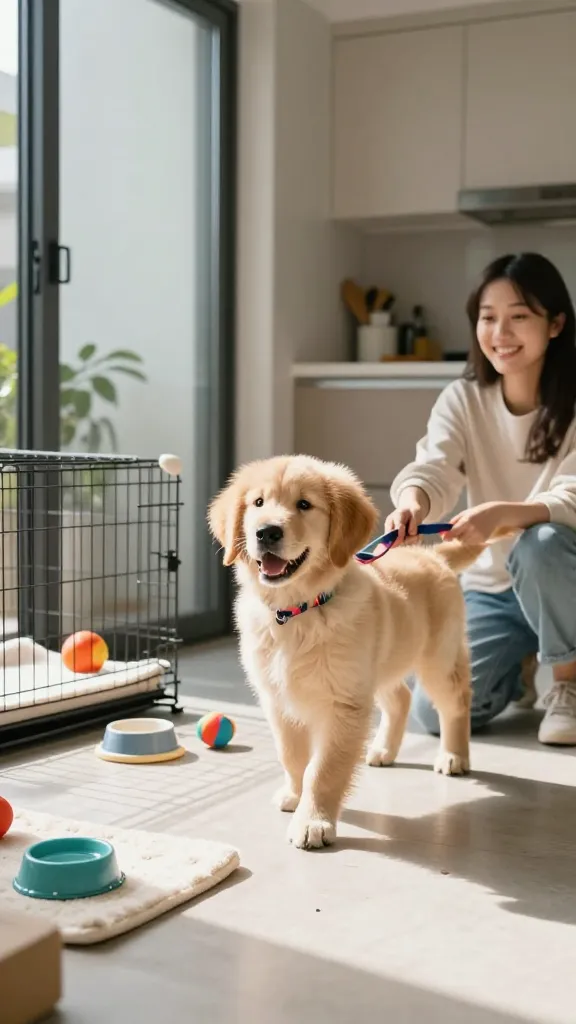
Mornings set the vibe for the day, and puppies thrive on predictability. A structured wake-up routine minimizes accidents and builds confidence fast.
Why it works
- Establishes a predictable routine your puppy can anticipate
- Reduces indoor accidents by catching signals early
- Gives you a chance to reinforce good behavior right away
How to execute
- Take your puppy outside within 10 minutes of waking up.
- Plan a quick bathroom session every 60–90 minutes throughout the day.
- Carry treats for immediate praise after elimination outside.
Benefits and when to use
Regular potty breaks minimize missed opportunities and speed up house-training progress. Use this approach for the first two weeks, then adjust as habits form.
2. The Crate-to-Critter Transition: Safe Space, Strong Boundaries
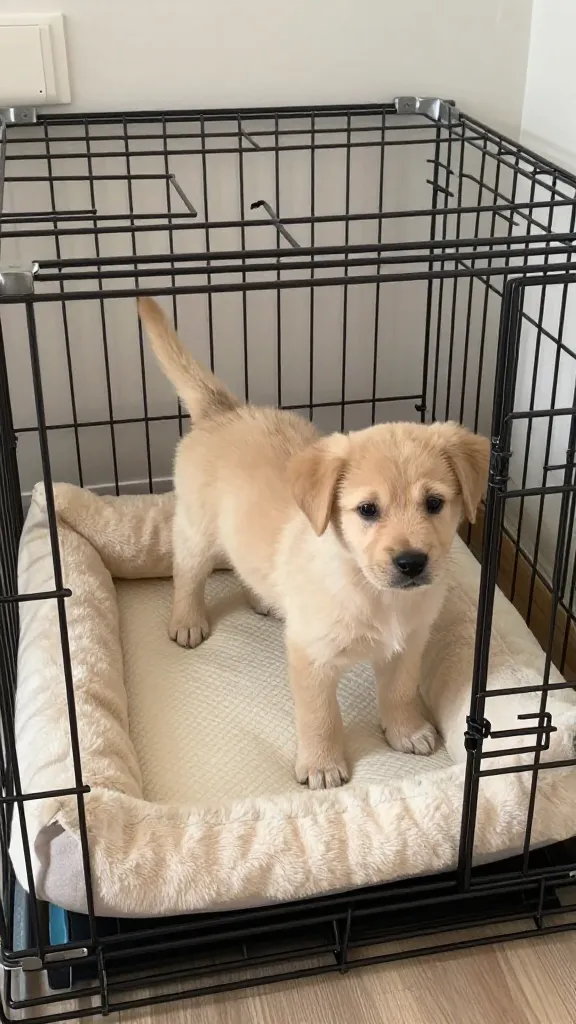
A crate isn’t a prison—it’s a cozy command center that teaches bladder control and limits messes. This section turns crate time into winning time.
Why it works
- Prevents scolding for accidents by containing messes
- Promotes calm, focused elimination when you take them out
- Builds a strong sense of safety and routine
How to set it up
- Choose a crate size that allows standing, turning, and a small bed
- Lined with a washable mat for easy cleanup
- Introduce gradually with positive associations and favorite toys
When to use
Use crate time during meals, naps, and when you’re busy. Aim for short, positive sessions and never use it as punishment.
3. Meal-to-Elimination Mapping: Predictable Potty Windows
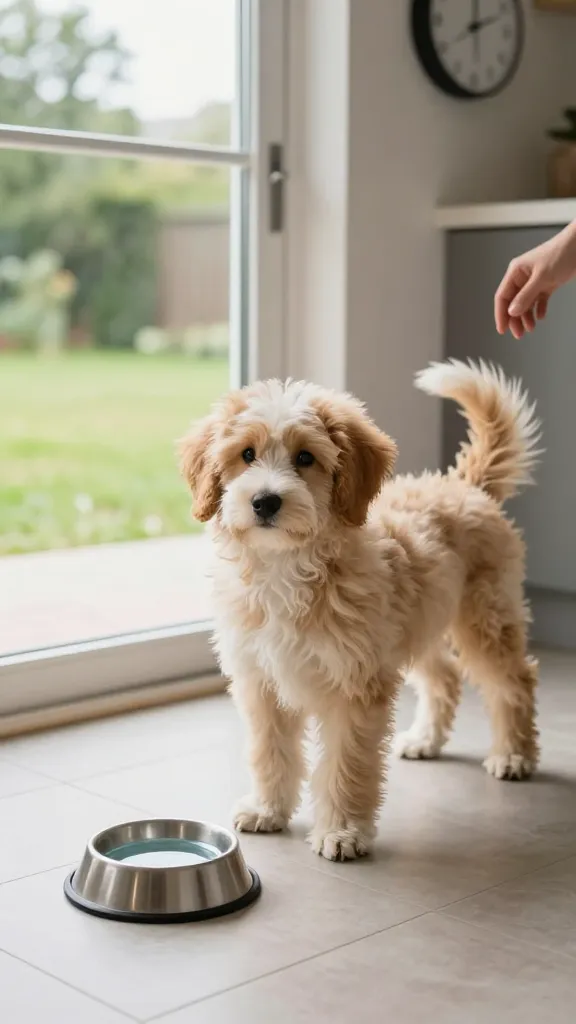
Food timing controls how often your puppy needs to go. A consistent schedule reduces guesswork and accelerates potty training milestones.
Why it works
- Creates predictable elimination windows
- Helps you plan potty breaks around digestible clues
- Reduces sudden accidents during playtime or cuddles
Practical steps
- Feed at the same times each day (e.g., 7 a.m., 1 p.m., 6 p.m.)
- Watch for signals 15–30 minutes after meals and give an outside opportunity
- Record potty times to spot patterns and adjust timing
Tip
IF you notice a pattern like “needs to go 20 minutes after meals,” tune your schedule to match. FYI, consistency beats intensity here.
4. Positive Reinforcement Protocol: Quick Feedback That Sticks
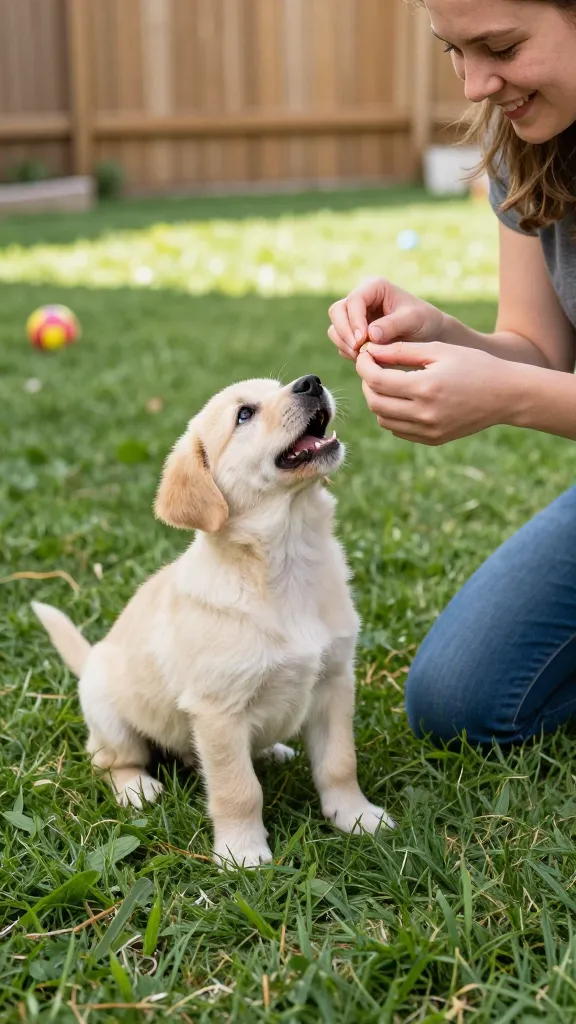
Shaping behavior with praise, not punishment, speeds up training and builds trust. This section shows you how to reinforce the exact moment elimination happens outside.
Why it works
- Encourages repeatable behavior through immediate reward
- Turns potty breaks into a bonding ritual
- Reduces anxiety around the process
What to do
- Give praise the moment your puppy finishes outside
- Offer a small treat immediately after elimination
- Keep rewards brief to avoid distracting from the task
Bonus tips
Use a consistent cue like “Go potty” before you head outside. This helps your puppy associate the cue with the action over time. Trust me, the cue becomes a powerful shortcut for future sessions.
5. Playful Breaks and Gradual Independence: Build Confidence Without Chaos
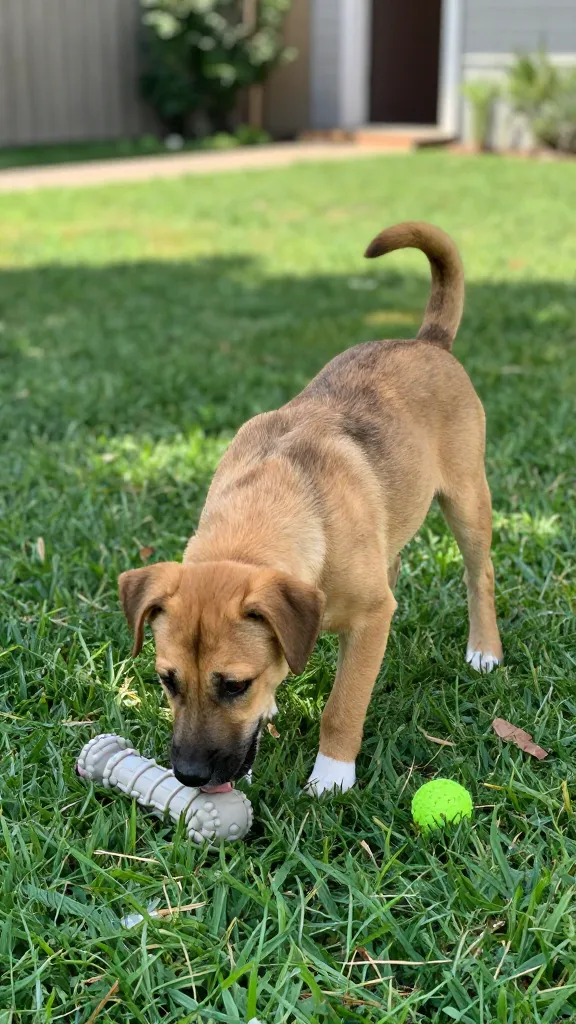
Potty training isn’t just about domes and schedules; it’s about keeping your puppy engaged and calm between bathroom runs. Short bursts of play and down-time balance energy and focus.
Why it works
- Prevents pent-up energy that leads to indoor accidents
- Maintains a positive association with the outdoors
- Encourages self-control and sniffing for cues
How to structure it
- Schedule 5–10 minute play sessions after each outside potty break
- Include gentle fetch or puzzle toys to expend energy calmly
- End every outdoor session on a high note with a potty completion and praise
When to apply
Use this approach daily for the first three weeks, then taper as your puppy gains control. Seriously, consistency here pays off in big wins.
To recap, these five sections form a complete potty training loop: wake-up routines, crate boundaries, meal-related timing, positive reinforcement, and structured play. The key is consistency, quick feedback, and lots of good vibes. FYI, you’ll see fewer accidents and more confident little dogs faster than you expect.
Bottom line: this schedule keeps you organized, your puppy curious and calm, and your home a lot less muddy. Try it this week, and you’ll be amazed at how quickly your pup starts making progress. You’ve got this — go earn those potty-training wins!