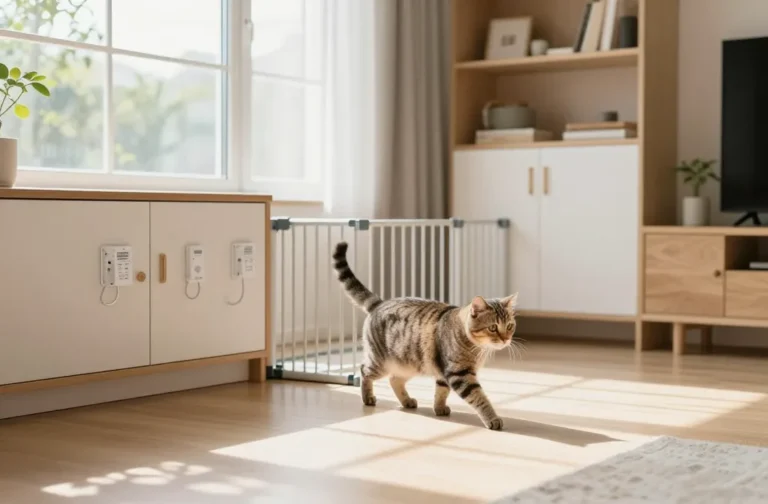
3 Cat Gates Indoor Ideas for Safe Spaces: Calm, Cozy, Playful
Think you’re outsmarting your curious feline with a simple barrier? Think again. These indoor gate ideas create safe zones without turning your home into a maze. FYI, your cat will actually love having comfy, roped-off spots to retreat to when the world gets loud.
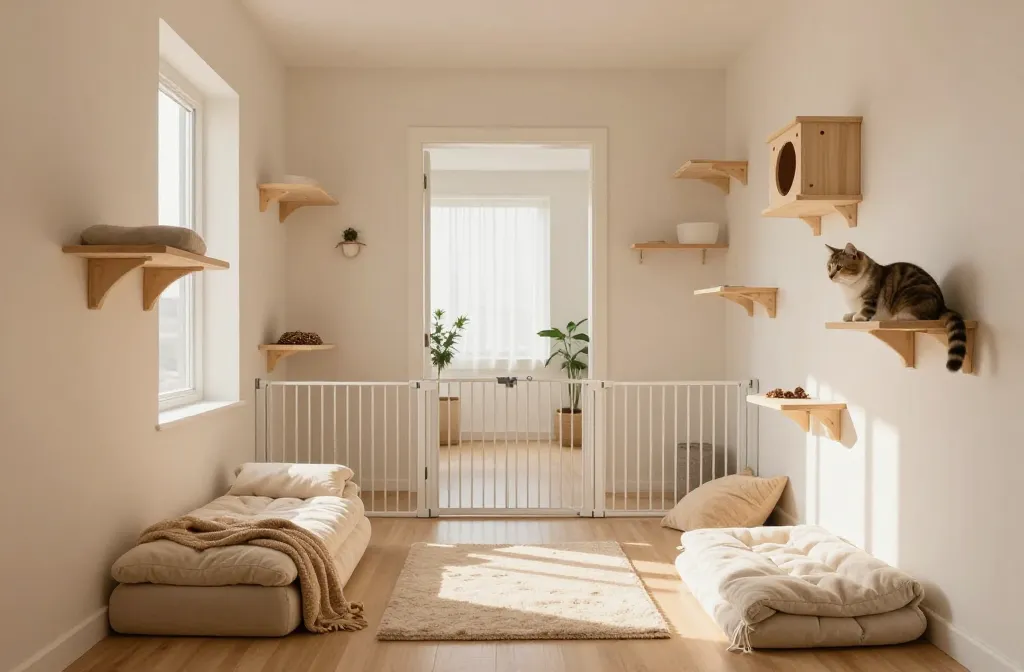
1. Create a Calm Cat Corridor With Visible Perches

Your cat craves vertical territory and a clear line of sight. This idea builds a mini corridor that feels like a VIP lounge for your furry friend, while you still maintain control of open spaces. Seriously, the right setup makes a huge difference in reducing stress and stubborn doorway standoffs.
Key Elements:
- Low-visibility gates or baby gates with wide spacing
- Wall-mounted shelves or freestanding cat perches
- Soft lighting and cozy blankets for that spa vibe
The goal is to give your cat a route that keeps them calm and entertained. When they can retreat to a high perch and observe, they’re less likely to sprint through every door you leave ajar. Trust me, a calm cat is a quiet home.
When to use: during dinner time, guest visits, or moments when you need a little spill-proof space without closed doors that feel punitive.
2. Build a Peek-A-Boo Play Nook Behind Closed Doors
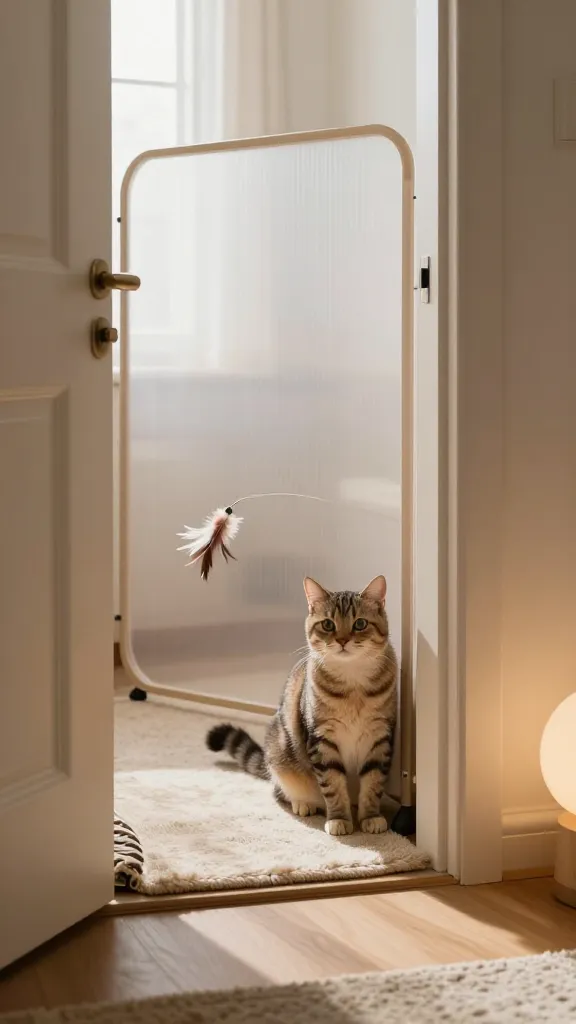
This setup turns an ordinary doorway into a playful hideout. Use a short, freestanding panel behind a door or a semi-translucent screen to create a private zone that still feels open to the room. IMO, the playground meets privacy vibe is a win for cats who want both stimulation and a sense of safety.
Smart Install Tips:
- Choose a lightweight, movable screen for easy access
- Incorporate a narrow tunnel or ramp for extra exploration
- Add a dangling toy or feather wand to spark curiosity
Why this is awesome: it provides a secret club vibe where your cat can nap, observe, and play without feeling trapped. The barrier remains functional and gentle, not punitive, which makes lion-hearted explorers feel respected. FYI, the secret clubhouse aesthetic is surprisingly calming for anxious cats.
When to use: during vacuuming, DIY projects, or when guests arrive and the doorbell becomes a war zone for nerves.
3. Design a Flexible Hall Gate Zoning System

<pHallways are prime real estate for safe spaces, but they also demand flexibility. A modular gate setup lets you reconfigure zones as your cat’s needs shift—think seasonal changes, new furniture, or a slightly clingier kitty. This approach keeps open flow intact for you and calm, undisturbed routes for your cat.
Practical Configuration:
- Modular panels that click into different widths
- Magnetic latches for quick access
- Low-profile materials to reduce visual clutter
Why it’s priceless: it creates adaptable boundaries that don’t scream “house arrest.” You can widen or narrow zones in minutes, which means you can experiment until you hit the sweet spot. Seriously, modularity is your best friend here.
When to use: during puppy training moments, periods of guests in the house, or when you’re reorganizing the entryway and want to preserve cat sanity.
Every idea above centers on one thing: safety without sacrificing your cat’s dignity or your sense of style. You’ll end up with spaces that feel inviting to your cat while keeping your furniture and peace of mind intact. If you’re unsure about heights or the best gate style for your layout, test a small setup first and iterate. By the way, you can mix and match elements from each section to fit your home perfectly—trust me, it’s fun trying different vibes.
In short, these three ideas offer practical, stylish ways to give your cat exclusive safe zones indoors. You’ll reduce door-jumping chaos, protect fragile furniture, and give your cat a sense of control and comfort. Ready to try one this weekend?
Go ahead and start with a simple corridor or a peek-a-boo nook, then evolve into a fully flexible hallway setup as you learn your cat’s rhythms. You’ve got this, and your cat will thank you with extra purrs and a lot less dramatic door-darting. Enjoy building your purrfect indoor safe spaces!