
4 Tips for Dog Barking at Cat Problems You Can Fix Fast
Dealing with a dog who goes full opera mode at every cat sighting is exhausting. Let’s keep things practical, a little playful, and get your furry roommates living in harmony. These four tips are easy to implement and surprisingly effective.
1. Create a Peaceful Zone Routine That Tempts Quiet Snoozes

A calm dog is a quieter dog, especially when the cat is eyeing you from the other side of the room. This tip is all about structure and routine, two things dogs secretly love more than treats.
Start by carving out a dedicated “calm space” for your pup. This isn’t punishment—think cozy corner with a comfy bed, a soft blanket, and a water bowl. When the cat strolls by, your dog should have an alternate, inviting place to retreat to instead of unleashing chaos.
Tips
- Schedule short, frequent practice sessions where the dog remains calm while the cat passes by.
- Use a cue like “settle” or “relax” and reward with a treat when the dog stays quiet.
- Increase the distance between cat and dog gradually to build confidence.
Benefits: less stress for both pets, better focus for your dog, and fewer dramatic encounters that turn into drama selfies for your neighbors.
2. Use Positive Associations to Change Feelings, Not Just Reactions

If your dog barks out of fear or frustration, you’re correcting a symptom, not curing the cause. Build positive feelings around the cat to replace the “threat” signal with a more friendly one.
Pair cat appearances with tasty, high-value rewards and a relaxed, friendly cue. Over time, your pup will start anticipating calm, pleasant moments instead of alarms and barks.
Key Points
- Offer treats when the cat enters the room, but only if the dog remains quiet.
- Keep encounters short at first, then gradually lengthen as calm behavior proves reliable.
- Consider feeding times where both pets share a space but not the same food—calm energy first, food later.
FYI, consistency is your best friend here. The more predictable you are, the faster your dog learns to chill when the cat is around.
3. Create Barriers That Actually Work Without Turning Your Home Into a Zoo
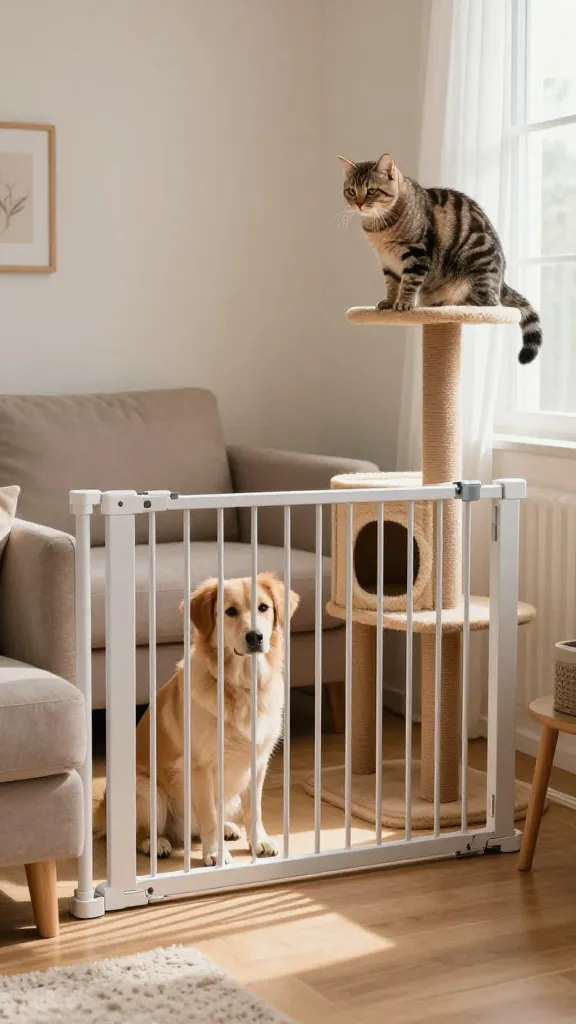
Physical boundaries aren’t cruel; they’re smart. A well-placed barrier can prevent barking fits while you work on training. Think of it as training wheels for your relationship with the cat.
Choose barriers that fit your space: baby gates, crate training for the dog during high-cat-visibility moments, or a high perch for the cat to watch from. The key is making sure both animals feel safe and not trapped.
Practical Setup
- Position gates to create a neutral zone where neither pet feels cornered.
- Use a crate or a separate room for the dog during cat-specific triggers.
- Offer calm reassurance with soft voice cues and familiar toys when barriers are in use.
When used correctly, barriers reduce escalation, making it easier for you to practice training without constant barking interruptions.
4. Train with Low-Stress Desensitization and Counter-Conditioning
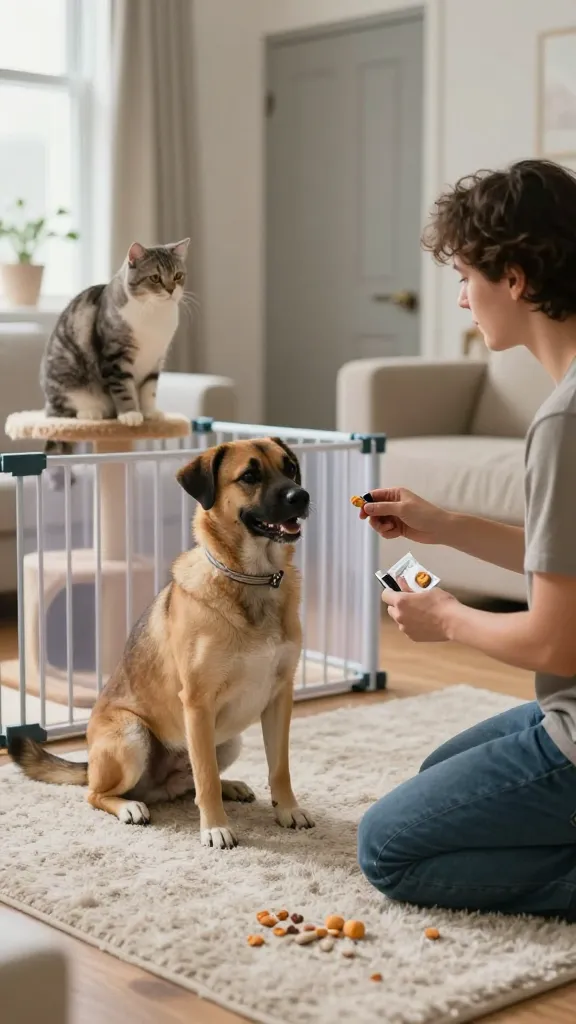
Desensitization means slowly exposing your dog to the cat in tiny, non-threatening bites, while counter-conditioning swaps the barking instinct with a calm, positive response. This is the science-y part, but it’s actually quite friendly in practice.
Start with minimal cat presence—perhaps the cat behind a closed door or behind a screen—while you guide your dog through a calm behavior and reward heavily for staying quiet. Gradually remove the barrier as your dog learns to stay relaxed with increasing cat visibility.
What to Do
- Use a relaxed voice and minimal eye contact during cat exposures.
- Have high-value treats ready and a happy “good dog” cue for quiet moments.
- Keep sessions short and frequent to avoid triggering a barking frenzy.
Result: a dog who doesn’t race the cat to the other side of the house, and a cat who doesn’t feel like it’s living in a haunted house. Trust me, the payoff is worth it.
As you try these ideas, monitor progress and celebrate small wins. Seriously, even tiny moments of calm are big steps forward. IMO, consistency beats intensity every single time, and your furry duo will thank you with more relaxed days and fewer dramatic standoffs.
Want a quick recap? Practice consistent routines, build positive cat-centered associations, set up practical barriers, and use gentle desensitization with counter-conditioning. If you stick with these four approaches, you’ll likely see barking reduce and harmony rise. FYI, the hardest part is starting, but you’ve got this.
Ready to test these out? Your dog and cat will thank you with more naps and fewer dramatic chase scenes. Let’s get them living in happier, quieter cohabitation, one calm moment at a time.