5 Easy Dog Obedience Exercises to Try at Home You’Ll Love
Want a happier pup and way fewer chaotic kitchen-to-bed disputes? These five at-home obedience moves are simple, fun, and surprisingly effective. Grab some treats, a leash, and your best “let’s do this” attitude—you’ll see progress fast.
1. Sit Stay Like a Pro
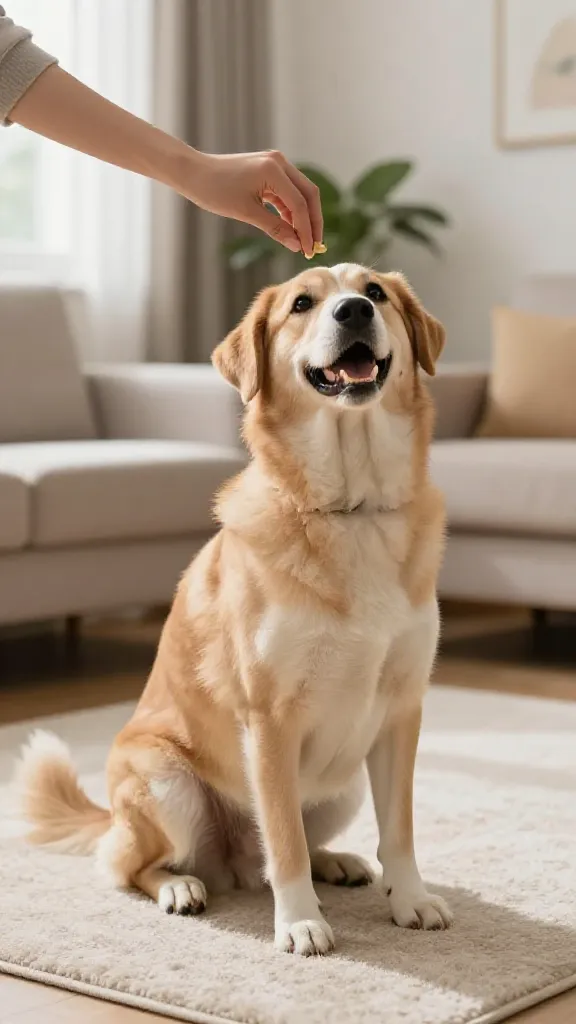
“Sit” is the foundation of most commands, but turning it into a reliable behavior is where the magic happens. This exercise trains focus, impulse control, and easier leashing in public spaces. FYI, consistency is your best friend here.
Why it’s awesome
It creates a calm baseline you can rely on in busy environments. When your dog learns to “sit” and hold, you’ve unlocked a gateway to safer walks and better manners at home.
Quick setup
- Stand in front of your dog with a treat
- Move your hand from nose to tail, saying “Sit” as their hips lower
- Reward with a treat and praise once they’re seated
Repeat in short sessions, gradually increasing the hold time. Benefits show up as less jumping and better attention during meals or doorways.
2. Look at Me—Attention Training
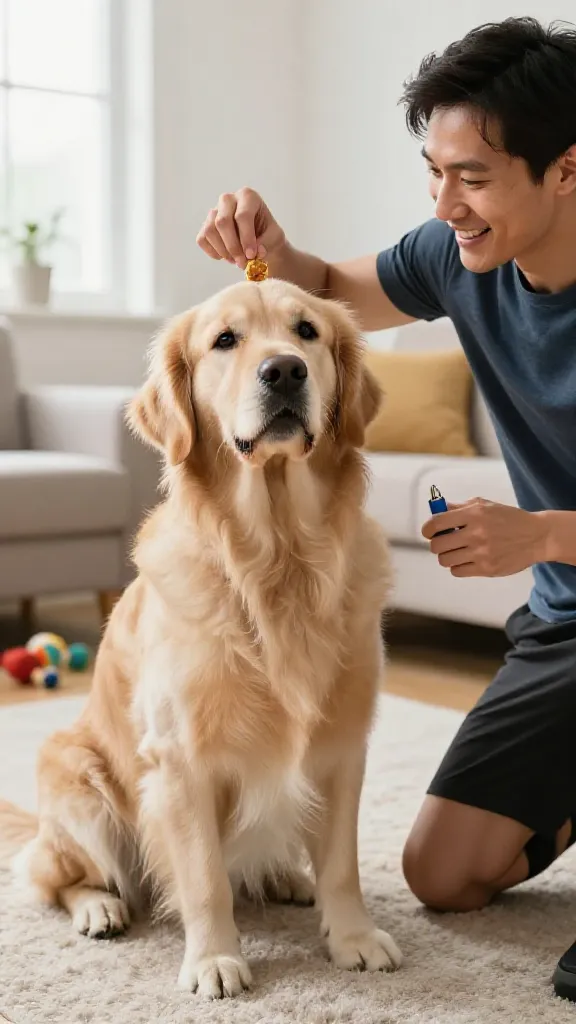
Getting a dog to focus on you is priceless. “Look at Me” turns attention into a reliable cue that reduces distractions and boosts safety. Seriously, it’s like installing a mental spotlight on your face.
Key points
- Use a high-value treat or toy to lure eye contact
- Keep sessions short and positive
- Phase out the treat as attention becomes consistent
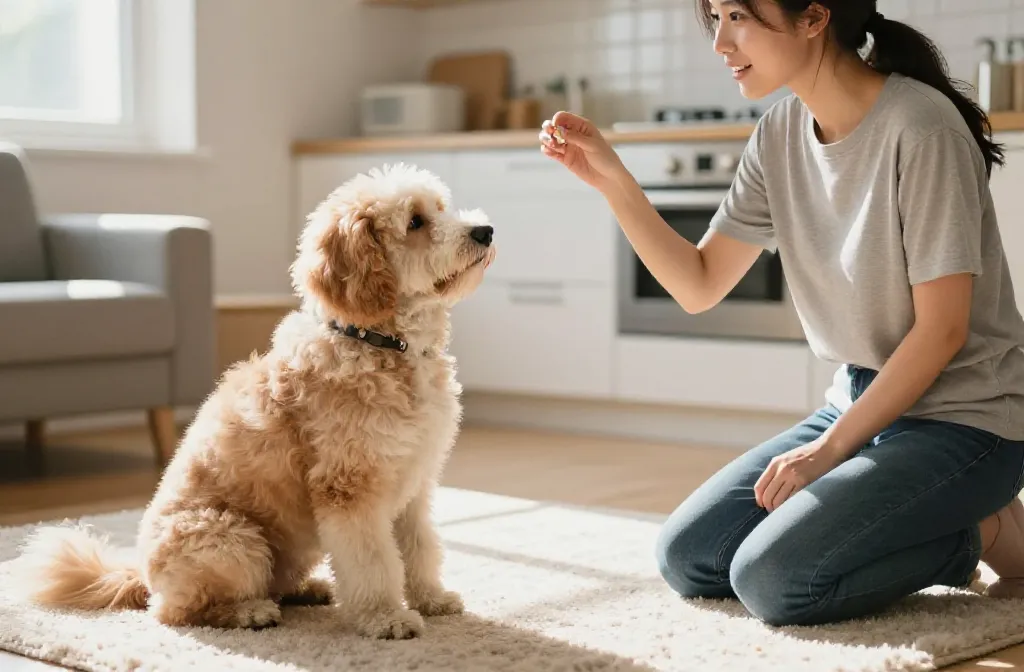
To practice, hold a treat at eye level and say “Look at me.” When your dog makes eye contact, click (or nod) and praise. Soon you’ll be able to regain focus in a busy park with minimal effort.
3. Spin and Twist: Indoors Edition
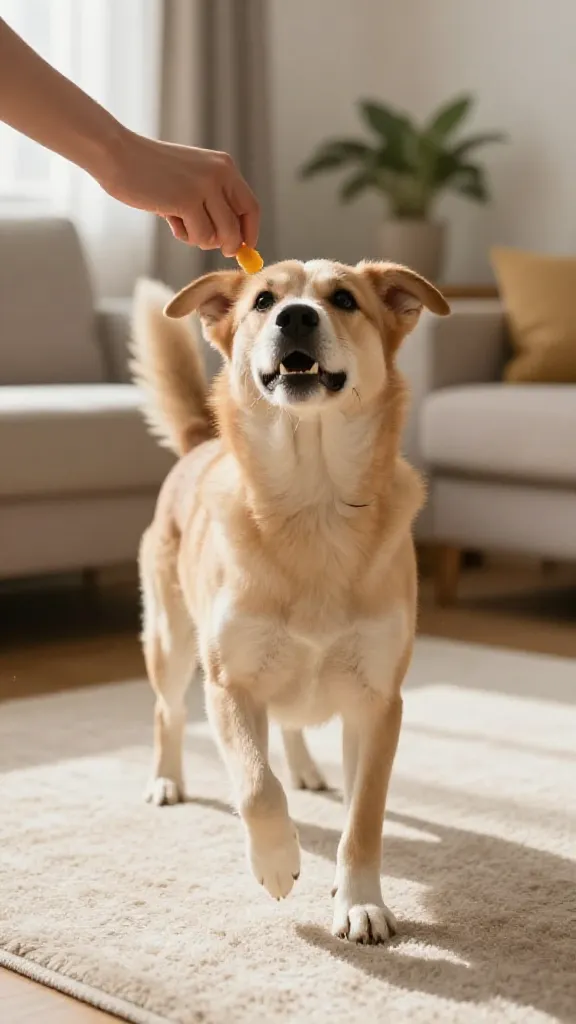
Turns aren’t just fun—they’re great for mental stimulation and obedience consistency. Teaching a controlled spin keeps your pup active and responsive without needing a lot of space. trust me, this one gets a ton of giggles and a lot of tail wags.
What to do
- Hold a treat close to your dog’s nose and move it in a wide circle
- Say “Spin” as they follow the motion
- Reward once they complete a full spin
Gradually reduce the lure, encouraging them to spin on verbal cue alone. Benefits include improved body awareness and better coordination for more complex tricks later on.
4. Touch and Target: The “Target The Paw/Nose” Trick
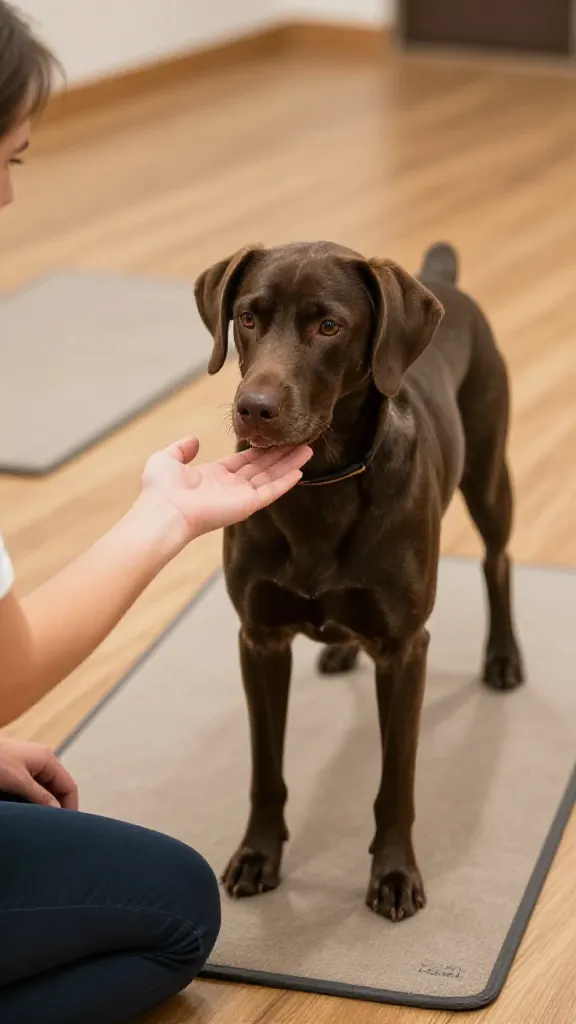
Teaching a target can simplify sessions and open doors to advanced cues. It’s low-stress, highly engaging, and builds confidence. This one is perfect for dogs that crave a little direction and feedback.
Mini guide
- Present your open palm and say “Touch” calmly
- When the nose meets your palm, mark the moment and reward
- Switch to a specific target like a mat or your knee for variety
Use this cue to guide your dog onto a mat for calming moments, or as a stepping stone toward learning “place” and “stay.” It’s practical and cute when guests visit.
5. Gentle Leash Manners: Sit, Then Walk
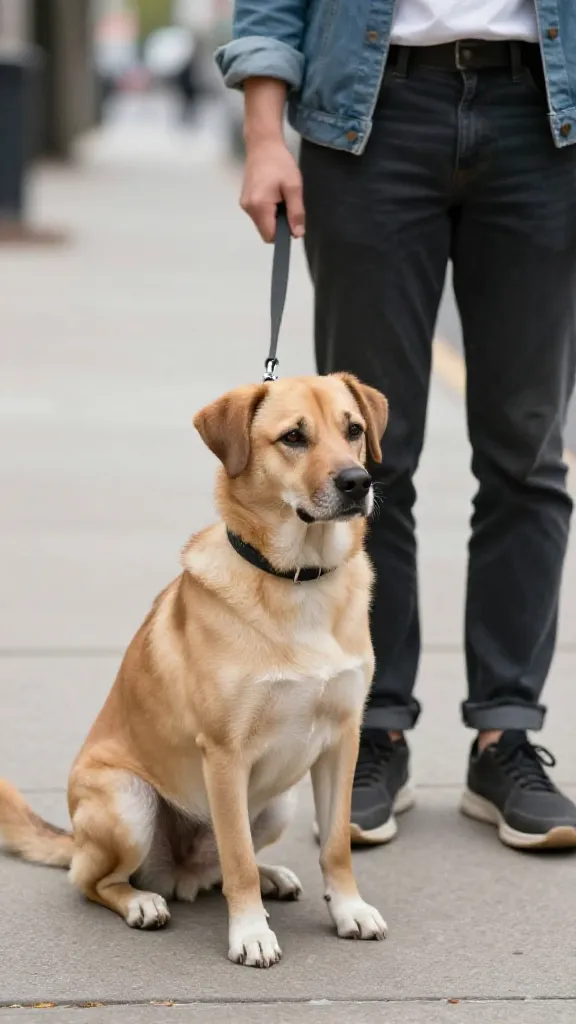
Walking without pulling is a dream many dog owners chase. This exercise teaches controlled movement and polite leash behavior that translates to safer outings and less stress. FYI, consistency is everything here.
How to train
- Start with your dog in a seated position beside you
- Take a few steps, then pause; reward calm behavior
- If they pull, stop and reset to a sit or look-at-me cue before continuing
Work in short, frequent sessions across different rooms or while you’re on a short walk around the block. The payoff is a calmer dog that doesn’t drag you to the next exciting squirrel.
Putting It All Together: A Simple Practice Schedule
These five exercises don’t need to be separate epic sessions. Mix and match for a 15–20 minute routine a few times a week. Here’s a quick template to keep you on track:
- Warm-up: 2 minutes of attention training
- Sit Stay: 3 minutes with short holds
- Look at Me: 3 minutes of eye contact drills
- Spin or Target: 4 minutes of playful repetitions
- Gentle Leash Walk: 3–5 minutes of controlled walking
Mix in treats, praise, and a goofy cheer to keep things light. Trust me, your dog will pick up the rhythm quickly, and you’ll both look forward to these sessions.
These exercises are designed to be approachable, not obsessive. If your pup zones out, switch to a shorter version and retry later. The goal is steady progress, not perfection, and definitely not burnout.
Ready to see real improvements? Start tonight, and watch your dog become a cooperative, confident companion who actually enjoys training time.
Conclusion: You’ve got this. With these five at-home obedience exercises, you’ll build trust, curb chaos, and have a ton of fun along the way. Now go grab those treats and make memories that stick.