7 Crate Training Puppy at Night Tips for Success: Sleep Easy
If you’ve been fighting the night shift with a new puppy, these tips will flip the script. We’re talking practical, do-it-now ideas that reduce midnight chaos and boost everyone’s sleep. FYI, consistency beats luck here.
1. Create a Cozy Command Center

A calm setup makes nighttime crate breaks predictable and less stressful for your puppy. When the space feels safe, they settle faster and stay rested through the night. Seriously, invest a little time in this and you’ll thank yourself at 3 a.m.
Key Elements
- Crate at a sensible height and distance from loud household noise
- Comfy bed or crate mat that hugs their body
- Soft, washable blankets for warmth
Make the crate feel like a den, not a jail. A few familiar items and consistent lighting matter more than you’d expect.
2. Establish a Predictable Evening Routine
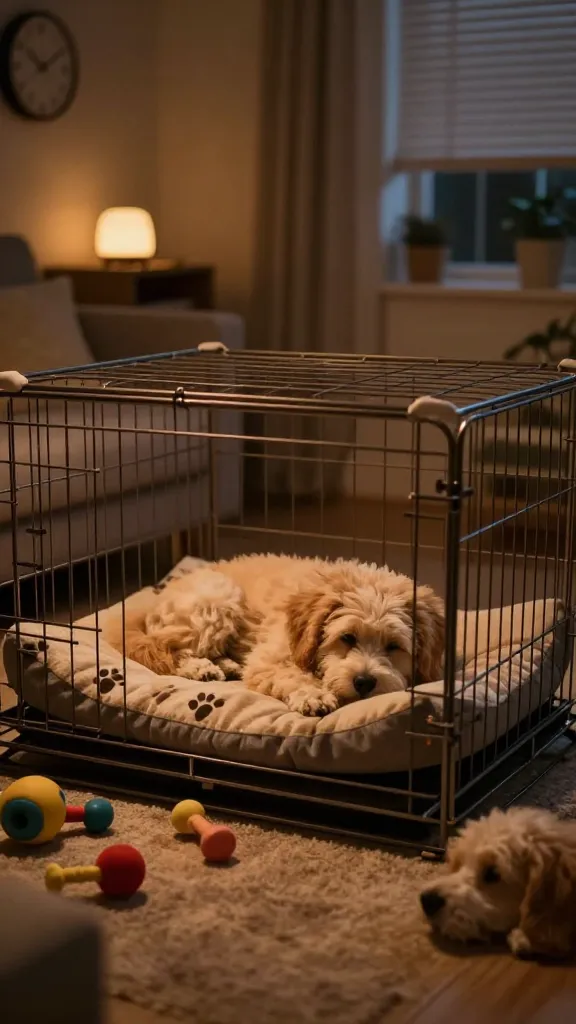
Routines cue your puppy that night-night is coming. When you keep the same steps every evening, their body learns to wind down, which translates to longer stretches of sleep. It’s like clockwork for a fur baby.
What to Include
- Gentle play, then quiet cuddle time
- Last toilet trip right before crate time
- Dim lights and soft sounds (or complete silence) during sleep hours
Consistency is your best friend here. If schedules shift, you’ll feel the wiggle; if they’re steady, they snooze with confidence.
3. Use Gentle Nighttime Pacing

Not every puppy handles a long, silent night well. Short, calm wake-ups help them learn what’s expected without creating anxiety. Trust me, a few quick, quiet checks are better than a full-blown wake-up game.
How to Do It
- Keep lights low and voices soft
- Limit interaction to a reassuring glance or a brief pat to calm nerves
- If they cry, wait a moment before responding to avoid rewarding the behavior
The goal isn’t silence at all costs; it’s teaching them self-soothing during the night.
4. Optimize Nighttime Potty Protocol

Puppies need frequent potty breaks, especially at night. The better you plan this, the smoother the night goes and the sooner your pup learns to hold it. Yes, it’s as practical as it sounds.
Smart Steps
- Take them out as soon as you hear stirrings, before they get excited
- Use a consistent route and a quick, scenic detour to the grass
- Reward with a tiny treat only after they finish outside
Consistency here cuts down on accidental messes and keeps the crate smelling fresh for everyone.
5. Choose the Right Crate Setup and Toys

The crate is not a punishment; it’s a safe refuge. The correct setup plus engaging but calming toys can turn crate time into a positive routine rather than a battle. FYI, the right toy can reduce anxiety and chewing on furniture alike.
Tips for Success
- Opt for a crate size that allows several inches of room to turn comfortably
- Include a chew-safe toy and a puzzle treat to occupy their mind
- Line the bottom with a washable mat or a crate-specific bed that stays put
When the crate is inviting, they’ll be more likely to settle in and drift off rather than resist.
6. Manage Noise and Environmental Triggers

Household noises can wake a pup you’ve just trained to sleep. Reducing triggers helps them stay asleep longer and wake up rested, not rattled. Yes, your neighbor’s dog bark can matter more than you think.
Practical Adjustments
- White noise machine or fan to mask sudden sounds
- Cool, comfortable room temperature (around 65-72°F / 18-22°C)
- Ceiling or window coverings to minimize early morning light
These small changes can be the difference between a crate that’s a sanctuary and one that feels like a dungeon.
7. Monitor Progress and Adapt as Needed

Every puppy is different, so what worked for one may need tweaking for another. Track what helps and what doesn’t, then adapt. It’s not a failure to adjust; it’s a smart plan in action. IMO, consistency with small pivots wins the night.
How to Track
- Keep a simple log of potty times, wake-ups, and sleep duration
- Note any changes in behavior after routine shifts
- Adjust crate location, routine order, or lighting gradually and observe results
Regular tweaks help you stay ahead of potential sleep-sabotaging patterns.
With these seven techniques, you’ll create a nighttime rhythm that’s gentle, predictable, and effective. Trust me, your puppy will thank you with longer naps and fewer midnight protests, and you’ll reclaim your evenings too.