5 First Time Dog Owner Tips You Need to Know: Quick Wins
Congrats on the pup mindset shift! You’re about to enter a whirlwind of wagging tails, muddy paw prints, and endless what-if questions. This quick guide gives you five practical, no-drama tips to get you from overwhelmed to owning your dog with confidence.
1. Set Up a Cozy, Safe Home Base
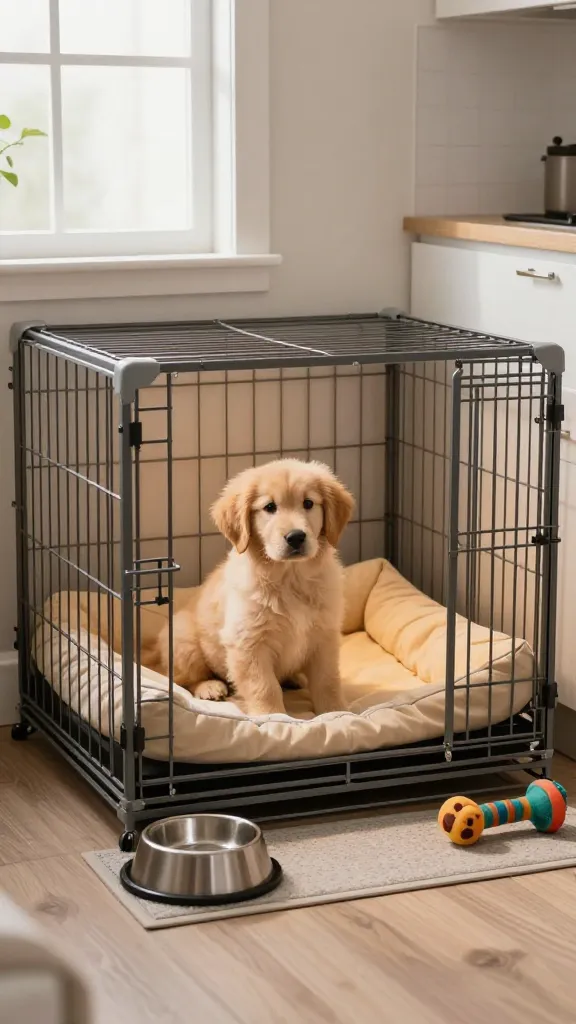
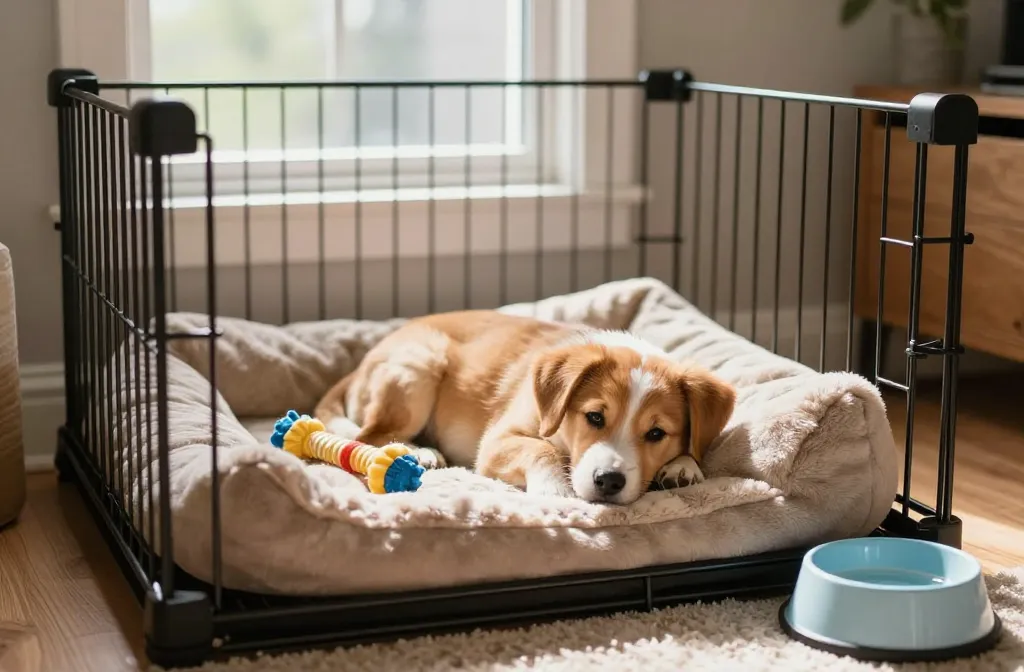
Your dog will judge your home by its crate, bed, and toys within the first 24 hours. Make this space feel like a hotel—soft, calm, and safe. FYI, a well-placed bed isn’t laziness; it’s essential security for puppies and anxious newcomers alike.
Key Elements of a Great Base:
- A comfortable crate or quiet crate alternative
- Water accessible at all times
- A predictable bedding setup (washable, warm, and inviting)
- Low-distraction, safe chew toys
Keep this space away from heavy traffic and loud appliances. The goal is to create a retreat your dog wants to nap in, not flee from. Comfort now means fewer late-night yelps later.
Benefit spotlight: a calm base reduces crate anxiety, encourages good potty habits, and speeds up training. Use this area for naptimes, crate training, and decompressing after big moments—trust me, it pays off in fewer surprises at 2 a.m.
2. Establish a Simple, Consistent Routine
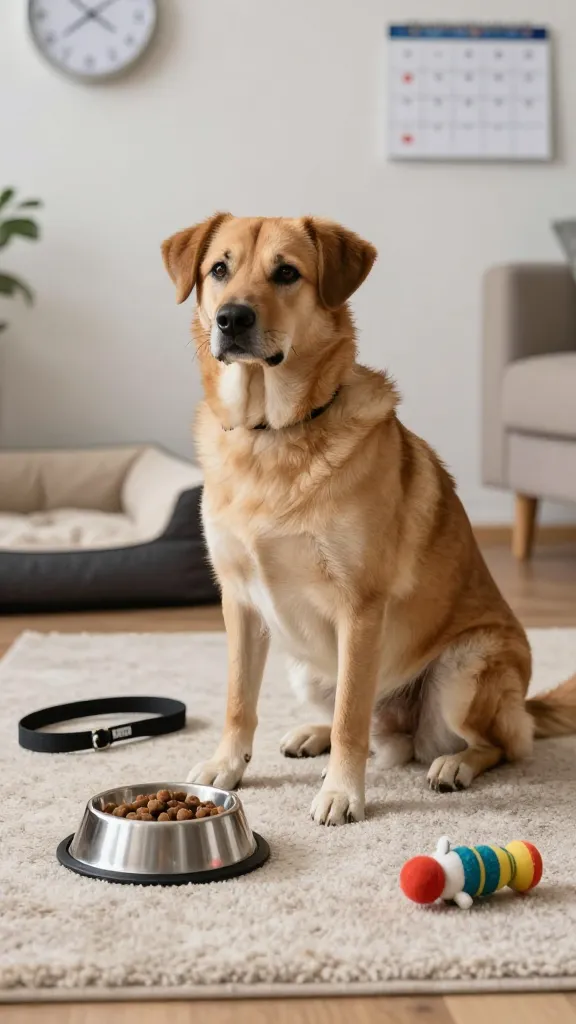
Dogs thrive on routines. Predictable feeding times, walks, play, and potty breaks keep behavior under control and reduce stress for both of you. If you’re already sprinting with a busy schedule, start with three anchor cues—morning, midday, and evening.
Tips for Building Your Schedule:
- Feed at the same times daily to regulate digestion
- Set a walk window (e.g., 7–8 a.m., 6–7 p.m.)
- Use short, frequent play sessions to burn energy
Why this works: consistency equals trust. When your dog knows what comes next, they relax more, listen better, and misbehave less. IMOsuper important for puppies getting through teething or new environments.
Early wins compound fast. If you miss a time, don’t punish—adjust and move on. Your dog forgives you quicker than you think, especially after a cuddle and a snack.
3. Nail the Potty Training Without Drama
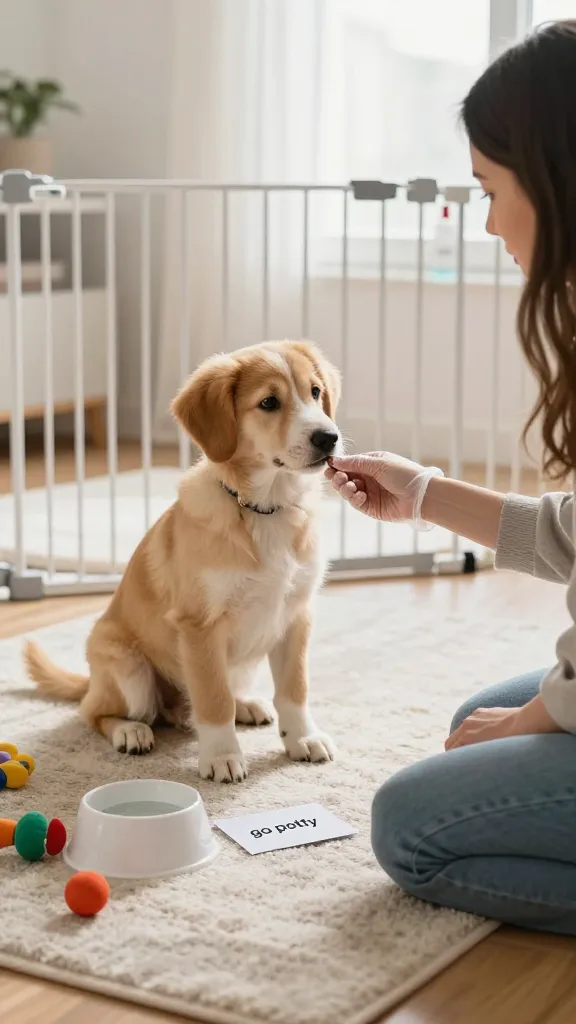
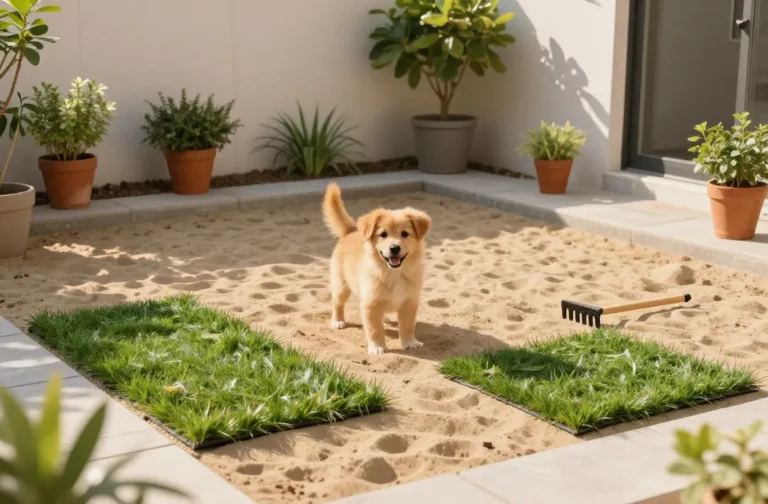
<pPotty training can feel like chasing a moving target, but it’s all about timing, supervision, and a steady reward system. Start with frequent outdoor breaks and reward heavily for success. If you see signs indoors, redirect to the door and try again.
Structured Approach:
- Take your pup out after meals, naps, and playtime
- Use a clear cue like “go potty” and reward instantly
- Supervise closely indoors or use baby gates to limit roaming
Celebrate every potty win with a tasty treat and lots of praise. It sounds silly, but positive reinforcement makes a lasting impression. And yes, accidents happen—clean calmly with enzymatic cleaners to erase scent reminders.
Bonus tip: a consistent routine reduces confusion, so your dog learns faster where to go and when to go. You’ll save yourself from late-night carpet ballet and escalating laundry costs.
4. Master Gentle Leash Training and Socialization
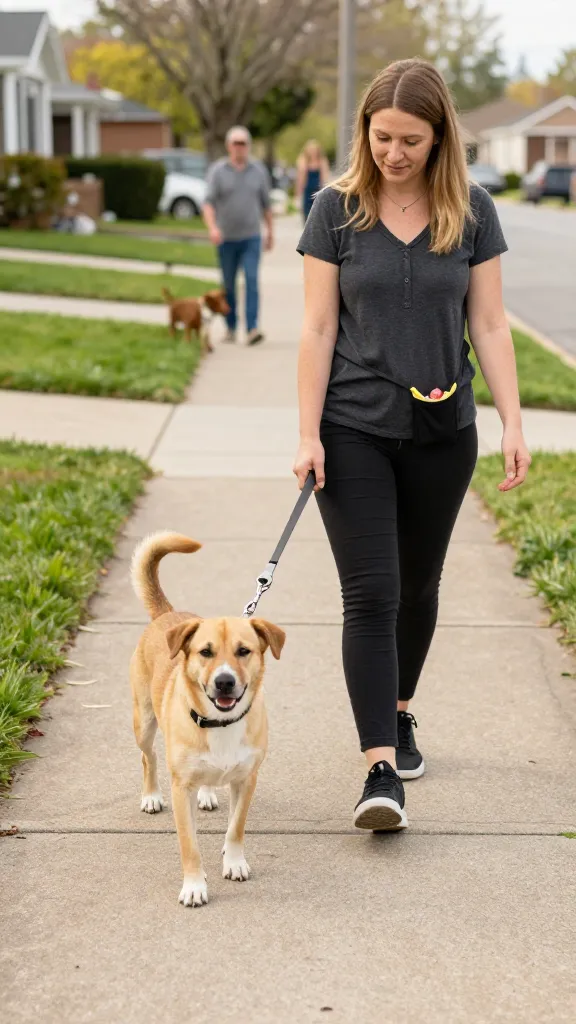
<pLeash manners set the tone for every walk, outing, and vet visit. Start slow with a harness or collar your dog tolerates, and introduce them to new sights, sounds, and friendly faces in short, positive sessions. Trust me—early socialization pays dividends for the rest of their life.
Beginner-Friendly Steps:
- Short, frequent leash walks around the block
- Positive associations with people and other dogs
- Gentle corrections only when necessary; never harsh punishment
Active practice beats passive exposure. If your neighborhood has lots of dogs, arrange low-key meetups with calm dogs to model good behavior. This reduces fear and overexcited reactions later on. And yes, bring treats—the quickest way to earn your pup’s attention is with a tasty bribe—er, reward.
When to worry: if your dog shows persistent fear or reactivity, consider a professional trainer or a puppy socialization class. You’ll accelerate progress and gain confidence faster than you expect.
5. Invest in Mental Stimulation Over Excessive Treats
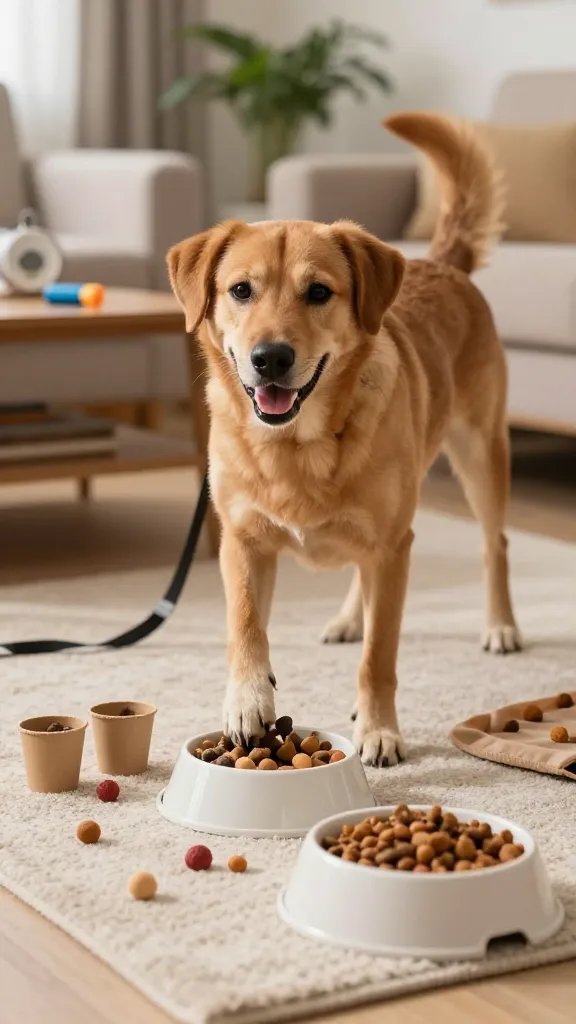
<pDogs are problem-solvers. Boredom equals mischief, so mix enrichment into daily life with puzzles, scent games, and rotating toys. This keeps minds busy and reduces destructive behavior while you’re learning the ropes.
Smart Enrichment Ideas:
- Food-dishing puzzles to slow eating and challenge the brain
- Interactive toys that dispense treats with effort
- DIY scent games: hide treats around a safe area for sniff-and-find
FYI, enrichment isn’t just playtime—it’s training disguised as fun. It builds focus, reduces anxiety, and turns your dog into a confident explorer. Use short sessions throughout the day for maximum impact and minimal frustration.
Bottom line: fulfillment equals calm, which means fewer chaotic evenings and more cuddles. Apply enrichment during crate time, on rainy days, and after long exposure to new environments. You’ll notice the vibe shift in days, not weeks.
Conclusion: You’re armed with practical steps that keep you and your dog moving in the right direction. These five tips aren’t magic fixes, but they build a durable foundation for trust, safety, and joy. Now grab a leash, a treat pouch, and your best friend—the best dog-parent era starts now.