7 Corgi Puppy Training Tips for New Owners That Actually Work
Corgi puppies are tiny little fuzzballs with big personalities. These seven tips will get you through the chaotic, adorable early days without losing your mind—or your couch. Read on, and let’s turn that fluffy chaos into well-behaved wagging joy.
1. Start Socialization Early, But Smart

Socialization is the secret sauce for a confident corgi. Start now, not later, but do it with intention. You want stress-free exposures that build trust, not overwhelm your pup.
Key Points:
- Expose to friendly people, gentle dogs, and varied environments
- Keep sessions short and positive
- Use treats and praise to reinforce calm behavior
Short, positive experiences create a fearless puppy who’s excited to explore. FYI, consistency beats intensity, so sprinkle these sessions through the day rather than cramming them all at once.
2. Establish a Routine That Works For Real Life
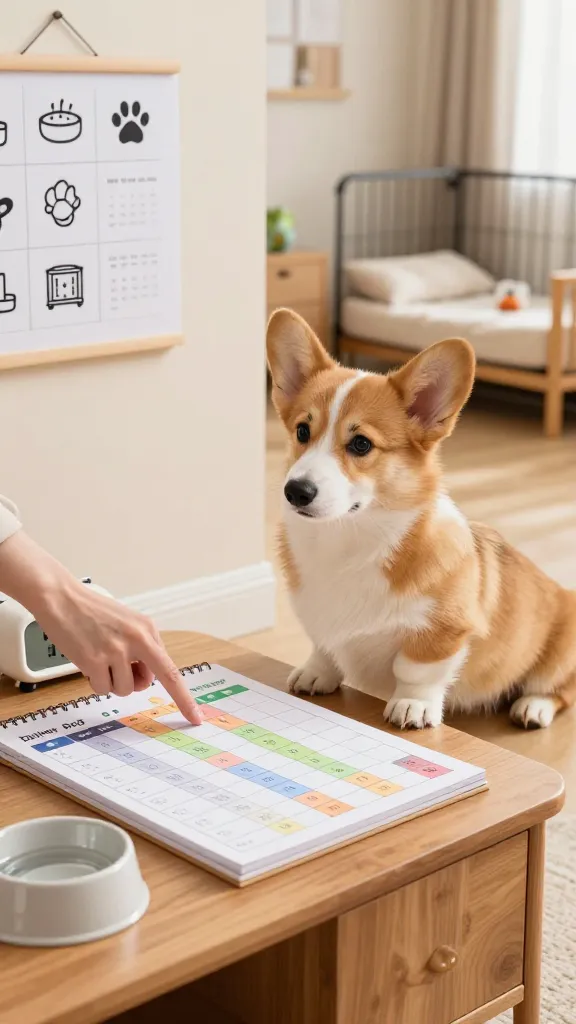
Corgis thrive on predictability. A solid routine reduces accidents, barking fits, and your own stress levels. Build a daily rhythm that fits your schedule, not the other way around.
Tips:
- Set regular feeding, potty, play, and crate times
- Use a visual schedule or a simple alarm reminder
- Give overflow potty breaks after meals and naps
What you gain is reliability: a dog that knows what’s coming next and a human who isn’t always chasing their tail. Seriously, it pays off in fewer surprises and more calm evenings.
3. Crate Training Without the Guilt
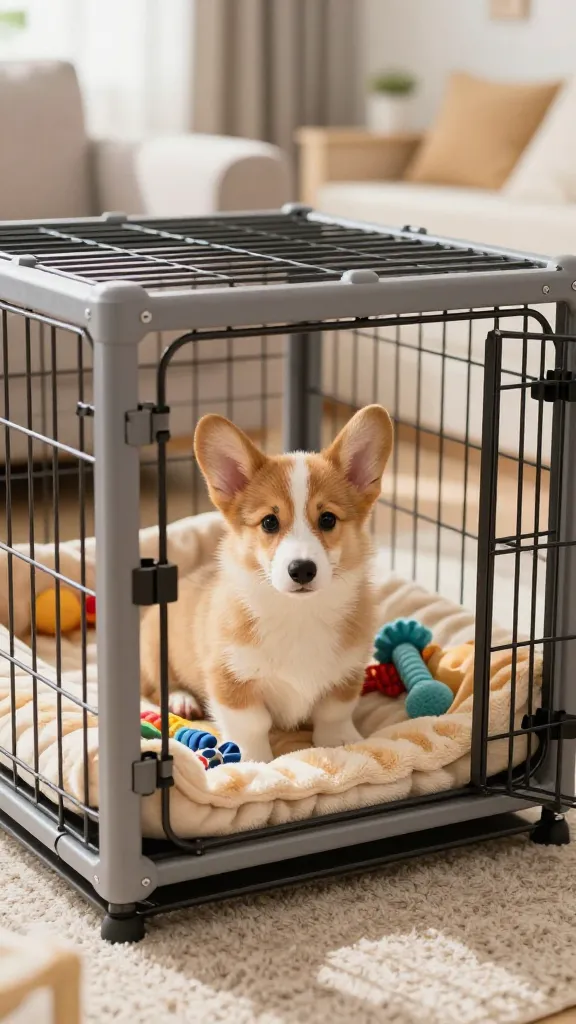
A crate is a cozy den, not a prison. Proper crate training gives your corgi a safe retreat and helps with housebreaking and travel. Make the crate inviting and comfortable.
Practical Steps:
- Introduce the crate with positive associations (treats, toys, praise)
- Keep initial sessions short and gradually extend time
- Place the crate in a social area for family bonding
Use the crate for short, calm periods when you need a break. It’s a lifesaver for everyone involved and makes travel a breeze later on.
4. Create a Gentle Leash Training Plan

Leash manners save walks from turning into a tug-of-war battle. Corgis are sturdy pullers by nature, so start with a calm, controlled approach.
Approach:
- Choose a lightweight harness to reduce strain
- Practice in low-distraction rooms before venturing outside
- Reward loose-leash walking with tasty treats
Keep sessions short and upbeat. Trust me, a dog that trots happily beside you makes every stroll feel like a victory lap.
5. Boundaries and Play: Balance is Key
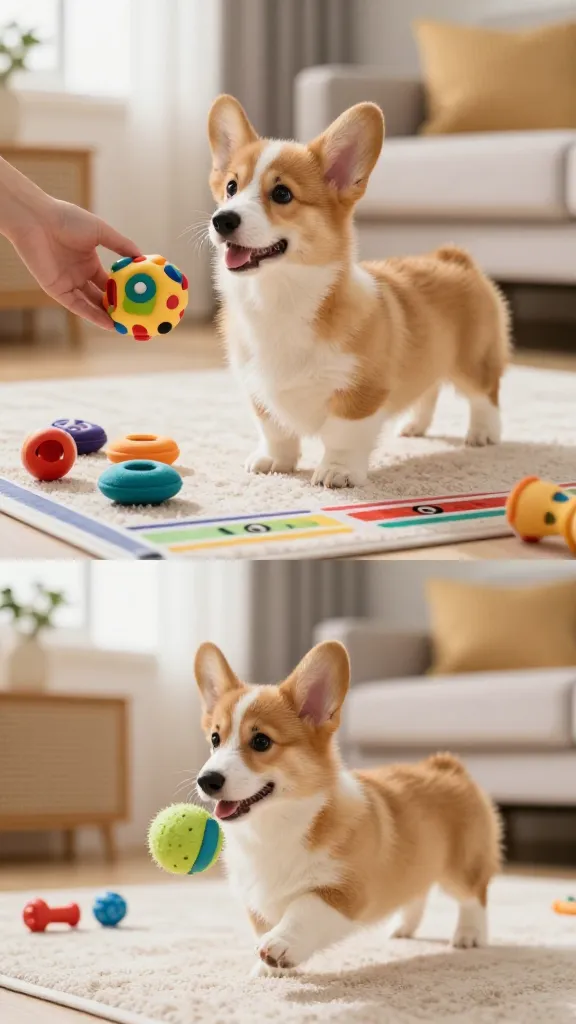
Boundaries teach your corgi what’s allowed and what’s not, while play keeps that mind sharp and heart full of joy. Mix structure with lots of fun to prevent frustration.
What to Do:
- Set clear “no” zones and redirect with a toy
- Offer puzzle toys to satisfy problem-solving instincts
- Use short, high-energy play bursts to burn off steam
Benefits? Better impulse control, fewer chewed slippers, and a happier pup who knows you’re the boss (in a friendly way, of course). IMO, balance is everything here.
6. Nail Everyday Manners: Sit, Stay, Come, Repeat
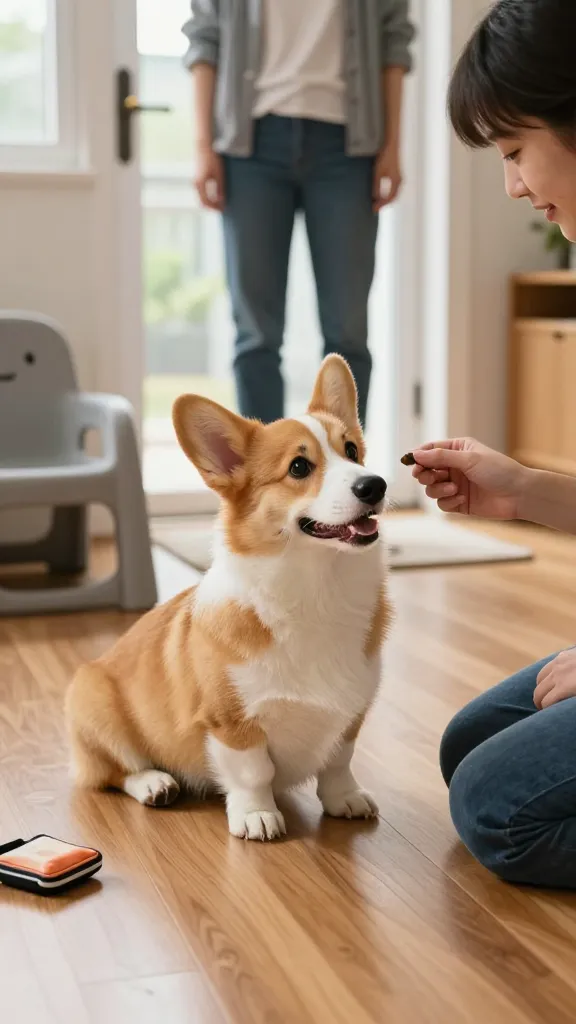
Basic cues are your best friends. A well-taught set of commands keeps your corgi safe and makes life easier for everyone involved. Consistent practice turns training into a natural habit.
Quick-Start Cues:
- Sit for greetings and before meals
- Stay during transitions or door openings
- Come when called, with a reward
Practice in short bursts, right after meals or play. The goal: these cues feel automatic so you can rely on them in real-world situations. Seriously, consistency compounds quickly, and your dog will thank you with a wag.
7. Health Checks, Grooming, and Gentle Care
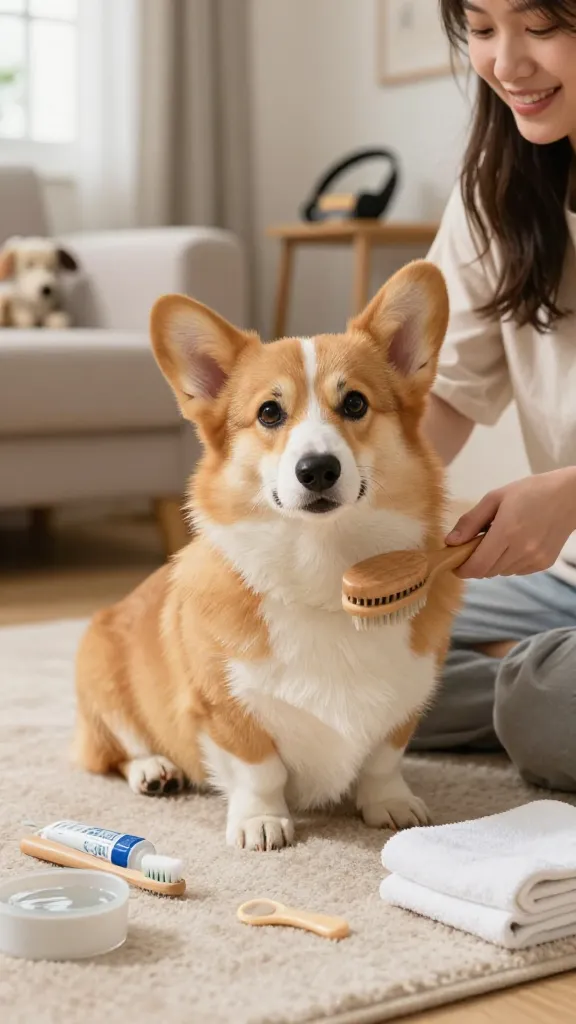
Healthy dogs train better, sleep better, and are just more enjoyable to be around. A little ongoing grooming and health checks go a long way with a fluffy buddy like a corgi.
Simple Routines:
- Weekly brushing to manage shedding and skin health
- Regular teeth brushing and ear checks
- Brief nail trims and paw inspections after walks
Incorporate grooming into your bond time. It reduces stress, improves hygiene, and keeps you in the loop about any changes in their coat or skin. Trust me, a healthy corgi is a confident corgi.
Ready to dive in? These seven steps are your starter kit for a well-adjusted, happily wagging corgi puppy. By staying consistent and keeping things fun, you’ll see progress faster than you think—and you’ll create a bond that lasts a lifetime.