5 Indoor Cat Feeding Time Tips for a Healthy Routine
If your cat acts like a tiny, judgmental chef at mealtime, you’re not alone. These tips keep paws off the chaos and ears tuned to the purr of consistency. Let’s make feeding time calm, tasty, and routine-friendly for both of you.
1. Set a Predictable Schedule That Feeds Confidence
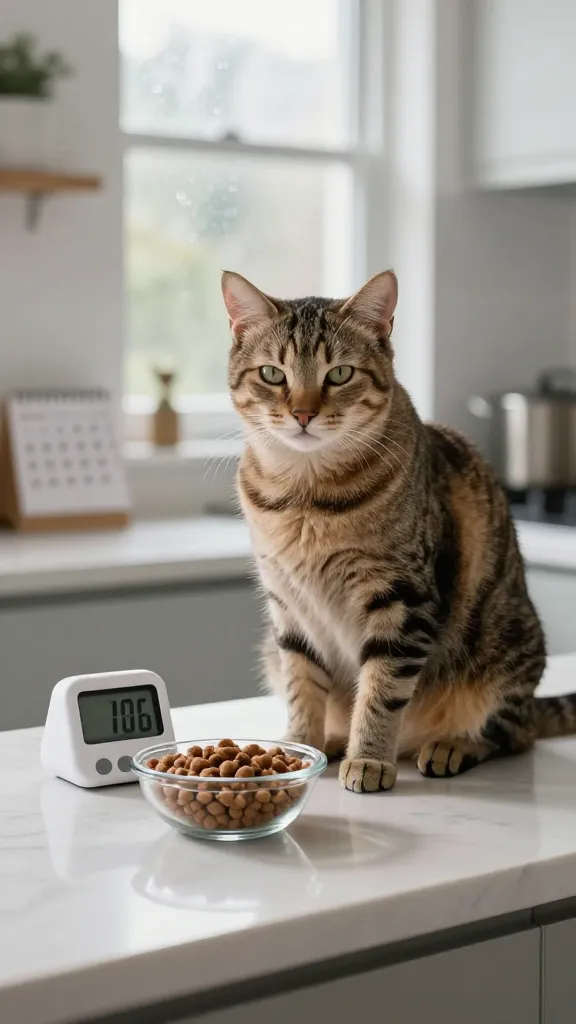
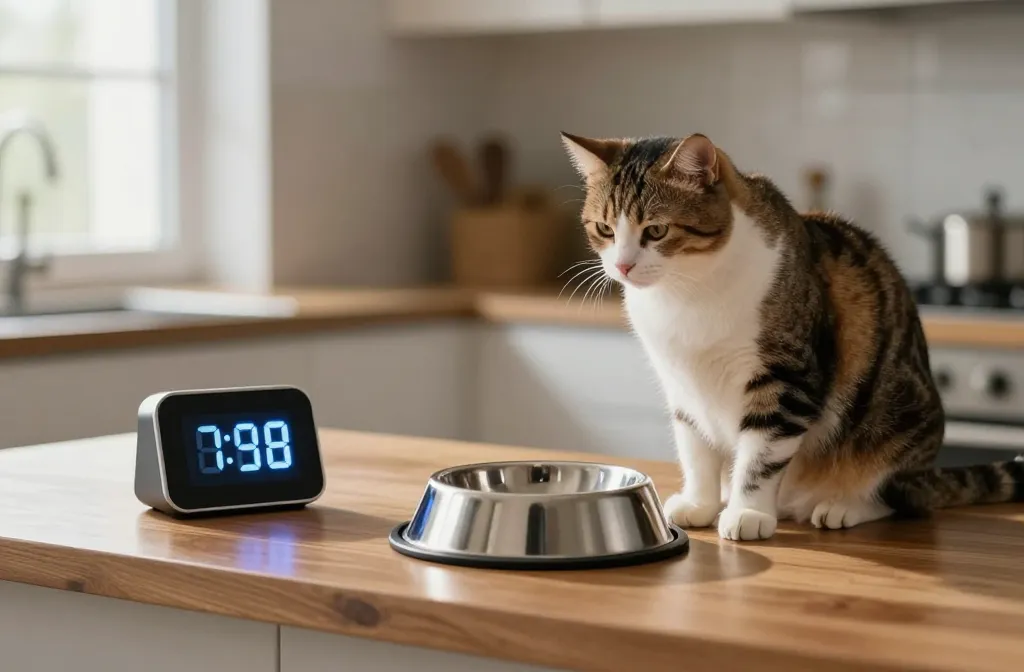
Cats thrive on routine, and a steady schedule eliminates morning chaos and late-night meows. When you feed at the same times, your kitty learns what to expect and settles down between meals.
Why it works
- Reduces begging and sprinting around the kitchen
- Improves digestion by avoiding irregular gaps between meals
- Makes litter box and behavior patterns easier to predict
Key points: pick 2–3 balanced meals per day and stick to them. FYI, consistency beats short-term chaos every time. If you must adjust, do it gradually over a week to avoid a dramatic diva meltdown.
2. Choose a High-Quality, Species-Appropriate Diet
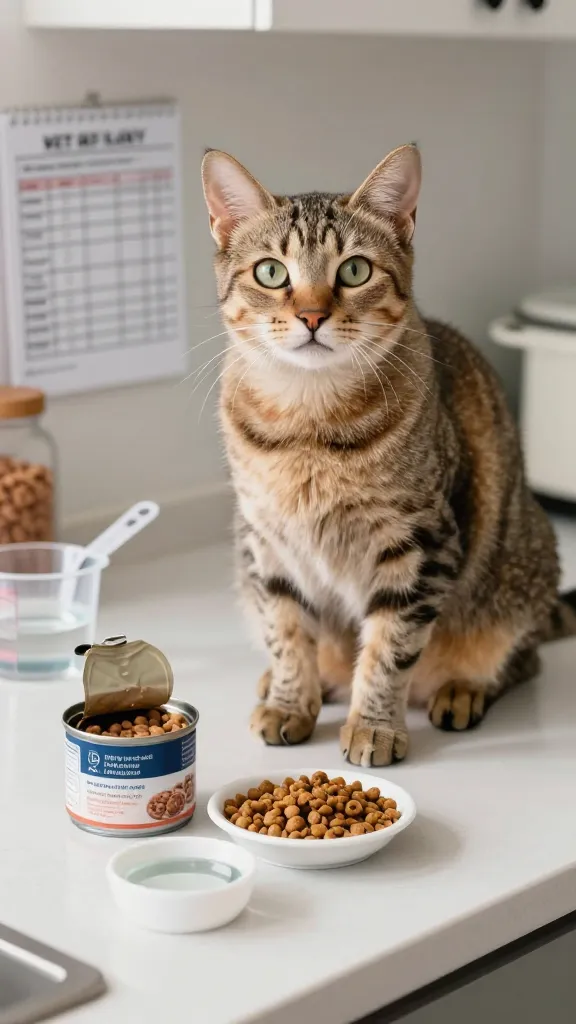
Your cat isn’t tiny by accident; they’re a carnivorous maestro who deserves real food energy. Great nutrition equals shiny coats, steady energy, and fewer tummy troubles.
What to consider
- Protein first, minimal fillers
- Moisture content supports hydration
- Avoid sudden diet shifts to prevent GI upset
Tip: talk to your vet about portions and a feeding plan tailored to age, weight, and activity. Trust me, a science-backed approach beats guesswork. If you feed canned food, pair with a bit of dry for dental benefits—but don’t overdo the crunchies.
3. Create a Calm Feeding Zone (No Peekaboo Guests)
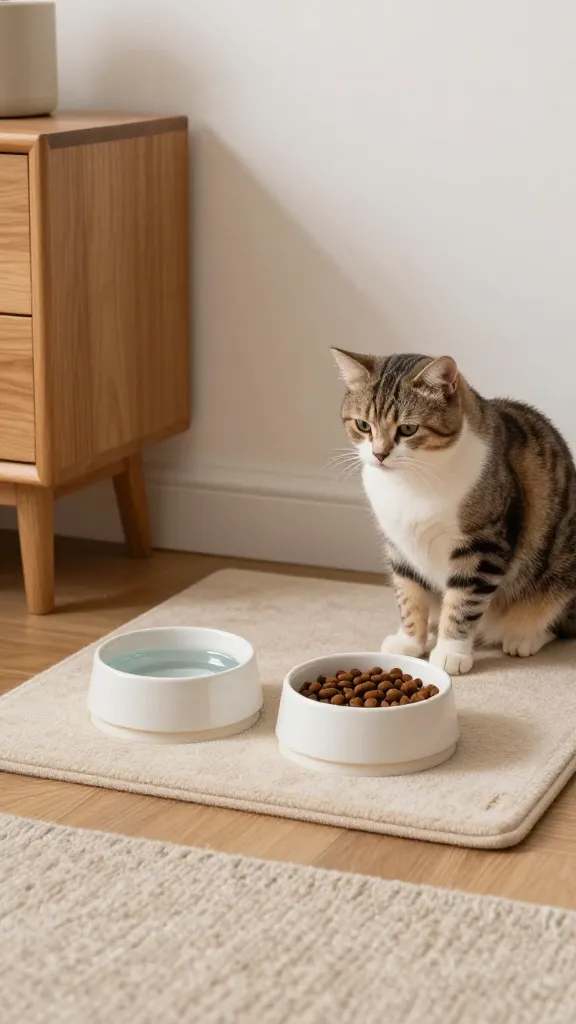
Ever notice how a dramatic dining room can trigger a dramatic dining behavior? A quiet, dedicated space helps your cat focus on the meal and you on the tail-wagging success of your plan.
Smart setup ideas
- Place bowls in a low-traffic corner
- Use a non-slip mat to keep bowls steady
- Keep the area free of noisy appliances during mealtime
Benefits are simple: fewer distractions means faster eating, cleaner bowls, and less appetite-driven furniture stalking. When to use: every feeding, especially with multi-pet households or especially curious kitties. Seriously, your cat will thank you with fewer paw-based interviews during post-meal naps.
4. Optimize Portion Control Without Turning Mealtime Into Math Class
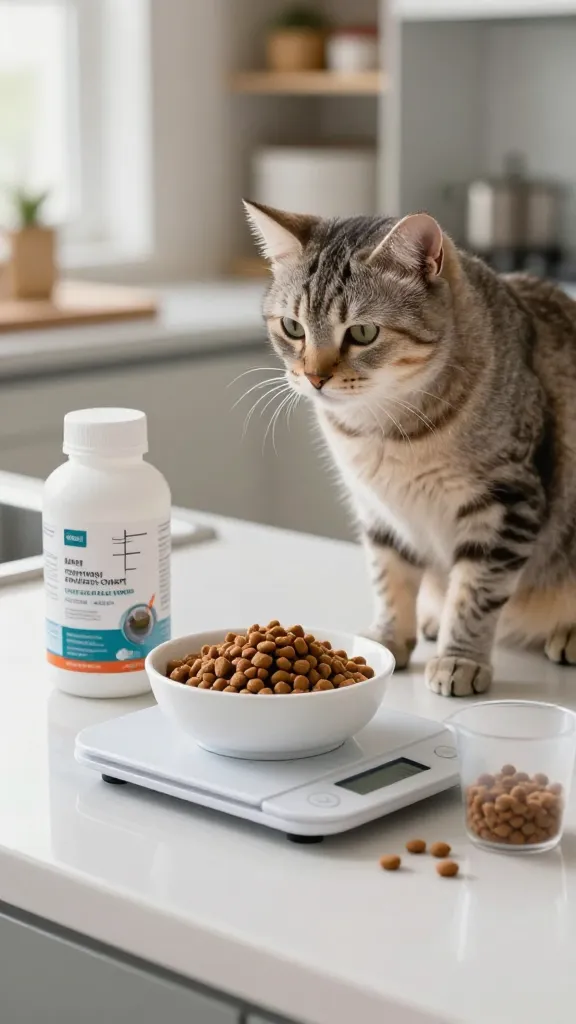
Portion control is the secret weapon for weight maintenance and long-term health. It’s not about starving your cat; it’s about giving the right amount so every bite counts.
Guidelines that help
- Follow labeling guidelines and vet recommendations
- Measure portions with a digital scale or measuring cup
- Adjust gradually if your cat gains or loses weight
Takeaway: accurate portions prevent leftovers that attract pests and reduce waste. If your cat finishes early and seems hungry, consider a small, healthy snack or a tiny meal later in the day rather than overfeeding in one go. IMO, consistency beats “just a little more” every time.
5. Make Mealtime Interactive (Without Turning It Into a Job)
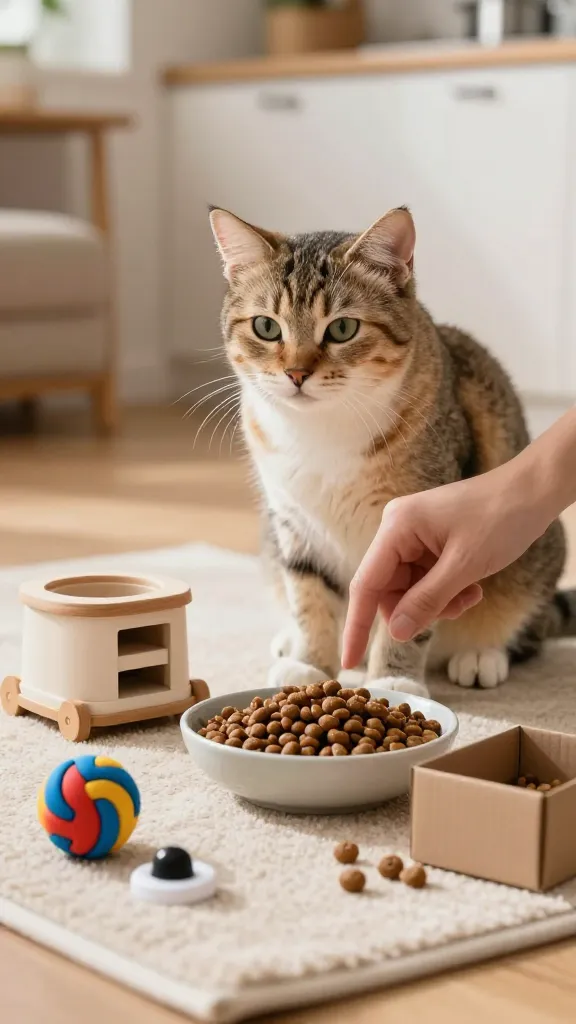
Engaging your cat during meals can be fun and mentally stimulating. A few playful twists turn routine feeding into enrichment rather than a chore.
Simple enrichment ideas
- Puzzle feeders or treat-dispensing toys
- Hidden kibble in a cardboard box or paper towel tube
- Short training sessions using clicker training to encourage calm waiting
Benefits include: better mental engagement, slower eating to prevent gulping, and more bonding time with your furry boss. FYI, enrichment should enhance feeding, not replace balanced meals. Use it a few times a week to keep things fresh and exciting.
Ready to try these ideas? Start with a plan, then tweak based on your cat’s mood and preferences. You’ve got this—your kitty’s purr will sound like a victory anthem.