5 Siberian Husky Training Tips for Better Behavior Unleashed
Ready to tame the zoomies and embrace calmer, happier huskies? These five tips cut through the chaos with practical, friendly guidance. Let’s get your pup acting like the goodest boy (and girl) on the block.
1. Nail a Consistent Routine That Feels Like Nirvana
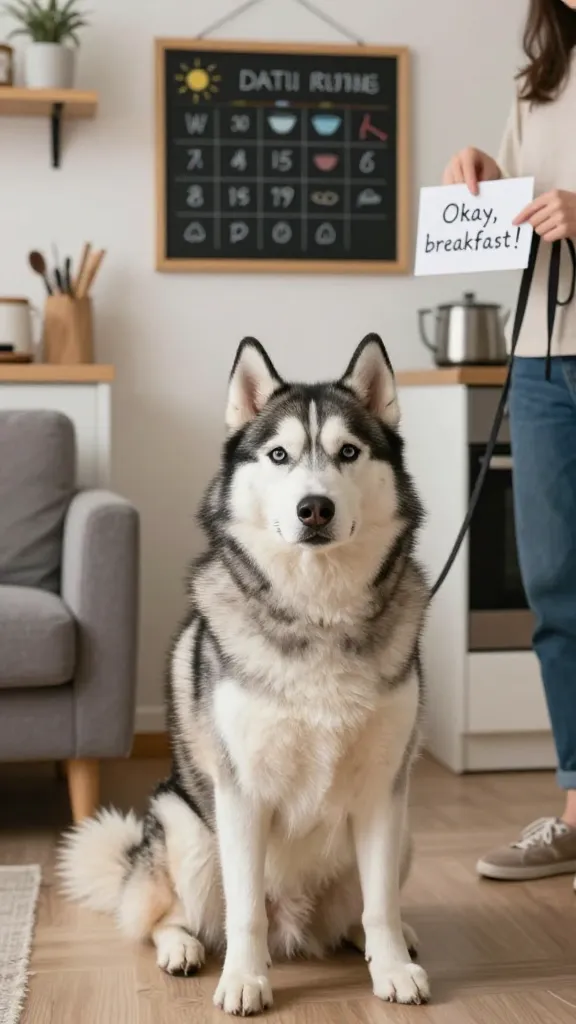
Consistency is the magic sauce for Siberians. They crave structure, and a reliable schedule reduces anxiety and mischief. When you trap the chaos in a neat daily rhythm, you’ll see fewer surprises—trust me.
Key Points
- Set fixed wake, meal, and walk times
- Use a predictable cue for transitions (e.g., “Okay, breakfast!”)
- Keep exercise blocks realistic to avoid overarousal
Short, regular sessions beat long, sporadic efforts. A calm, predictable day = a calmer dog. FYI, your neighbor’s cat might still test limits, but you’ll handle it like a pro.
2. Channel Their Energy with Intentional Exercise
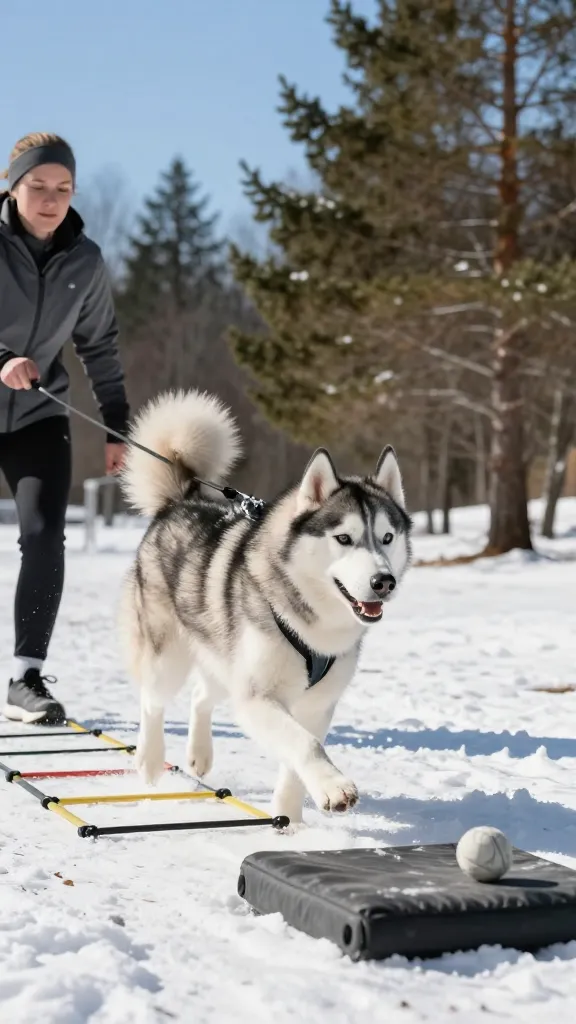
Siberian Huskies are high-energy athletes in fluffy bodies. Without an outlet, they’ll invent their own chaotic games. Direct energy into structured activities, and you’ll unlock cooperative behavior and fewer backyard escapades.
What to Do
- Brisk walks plus brisk play sessions
- Structured fetch or tug-o-war with rules
- Scent work or agility ladders for mental stimulation
Mix cardio with brain games. A tired husky is a good husky—imagine that. Seriously, your leash skills will thank you, and so will your sofa cushions.
3. Teach Clear Boundaries with Positive Reinforcement
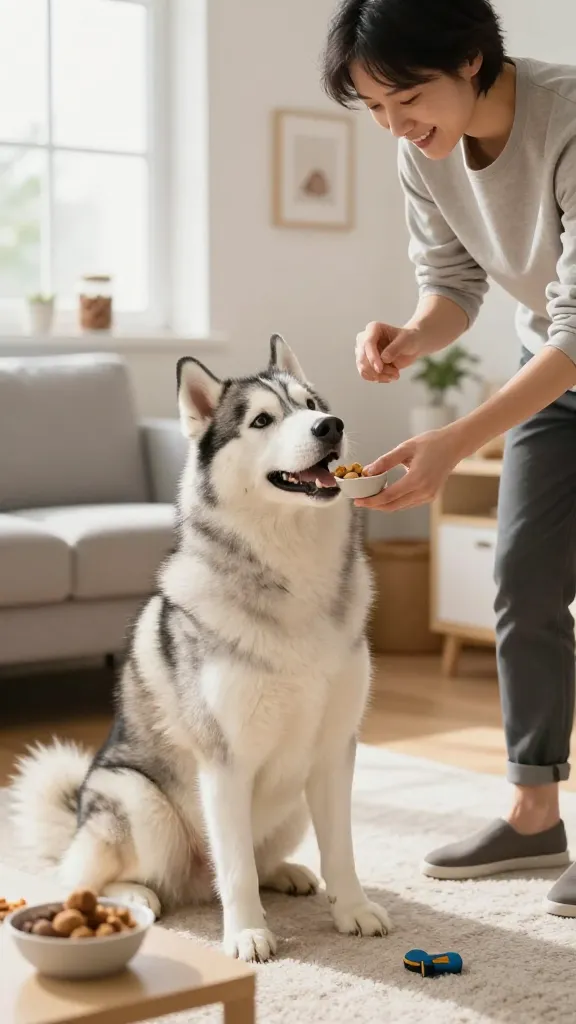
Boundaries aren’t punitive; they’re protective. Huskies respond well to praise and rewards when they choose the right behavior. Positive reinforcement helps them learn what you expect without turning training into a tug-of-war.
Simple Framework
- Reward desired behavior immediately
- Ignore or redirect unwanted actions calmly
- Keep training sessions short and frequent
Use tasty treats, happy voices, and a confident, calm stance. If your pup seats nicely for a treat, celebrate that moment—even if it’s tiny. This builds a trust bridge you’ll rely on every day.
4. Socialize Gently but Boldly
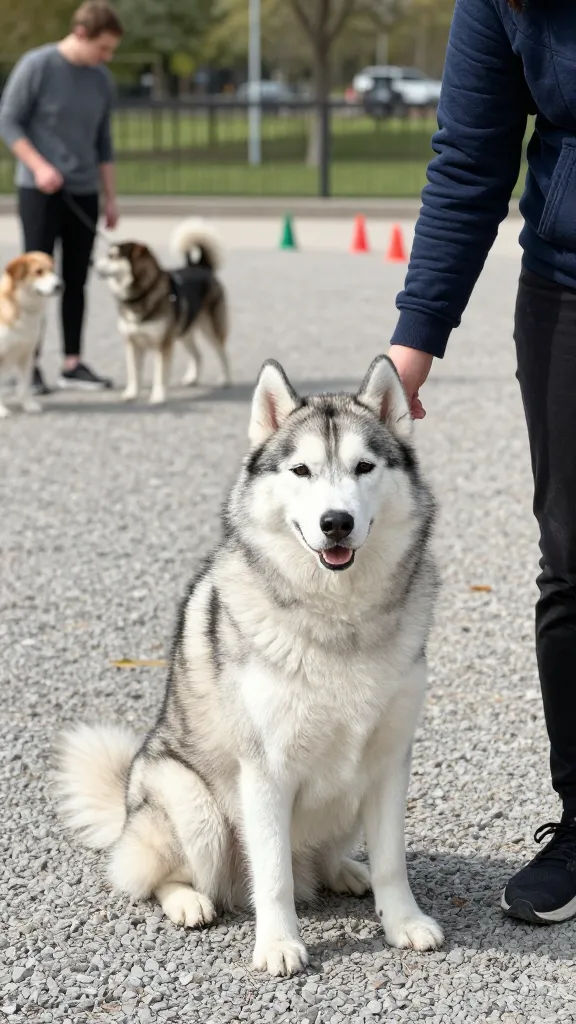
Socialization isn’t a one-time event; it’s ongoing exposure under controlled conditions. Huskies can be wary or reactive if not guided properly, so deliberate socialization helps them read other dogs, people, and new environments without fear or aggression.
Tips to Try
- Short, positive experiences with strangers and dogs
- Controlled visits to quiet parks or training classes
- Gradual exposure to new surfaces, sounds, and smells
Always end sessions on a positive note. If your husky looks overwhelmed, pause and go back a step. You’re building confidence, not power struggles.
5. Build Incredible Impulse Control for Real-World Wins
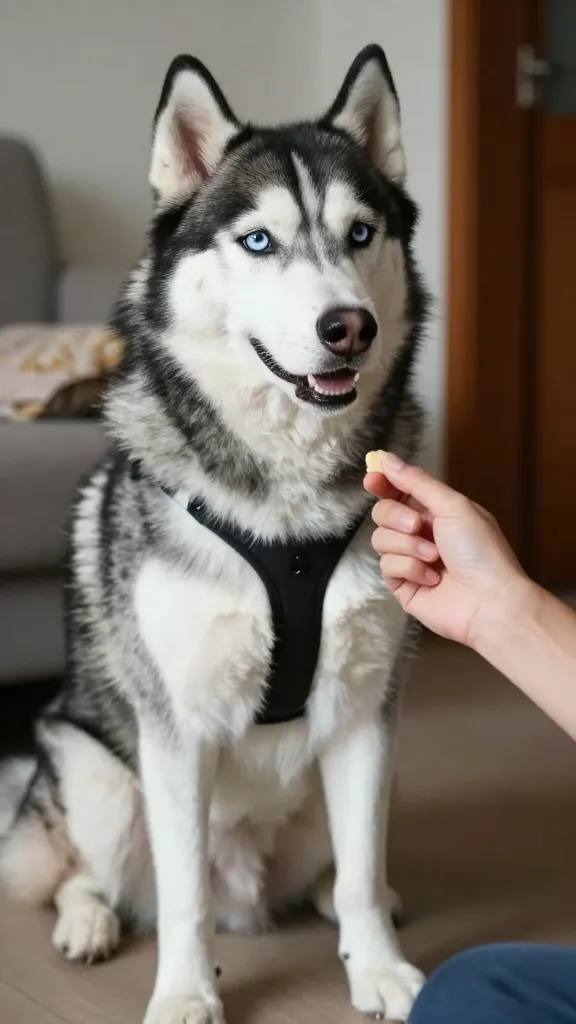
Impulse control is the secret sauce that makes behavior stick in real life. It helps with door manners, greeting guests, and not bolting for the street when a ball rolls by. It’s a skill you can train in tiny, repeatable moments.
Practical Steps
- Practice “watch me” and “leave it” with escalating distractions
- Use a front-attachment leash or harness for better control
- Reward gradual stillness and calm pauses
These micro-moments compound into reliable behavior. When your husky chooses you over chaos, you’ll feel like a training genius. Trust me, it’s worth the effort when visitors stay through the happy greeting instead of a sprint to freedom.
As you apply these five tips, you’ll notice fewer power struggles and more cooperative moments. Your Siberian will shine in both manners and mood, and you’ll enjoy the ride more than the result. FYI, progress isn’t linear, but consistency pays off big time.
Ready to test these ideas this week? Grab a treat pouch, set a schedule, and start turning everyday moments into training wins. You’ve got this, and your husky will thank you with wagging tails and confident strides.