6 Husky Puppy Training Tips for New Owners
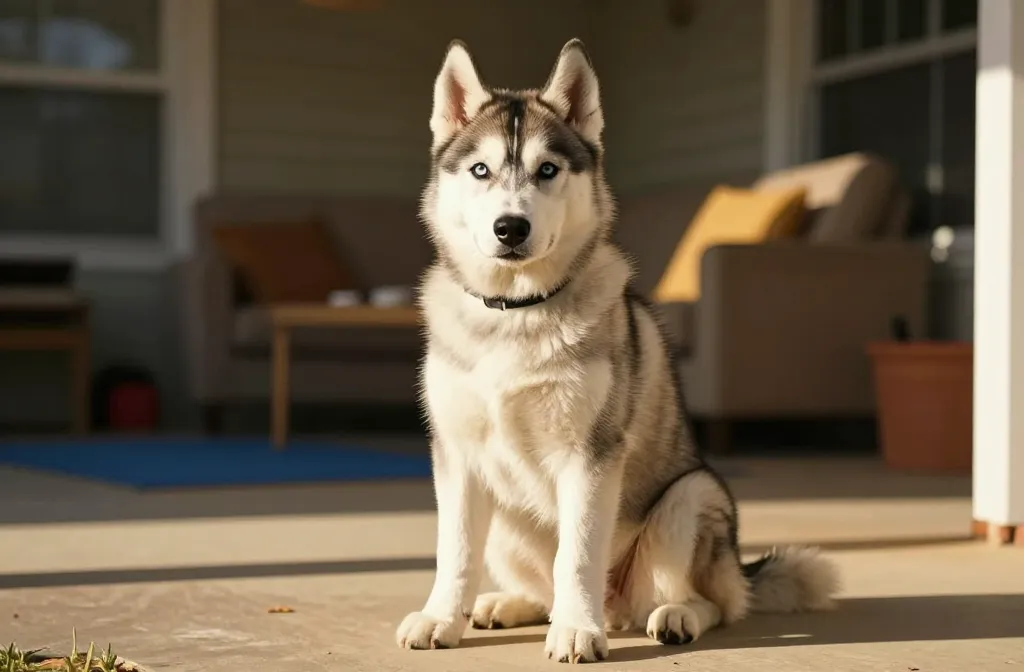
Congrats on bringing home a fluffy powerhouse—Huskies are amazing, but they test your sanity in the best way. These 6 tips cut through the chaos and help you build a bond that lasts. Let’s dive in and make puppy training feel doable, fun, and a little bit heroic.
1. Establish Clear Boundaries From Day One
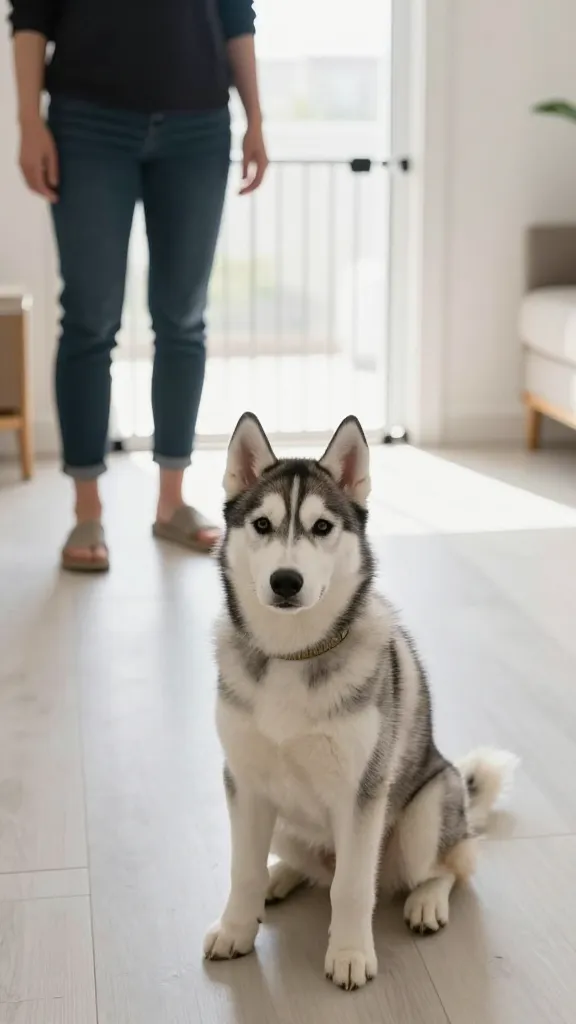
Husky puppies are smart and stubborn in the best way possible. Start with clear rules so they know what’s allowed and what isn’t. Consistency beats intensity here, every single time.
Why this matters? It prevents mixed signals that can derail training later. It also reduces frustration for both of you, so you’ll enjoy the learning journey instead of chasing a teenager in a fur coat.
Tips
- Use a simple command set (sit, stay, recall) and stick to it.
- Keep training sessions short (5–10 minutes) and frequent.
- Designate a space where they can retreat when overwhelmed.
Benefits: faster progress, calmer pup, fewer power struggles. When to use: at every wakeful moment—first thing in the morning, after meals, and before playtime.
2. Master the Art of Positive Reinforcement
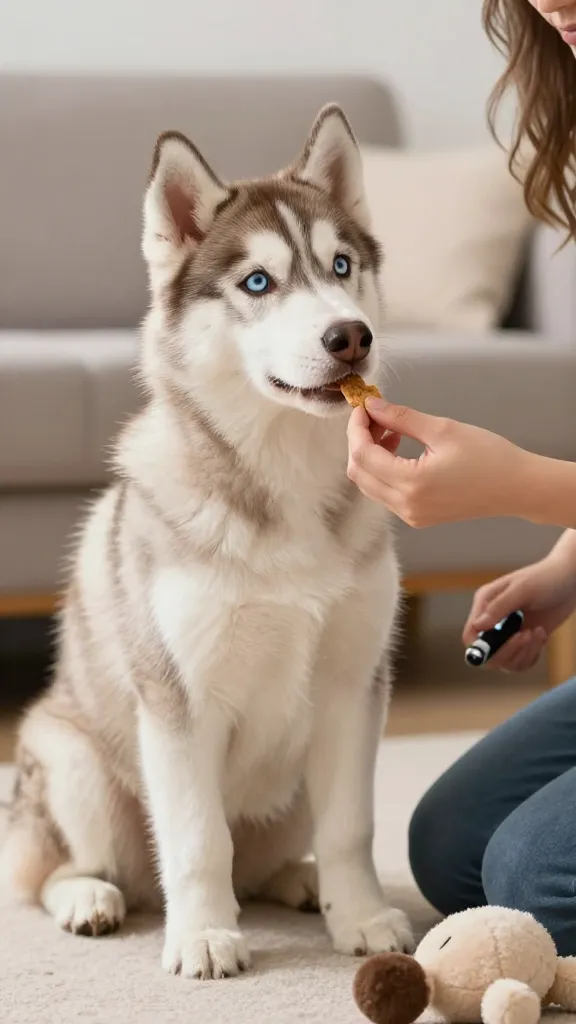
Huskies respond best to rewards that feel genuinely rewarding to them. Positive reinforcement helps them remember good behavior without turning training into a drag show.
FYI, it’s about timing as much as treats. Catch the moment of good behavior and reward it instantly, before the puppy forgets why they’re getting praise.
Key Points
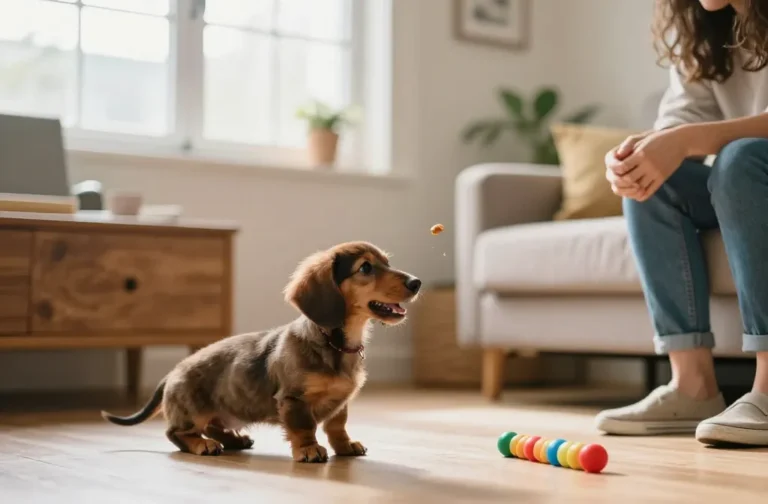
- Use small, tasty treats your pup loves.
- Pair praise with a click or specific cue so they connect action with result.
- Alternate rewards with play or affection to keep it exciting.
Practice scenario: recall in a safe, fenced area. Call their name, use the cue, then reward and celebrate. Trust me, consistency beats novelty every time.
3. Create a Training Schedule That Actually Works
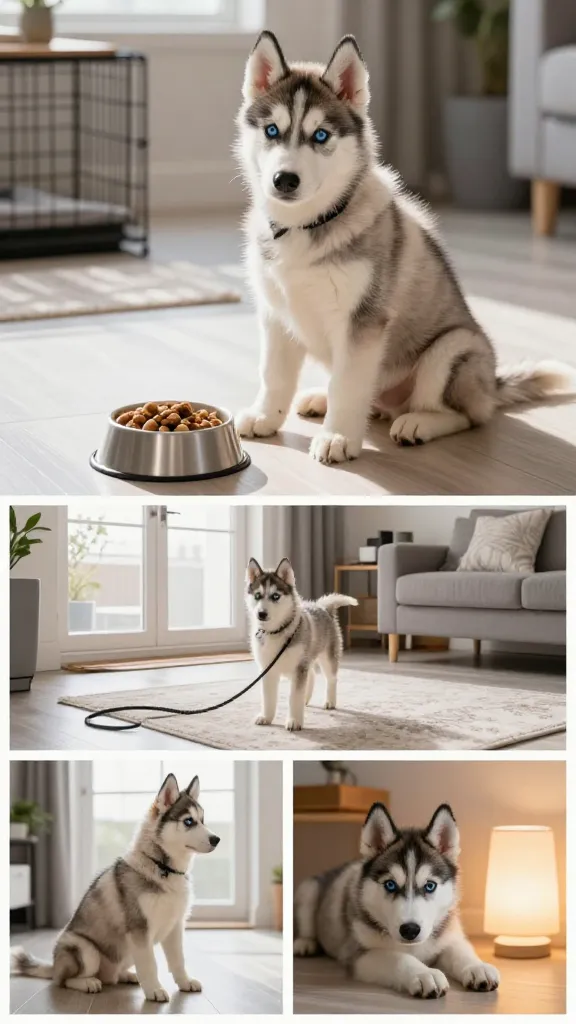
Husky puppies thrive on routine. A predictable daily rhythm reduces anxiety and makes training more efficient. The goal is steady, repeated exposure rather than marathon sessions.
If your schedule is wild, you’ll still win by carving out tiny, repeatable slots for practice. Think 3 short sessions across the day, plus a few longer sessions on weekends.
Structure Ideas
- Morning: quick sit/stay before breakfast.
- Midday: gentle leash walking and recall practice during a sunny break.
- Evening: a calm trick or kata (spin, bow) before bedtime.
Bottom line: consistency creates confidence. Your pup learns what to expect, and you learn how to guide them effectively.
4. Tire Them Out the Smart Way (Not Just with Toys)
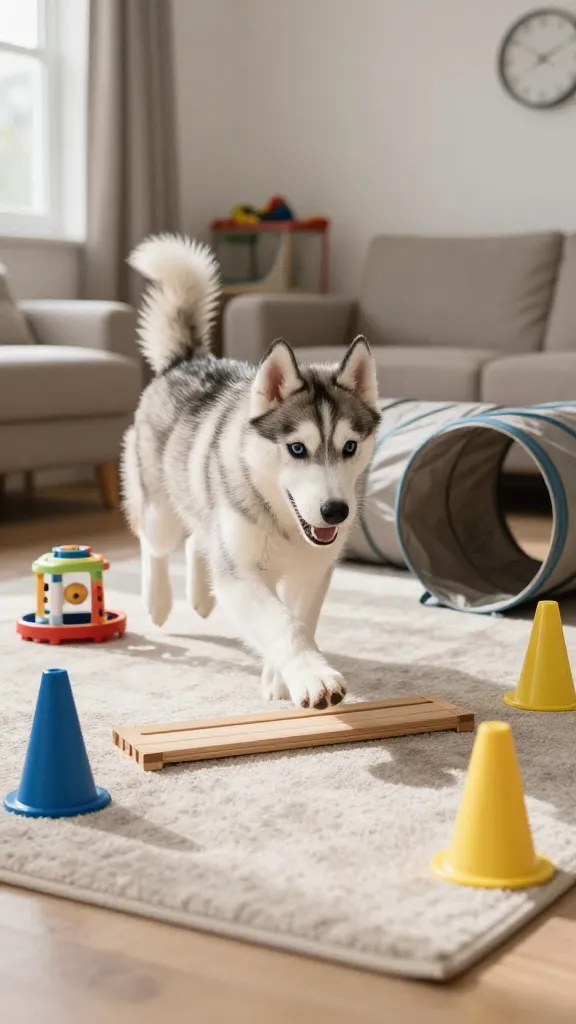
An over-tired husky is a mischievous husky. Channel their energy into productive outlets that satisfy both their body and brain. Huskies are athletes, so boring routines won’t cut it.
Mix physical workouts with mental challenges to maximize outcomes. Imagination often beats sheer distance when it comes to burn time.
Practical Activities
- Underhanded fetch with varying distances to prevent predictability.
- Short obstacle courses using household items (cones, tunnels, low jumps).
- Puzzle feeders or treat-dispensing toys for mental stimulation.
Tip: rotate activities so nothing gets stale. Your pup stays excited about training, not bored by it.
5. Leash Training: Keep It Calm, Not a Tug-of-War
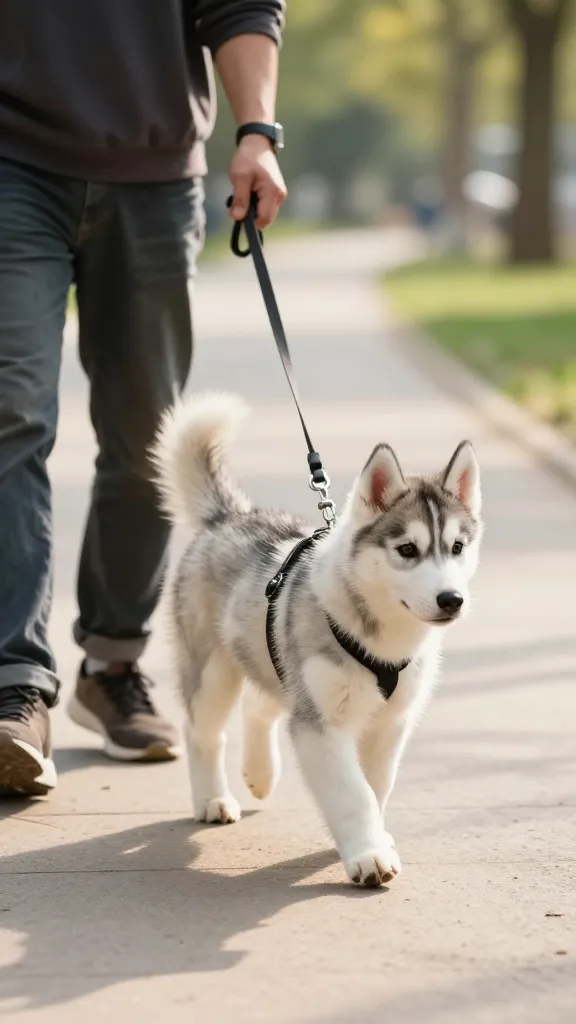
Leash manners can make or break your daily walks. Husky puppies naturally want to explore and pull; training this early saves shoulders and nerves later.
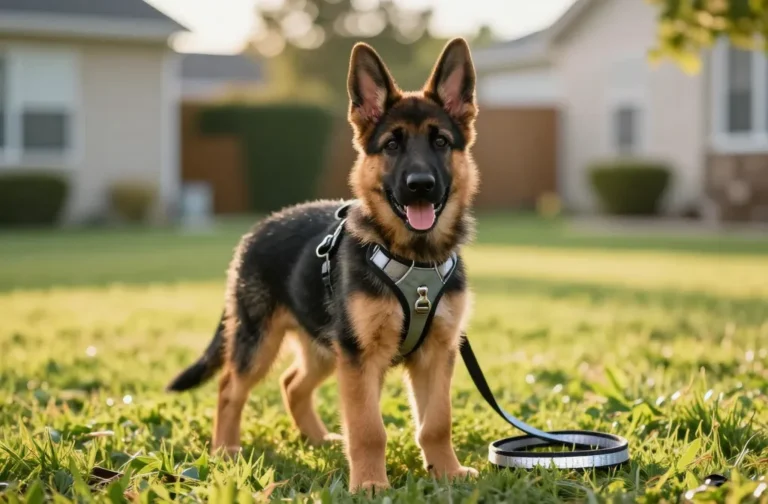
Consistency with a friendly tone helps them learn to walk beside you rather than drag you through the park. If you struggle, consider a front-clip harness as a transitional tool, then wean off as they mature.
Guidelines
- Short, frequent practice sessions in low-distraction zones first.
- Reward calm walking with treats and praise after small milestones.
- Avoid yanking; redirect with a cue and gentle leash guidance.
Outcome: smoother strolls, less stress, more enjoyable adventures. Use during park visits, neighborhood strolls, and even quick errands to reinforce good behavior.
6. Socialization That Builds Confidence (Not Fear)
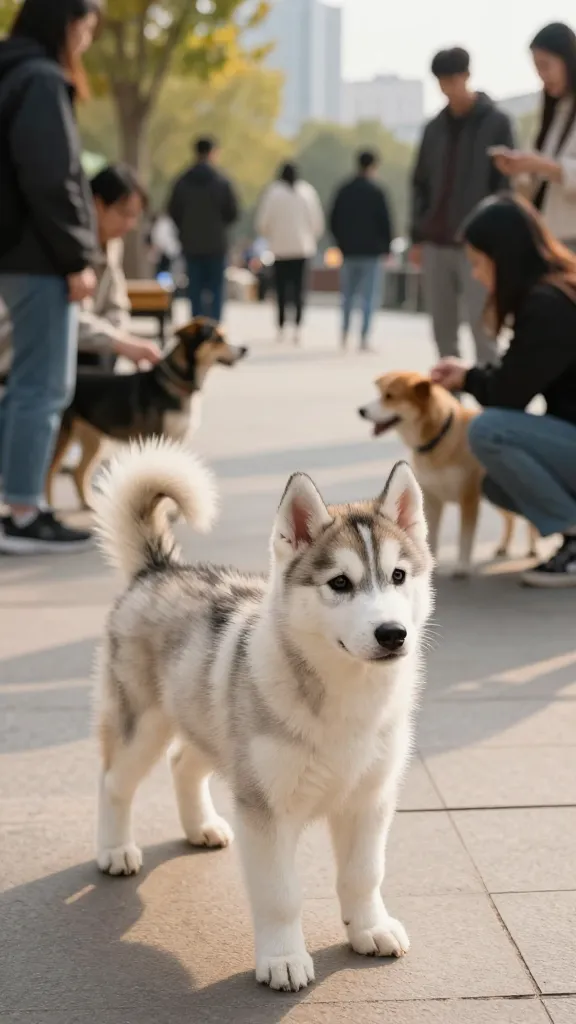
Socialization isn’t just for puppies—it’s a lifelong practice that protects them and others. Expose your husky to a variety of people, places, sounds, and other dogs under controlled conditions.
Foreshadowing: you don’t want “stranger danger” to become a dog overreacting to every new cue. Build a calm, curious attitude instead, so new environments feel like adventures rather than threats.
Socialization Plan
- Short intro runs with friendly, well-behaved dogs.
- Meet-and-greet sessions with varied humans (hugs optional, smiles guaranteed).
- Introduce new sounds slowly (vacuum, doorbell, fireworks) in a controlled setting.
Benefits: better adaptability, fewer anxiety spikes, happier outings. Apply during park trips, puppy classes, and family gatherings. Seriously, the more they see, the steadier they become.
Remember, every husky is unique. The magic sauce is patience, consistency, and a sense of humor when your pup pretends not to hear you during the funniest moments. IMO, celebrate small wins and don’t beat yourself up over the occasional chaos.
So gear up, have fun, and watch your fluffy teammate grow into a well-behaved, confident companion. Trust me, these six tips turn puppy chaos into confident charisma.