6 Common Dog Training Errors to Avoid That Work Instantly
Training a dog can feel like a wild ride, but spotting mistakes early keeps you in the driver’s seat. These six errors are the big culprits that slow progress and frustrate you and your furry friend. Let’s dive in and fix them fast, so you both enjoy the process.
1. Expecting Instant Perfection
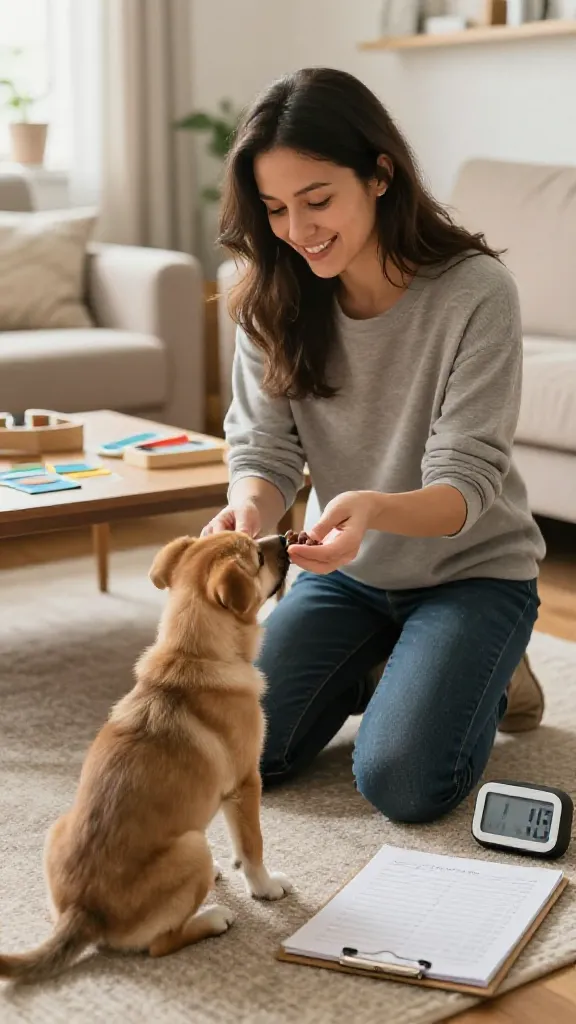
Impatience is the sneakiest training villain. You want results yesterday, but dogs learn in small, steady steps. This section helps you reset expectations and build momentum without burning out your pup.
Why this matters
When you push too hard or quit after a single setback, your dog gets confused and doubtful. Consistency beats intensity every time.
- Set small, achievable goals for each session
- Celebrate tiny wins with treats and praise
- Keep sessions short and frequent
By slowing down, you speed up long-term success. FYI, consistency is your best friend here.
2. Relying on Punishment Over Guidance
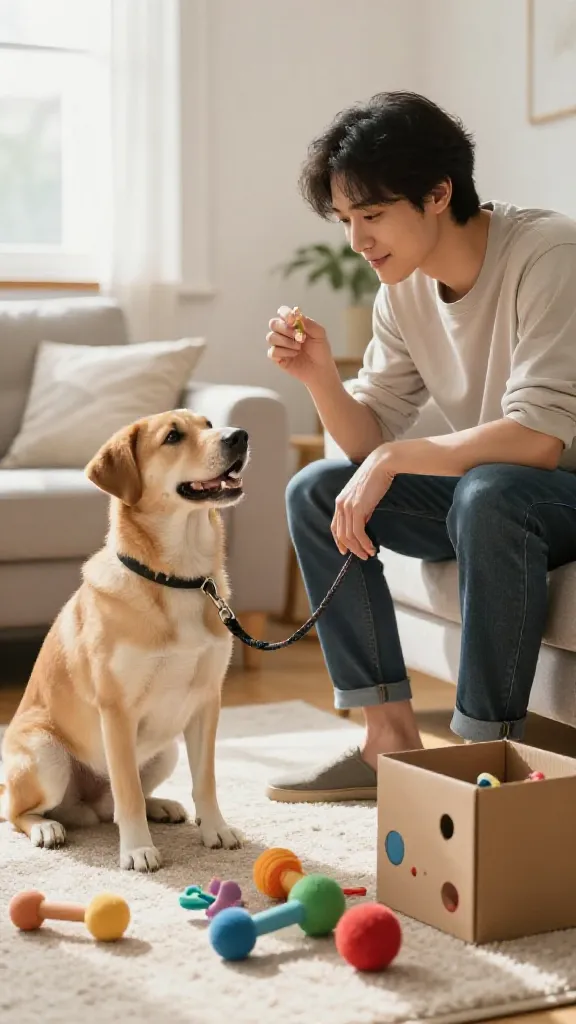
Yelling, scolding, or a harsh leash yank may feel satisfying in the moment, but it often backfires. Your goal is clear communication that strengthens trust.
Better approaches
Use positive reinforcement to reinforce good behavior and redirect bad behavior with engaging alternatives.
- Capture the behavior you want with rewards
- Redirect to an appropriate activity
- Keep a calm, even tone to avoid heightening stress
When you switch to guidance, your dog learns faster, and your bond deepens. Seriously, trust the process—your dog does, too.
3. Inconsistent Rules and Signals

Inconsistency creates a mystery novel your dog can’t solve. One day a cue means one thing, the next day it means something else. Nope, not fair to anyone.
How to fix it
Pick a simple cue language and stick to it. Everyone in the household should use the same rules and signals.
- Use consistent commands for common actions
- Limit competing cues from multiple people
- Review rules at the start of each week
Consistency reduces confusion, which means faster progress and happier training sessions.
4. Training in a Vacuum: No Real-World Practice
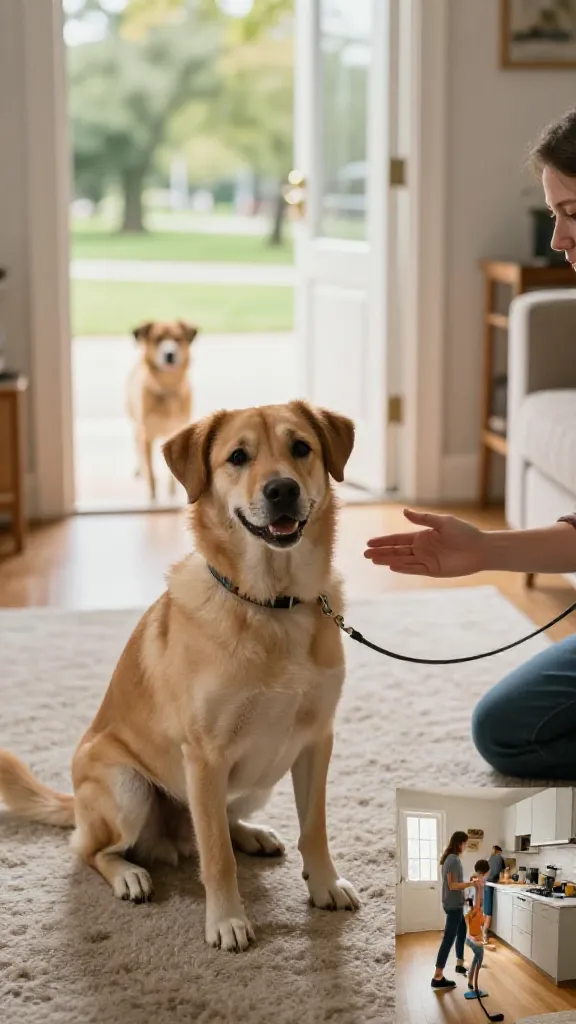
Training in a quiet living room is great, but dogs live in the real world. If you don’t practice in varied environments, your pup may be excellent at home and fail everywhere else.
Practical tips
Gradually introduce distractions and increase the challenge as your dog improves.
- Start in a low-distraction area, then add noise and movement
- Practice during walks, at the park, and during family routines
- Keep sessions short but frequent, especially in new places
Real-world practice translates to reliability, so you can actually enjoy outdoor adventures together.
5. Overlooking Body Language and Stress Cues
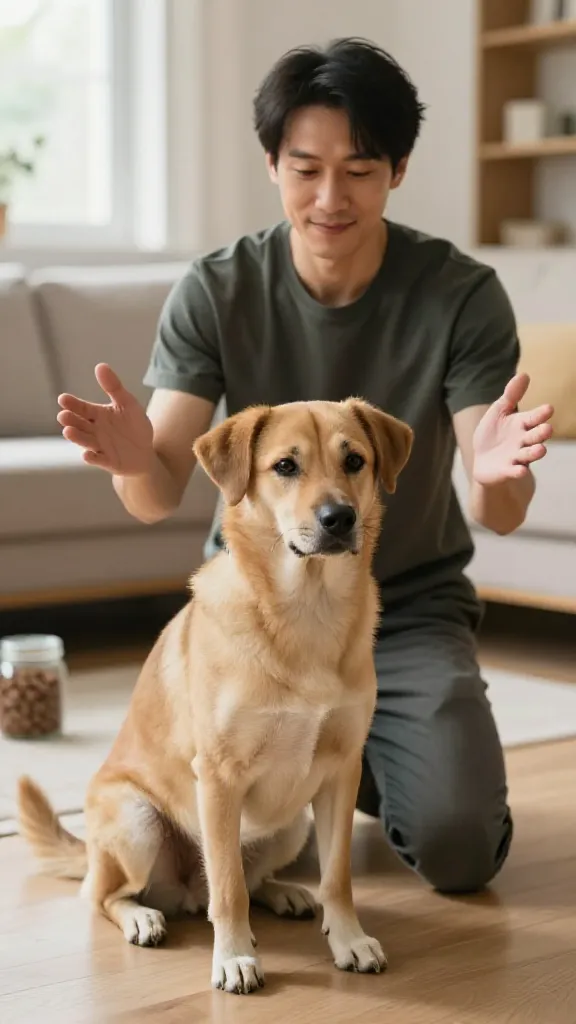
Dogs don’t just listen with their ears; they read your body. If you miss signs of stress or confusion, you’ll miss crucial feedback that could derail training.
What to watch
Notice posture, tail position, and eye contact. When your dog looks anxious, ease up and reframe the task.
- Take breaks when you see yawns, lip licking, or tucked tails
- Offer a higher-value reward to reengage
- Use a relaxed stance and slow movements to reduce tension
Respecting your dog’s signals keeps sessions humane, enjoyable, and effective. Trust me, your dog will thank you with better focus.
6. Skipping Ethical, Progressive Training Plans
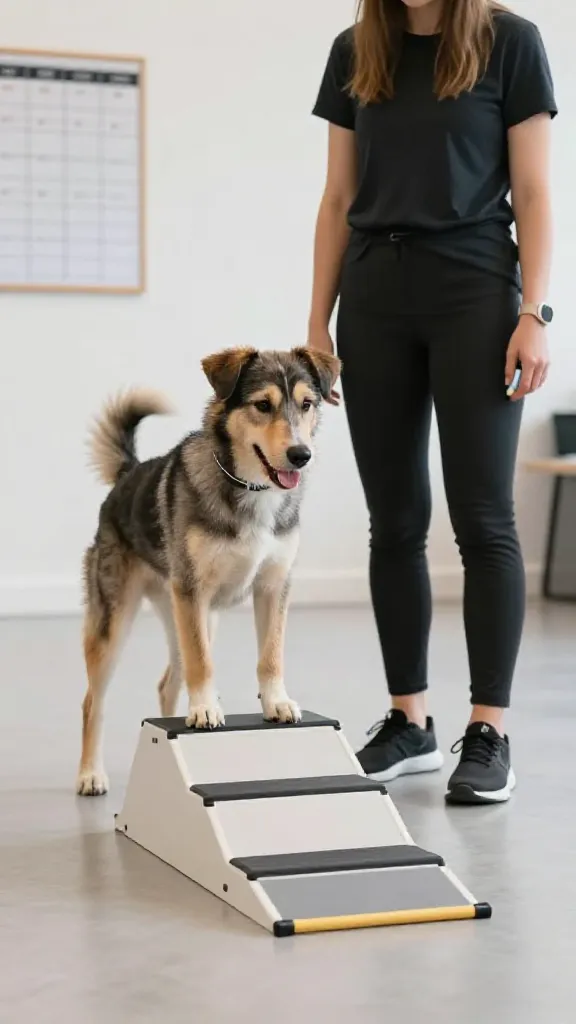
Going rogue and throwing too many tricks at once can overwhelm your dog and stall progress. A structured plan gives you a clear path forward and fewer detours.
Build a plan that works
Design a progressive ladder: master a skill, then raise the bar with a slight challenge.
- Chunk skills into small, testable steps
- Set milestones and track progress
- Incorporate rest days to avoid burnout
With a thoughtful plan, you’ll see steady improvement and your pup will feel confident tackling new tasks. IMO, a little planning goes a long way.
These six errors are the biggest roadblocks most dog owners stumble over. Tackle them head-on, and you’ll unlock smoother sessions, happier dogs, and fewer frustrating moments. FYI, progress compounds: small, consistent efforts create big, lasting change.
Ready to put these into practice? Grab a notebook, pick a few to fix this week, and start training with a renewed, kinder perspective. You’ve got this, and your canine sidekick is geared up for success.