6 Ways to Keep Dogs Comfortable Indoors Secrets for Calm Pups
Feeling guilty about leaving your furry friend cooped up? Not anymore. These six ideas keep pups calm, comfy, and giving you those grateful, wiggly tail wags all day long.
1. Elevate Their Sleep Zone With Plush, Quiet Corners
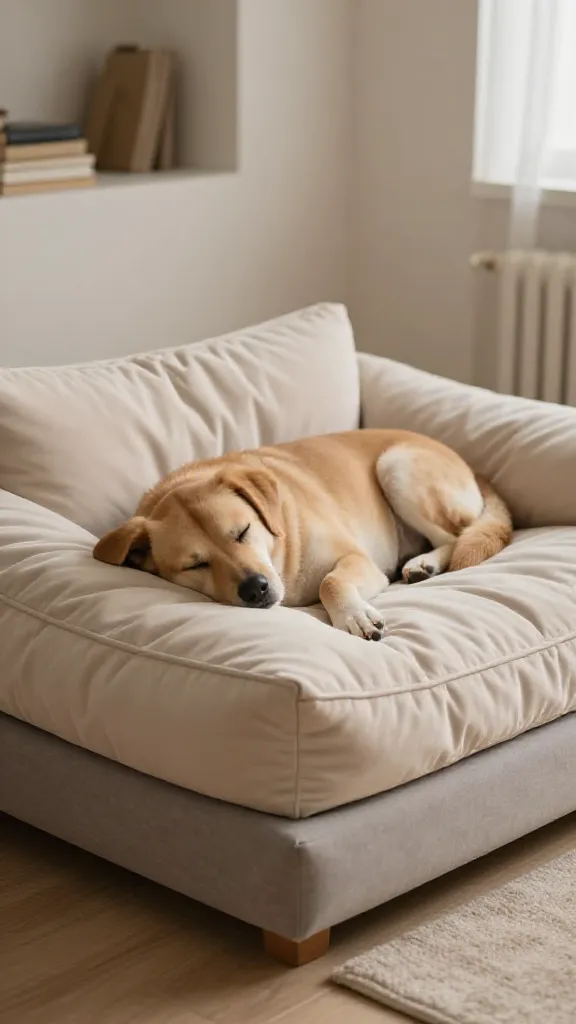
Your dog deserves a throne, not a heat vent on the floor. A dedicated, ultra-soft sleep nook makes naps legendary and night waking rare.
Think cushion science meets comfort aesthetic. Your pup will thank you with better sleep and fewer restless nights.
Why this works
- Cozy surfaces reduce anxiety and fidgeting
- Raised beds keep joints comfy for older dogs
- Strategic placement near family activity boosts security
Pro tip: choose washable covers and a size that lets them sprawl without feeling crammed. FYI, a slightly raised bed with memory foam plus a soft blanket is magic.
2. Create a Gentle Heating and Cooling Balance
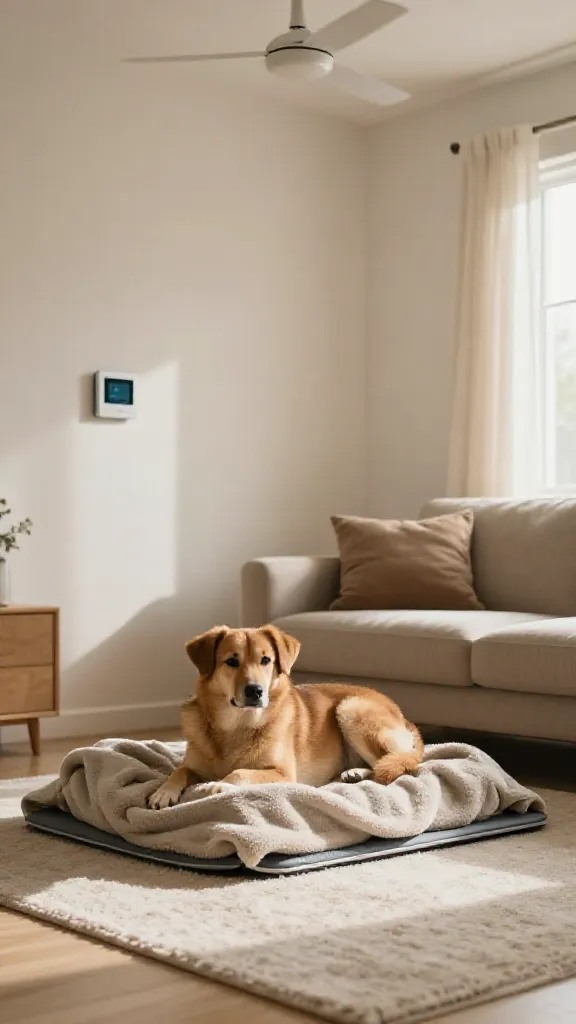
Dogs are temperature sponges. Too hot or too cold, and they’ll retreat to the corner like a grumpy cat. Maintain a comfy sweet spot in your living area.
Set it and forget it with a smart, simple approach—fans on warm days, a cozy blanket in chilly rooms, and a thermoregulation vibe that keeps them relaxed.
Practical setup
- Room thermostat target around 68–72°F (20–22°C)
- Pet-appropriate blanket or cooling mat for summer
- Noise-free fan with a gentle breeze directed away from sleeping zones
Bonus: a small, portable heater near their bed can be a game-changer for winter naps. Seriously, their paws will feel the love.
3. Designate a Calm, Interactive Toy Corner
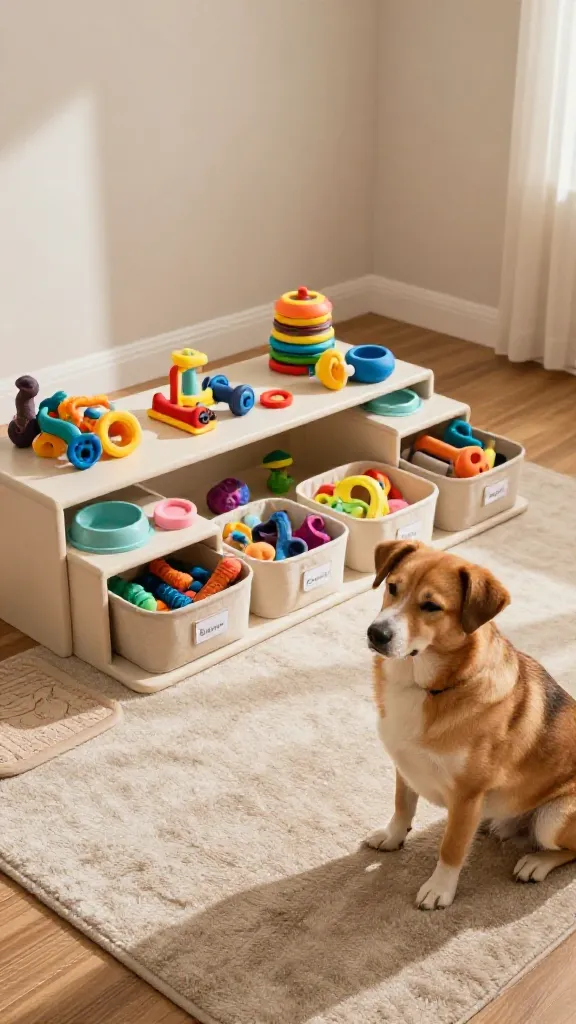
Boredom is a sneaky culprit behind mischief and overexcited barking. A toy station invites structured play that tires the brain—and the mouthy energy.
Stock it with a mix of puzzle toys, chew-safe options, and interactive feeders. It’s like a mini gym, for your dog’s mind and jaw.
What to include
- Slow-feed puzzle bowls
- Chew toys that last (think durable rubber or nylon)
- Treat-dispensing toys for independent play
Tip: rotate toys weekly to keep things fresh. Trust me, the “new toy” effect is real and keeps them engaged longer.
4. Optimize Indoor Walks and Exercise Windows
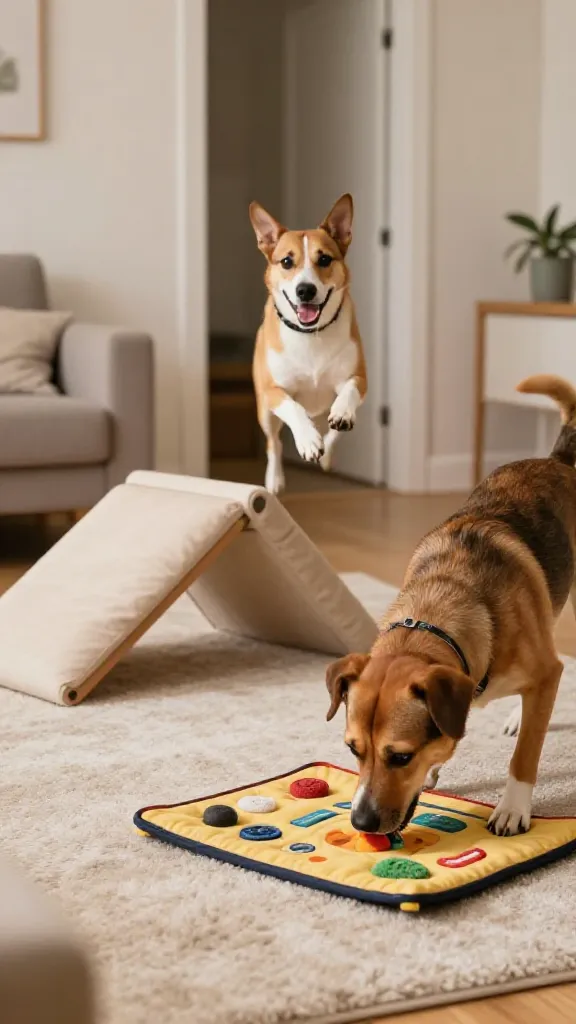
Indoor activity doesn’t have to be a bore. Short, focused bursts of play add up to big energy burn and better mood.
Plan micro-workouts: quick runs, fetch in a hallway, or a tug-of-war session. These translate into fewer zoomies around the furniture and more peaceful evenings.
Simple routines you can use
- Two 5-minute play sessions spaced throughout the day
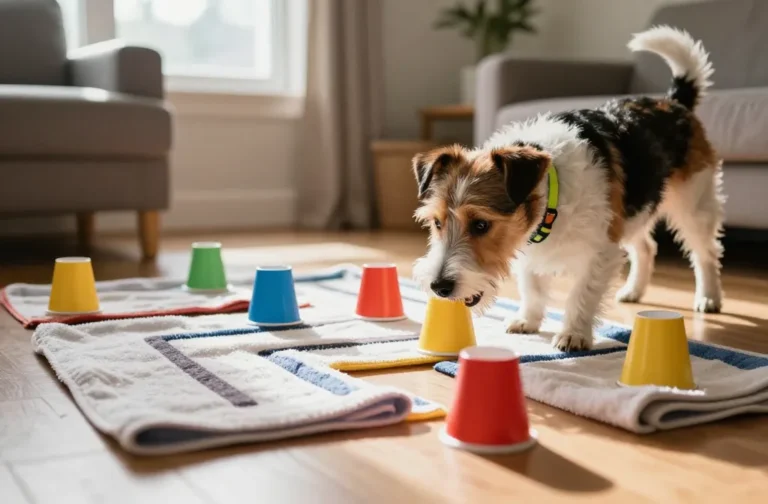
- Short indoor obstacle course using cushions and chairs
- 5–10 minutes of scent-work games per session
Note: keep sessions fun and stop before they get overstimulated. IMO, consistency beats intensity here.
5. Tidy, Dog-Friendly Spaces to Reduce Stress Triggers
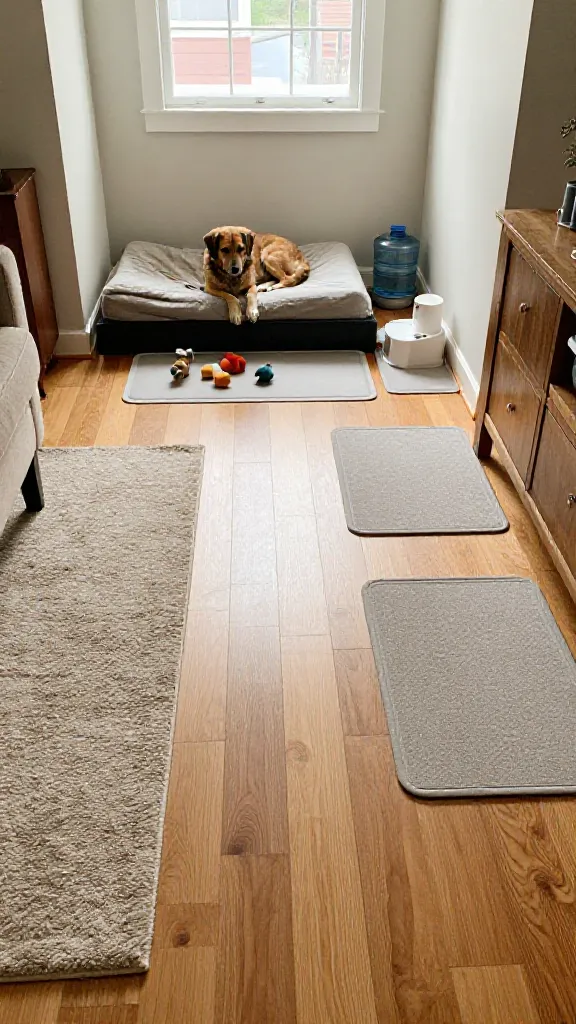
A cluttered home can stress a sensitive pup. Clear, accessible zones promote calm and reduce accidental messes that trigger anxiety.
Think simple layouts: low-lying bowls, chew zones away from human traffic, and a clear path to their bed. A tidy space feels like a warm hug for dogs and humans alike.
Key elements
- Dedicated feeding mat away from toys and sleeping areas
- Non-slip floor mats around their water station
- Quiet corner for downtime away from heavy foot traffic
Organization tip: use labeled storage bins for toys and chews. It’s oddly satisfying to see the floor stay clean after a good afternoon session. FYI, a little routine goes a long way here.
6. Create a Calm, Safe Environment With Sound and Scent Cues
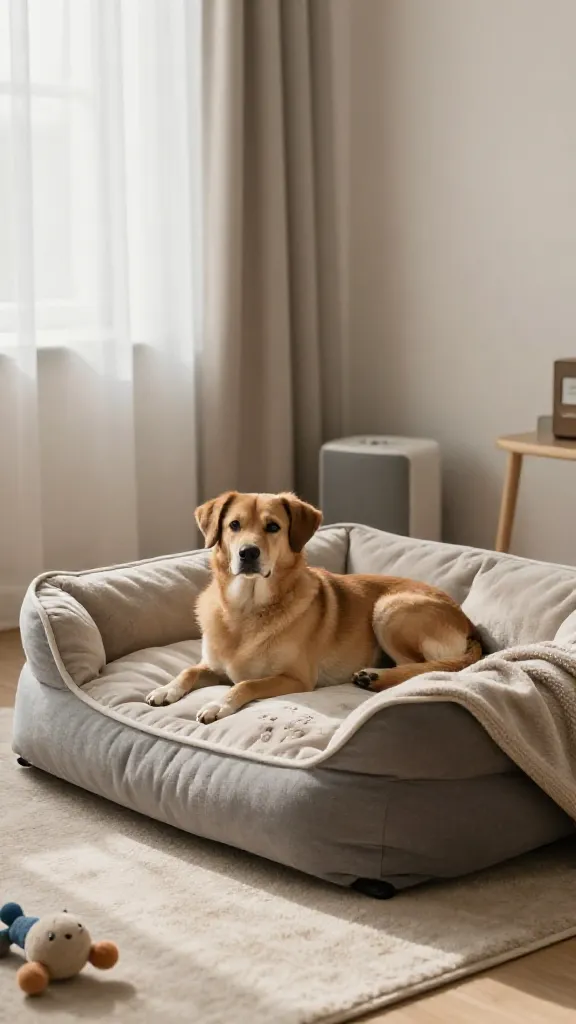
Dogs respond to sound and scent cues that signal safety. A combination of soft music, familiar scents, and predictable routines can drastically reduce nerves during storms, visitors, or loud events.
Think of this as your dog’s mental spa: consistent sound levels, smells they love, and a go-to spot they know is theirs.
How to implement
- Play a soft playlist or nature sounds at low volume
- Leave a blanket with your scent near their bed during long days apart
- Signal routines with consistent cues (cookie time = good, guest time = nap time)
Benefit snapshot: calmer dogs mean fewer outbursts, longer naps, and more cuddle opportunities. Trust me, your future self will thank you for these small, steady tweaks.
Conclusion: Ready to turn your home into a canine comfort zone? These six ideas are meant to feel effortless, not like a full home renovation. Start with one or two tweaks, see what sticks, and gradually expand. Your dog will reward you with easier evenings, more wagging, and a lot less drama.