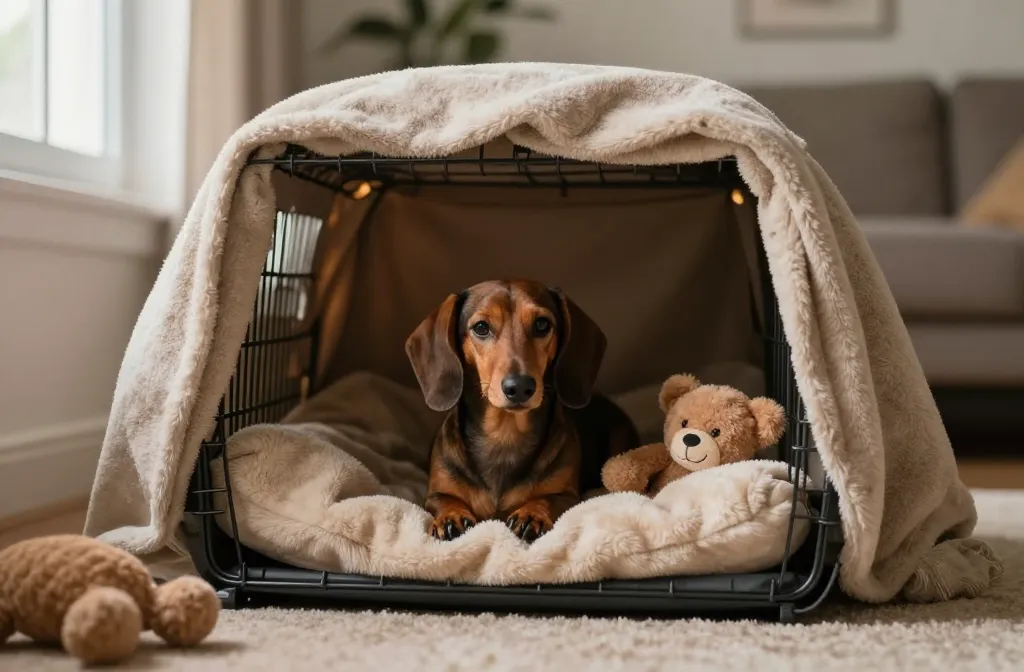
6 Crate Training Dachshund Tips for Beginners
If you’re new to crate training, these six tips are your fast track to a calm, confident dachshund. No fluff, just practical moves that actually work. Let’s dive in and make crate time your dog’s favorite part of the day.
1. Start with a Cozy, Inviting Space
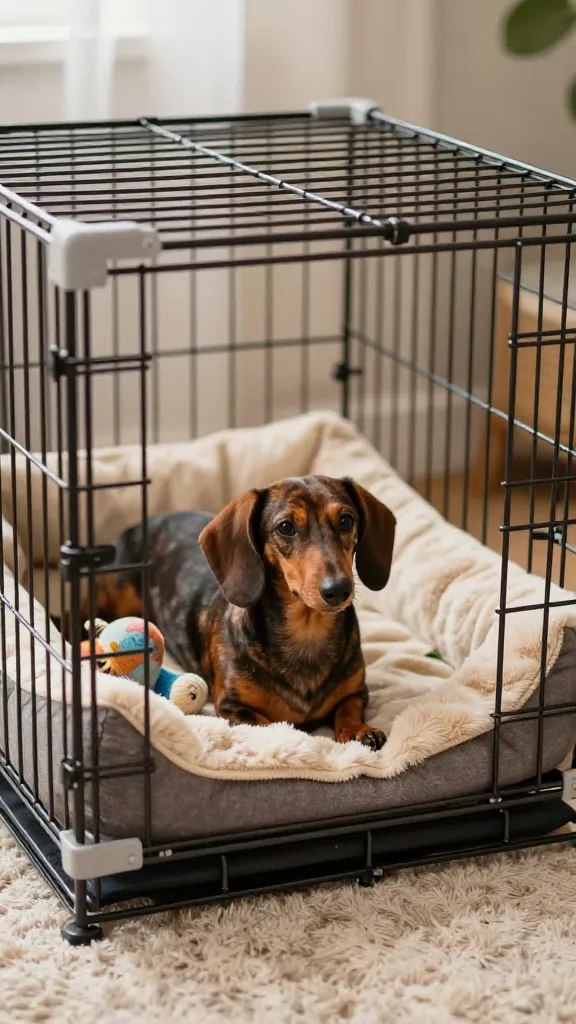
Your dachshund needs a crate that feels safe, not like a jail cell. Create a den-like spot that invites them to settle in—soft bedding, familiar smells, and the right size.
Why this rocks: a welcoming crate lowers anxiety, making crate time a positive habit instead of a punishment. Trust me, comfy corners beat cold metal any day.
Key Elements:
- Appropriate crate size (enough room to turn around, not lounge like a king-size bed)
- Nest of soft blankets or a plush mat
- One or two familiar toys that smell like home
Place the crate in a busy but not chaotic area so your pup can still see you. The goal is association, not isolation. FYI, keep it away from direct drafts and loud noises for sensitive pups.
2. Make the Crate a Reward, Not a Punishment
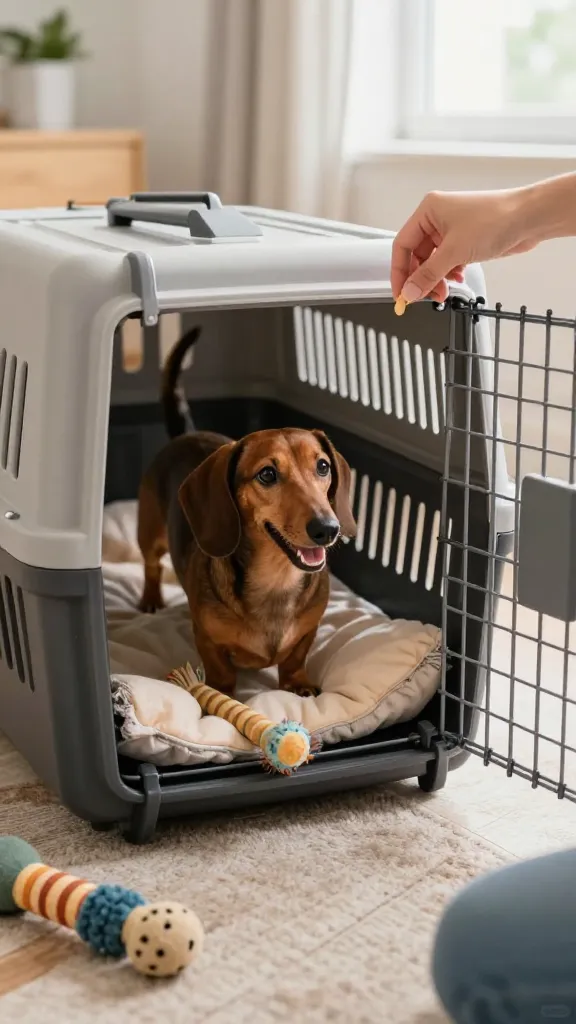
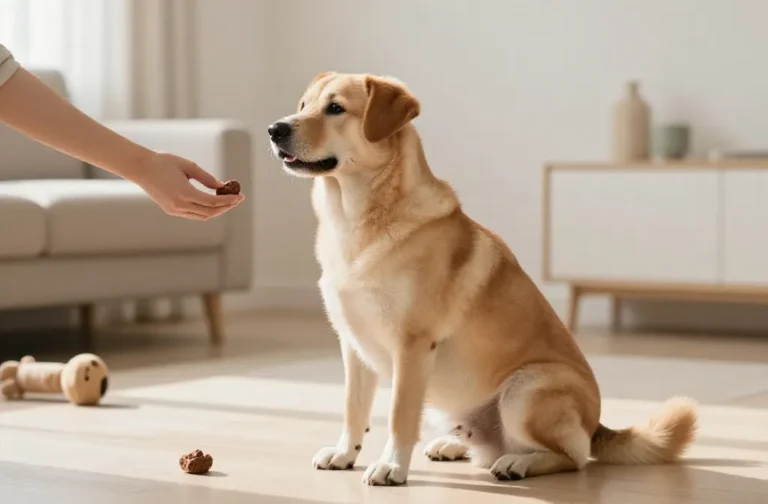
Turn crate time into something your dachshund begs for. Use treats, praise, and play so the crate equals good vibes rather than timeout vibes.
That sounds obvious, but so many people make crate time a mystery. Make it predictable and fun, and your pup will start signaling when they’re ready to go in.
Tips to Win Them Over:
- Offer a tasty, long-lasting chew when entering the crate
- Use a cue word like “crate” consistently during positive sessions
- End with a short play session or cuddle inside the crate to reinforce the positive loop
Benefits show up fast: steadier nerves, fewer midnight whines, and a dog who associates the crate with security and joy.
3. Gradually Increase Time and Quiet Cues
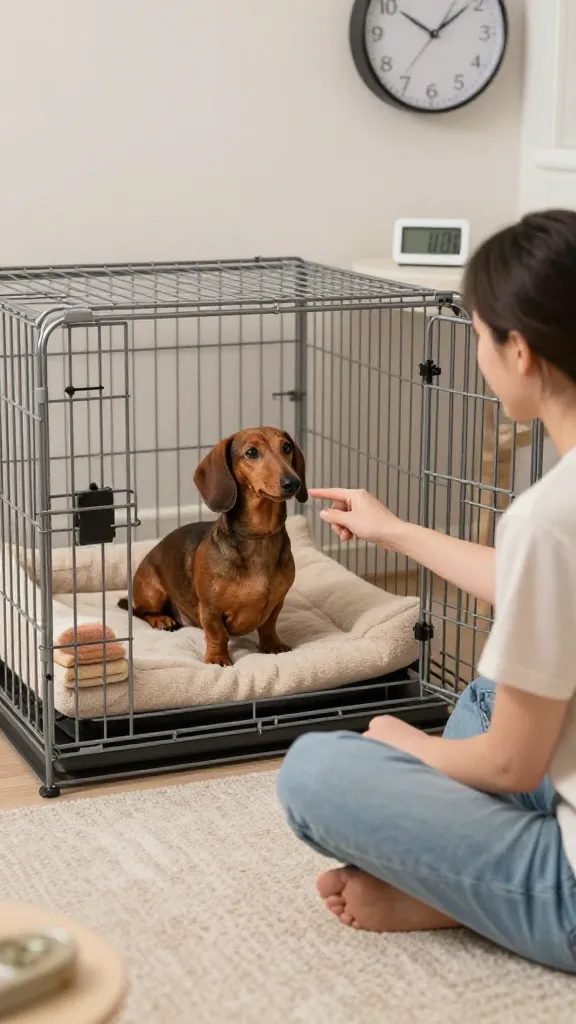
Progression is key. Start with seconds, then minutes, and slowly creep up to longer stretches. A quiet cue helps you manage expectations without surprises.
Skips and jumps here wreck trust. So, keep it slow, steady, and predictable. Seriously, consistency is the secret sauce.
Structure That Works:
- 5- to 10-minute sessions daily in the beginning
- Progress to 20–30 minutes as your pup tolerates calmly
- Always end sessions on a positive note
When you hear no whining, you know you’re on the right track. You’re building a routine your dachshund can rely on.
4. Use the Right Timing for Crate Anywhere
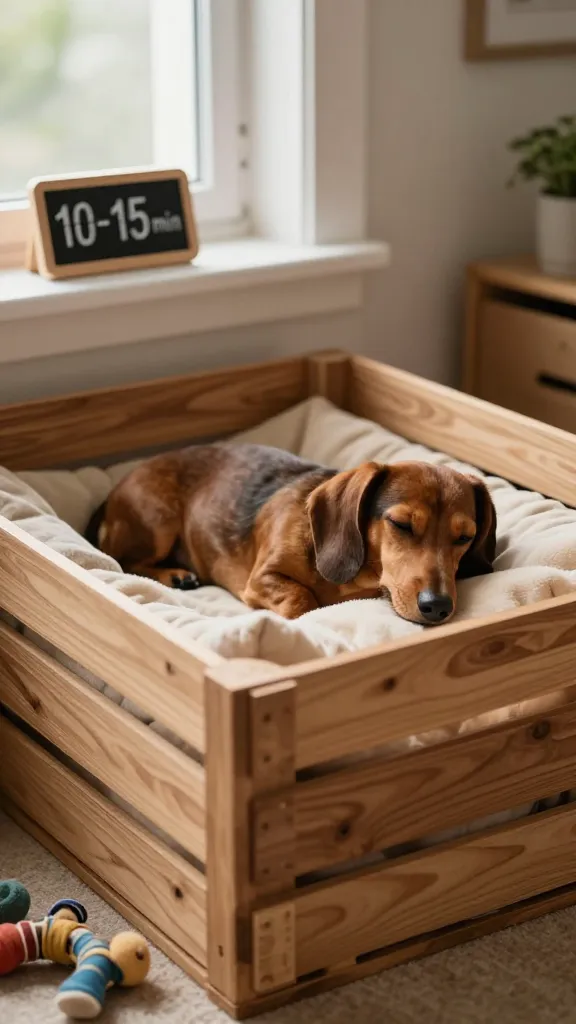
Timing changes everything. Schedule crate visits around meals, naps, and short outings so the dog expects downtime after meals or activity.
Crate training isn’t about locking a dog up; it’s about pacing their day so they don’t binge on energy or get overwhelmed. IMO, calm intervals lead to happier dogs.
Practical Timers:
- Post-meal crate sessions: 10–15 minutes
- Morning naps: short, gentle training blocks
- Before bed: a cozy wind-down routine inside the crate
Benefits: better sleep, fewer accidents, and a dachshund who handles alone time like a pro.
5. Teach a Simple Exit Strategy (Don’t Rush It)
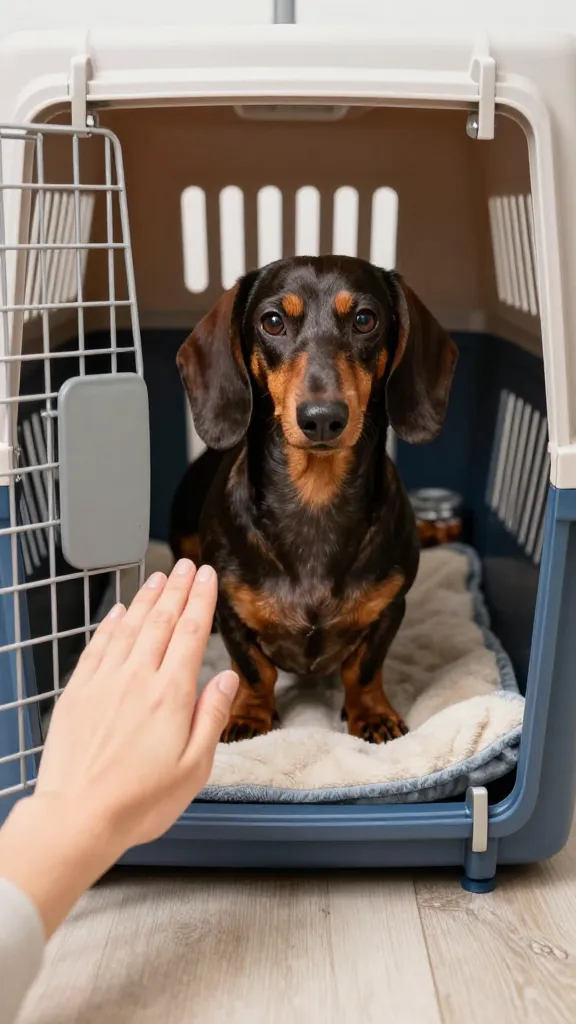
Your pup should be able to leave the crate confidently and calmly. Teach a clear exit cue and practice gently releasing them so crate time stays calm and controlled.
Exits aren’t just doors; they’re moments that reinforce self-control. If you rush, you’ll undo progress and invite drama at next crate session.
Exit Cues and Tactics:
- Use a calm cue like “okay” or “all done” when you’re ready to release
- Hold the door briefly open to invite a stretch or a small walk before leaving
- Reward the calm, not the chaos, after exiting
With a clean exit routine, your dachshund keeps their cool, and you avoid the dreaded crate-dash in the evenings.
6. Anticipate and Manage Common Challenges
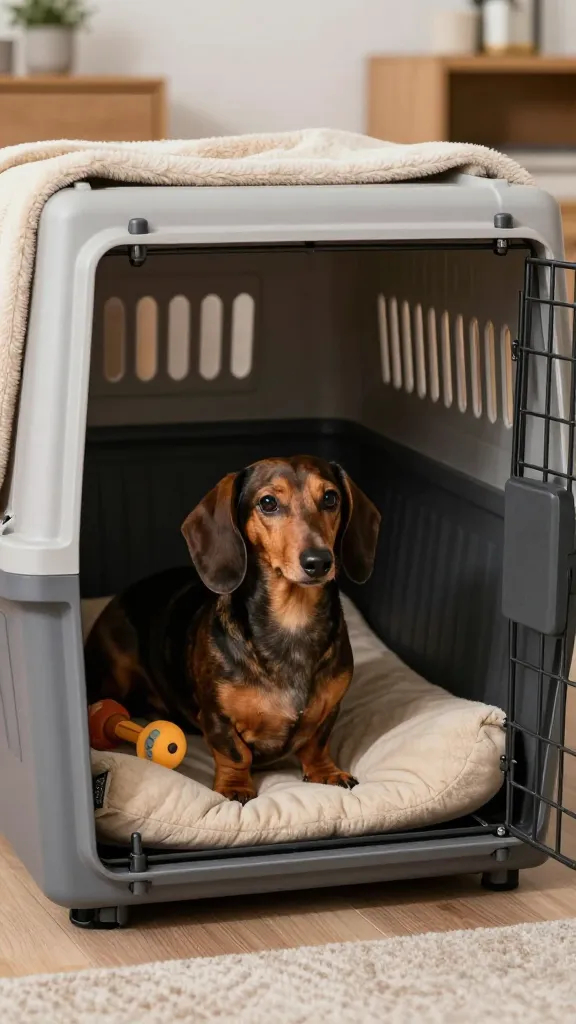
No magic wand here—just practical fixes for bumps along the road. Anticipate common issues and address them with consistent routines and a dash of humor.
FYI, dachshunds can be stubborn or sensitive, so tailor your approach to their personality. If whining escalates or you see signs of separation anxiety, back up a step and rebuild confidence from the start.
Common Snags and Fixes:
- Whining: extend short sessions gradually and add comforting routines
- Resistance to the crate: swap in a new, tastier treat or toy
- Accidents near the crate: re-evaluate crate size and placement
Remember, persistence pays off. Your dog is learning a new language of calm and security, and you’re the translator who makes it easy.
Conclusion: You’ve got the toolkit now to make crate training approachable and fun. Start small, stay consistent, and celebrate the tiny wins. You’ll be surprised by how quickly your dachshund settles in and how peaceful crate time can become—trust me, you’ll thank yourself later.