5 8 Week Old Puppy Training Tips for Beginners
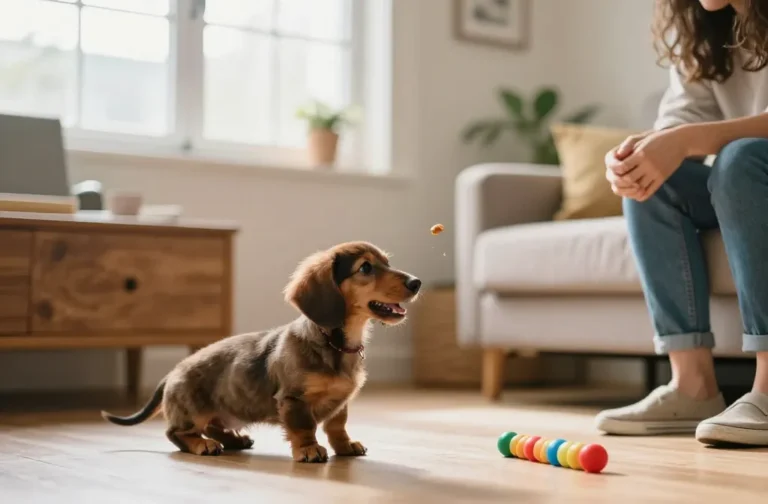
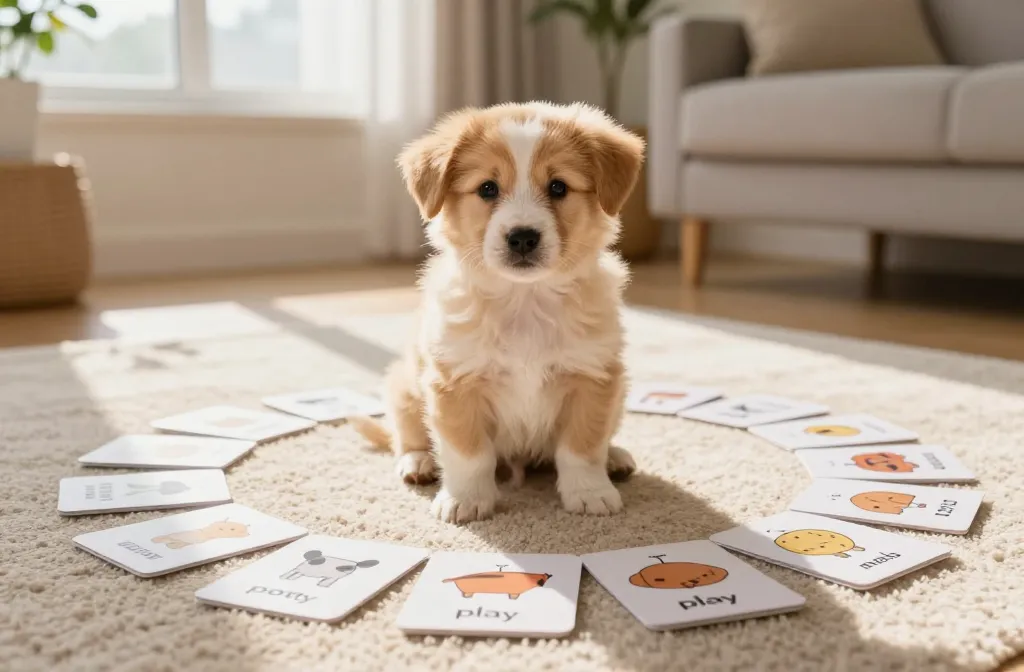
If you just brought home a tiny furball, this list is your new best friend. These tips are practical, friendly, and built for beginners who want real progress without the chaos. Let’s dive into bite-sized steps you can actually follow this week.
1. Establish a Predictable Routine That Actually Works
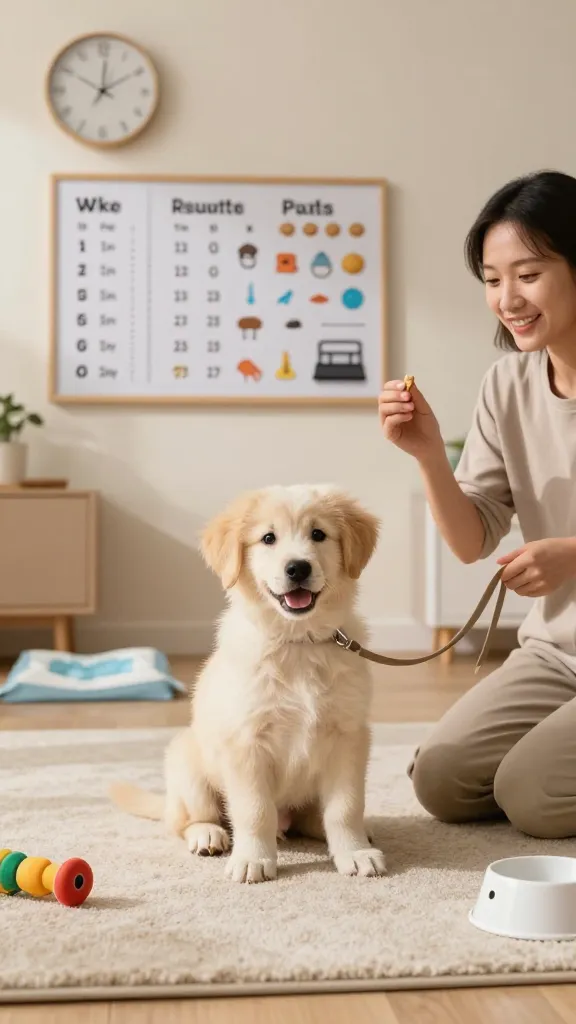
Puppies crave consistency, and a solid routine cuts chaos by half. You’ll both know what to expect, and accidents become easier to manage.
Why it matters: routines reduce anxiety and speed up learning. FYI, a predictable day helps you catch doggy signals before they explode into a mess.
Key Points
- Set fixed wake, meals, potty, play, and bedtime times
- Keep sessions short (3-5 minutes) but repeat frequently
- Use a cue word for each activity so your pup links the action with the outcome
How to implement: create a simple daily schedule and place it somewhere you both can reference. Later, you’ll be amazed at how quickly your pup starts anticipating the next step. Benefits? fewer accidents, calmer energy, faster potty training, and more quality cuddle time.
2. Master Potty Training With Super Consistent Cues
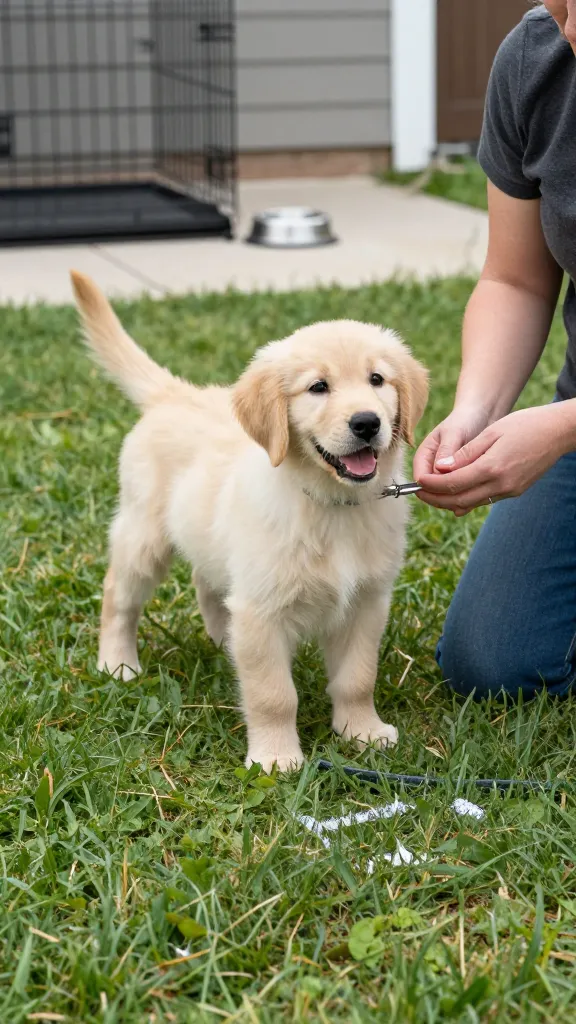
Puppies aren’t born knowing where to go. They rely on us to guide them with timing and cues. Nail this, and you’ll reclaim your living room floor space in no time.
Impressive result: near-zero accidents during daytime with a reliable routine. Seriously, consistency pays off big time.
Key Elements
- Take outside first thing after waking, after meals, and after play
- Choose a calm potty cue like “Go potty” and use it every time
- Offer praise and a tiny treat immediately after the successful potty outside
Tips: watch for signs like sniffing, circling, or whining near doors. End sessions with a brisk, positive reinforcement moment to seal the behavior. Benefits? cleaner floors, faster house-training, and a super proud pup who knows boundaries.
3. Begin Gentle Impulse Control Before It Becomes a Monster
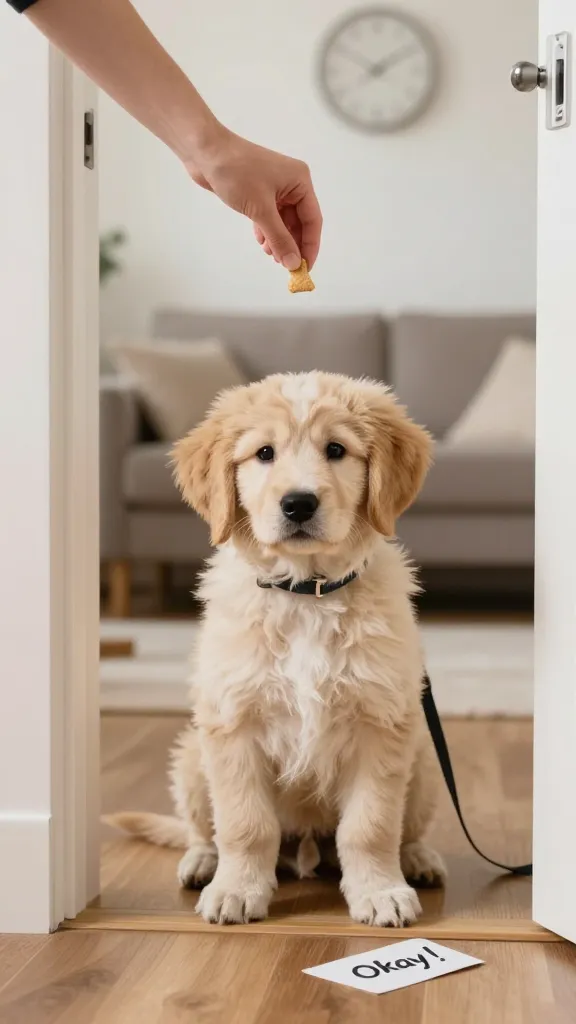
Impulse control is the secret sauce for a well-behaved dog. Start small now, and you’ll save headaches later on. You want a pup that can wait for meals, toys, and your attention.
Trust me, these tiny wins compound into a big, calm dog. IMO, this is where beginners really feel the progress.
How to Build It
- Practice “Wait” at doors and before treats
- Use a watchful treat countdown: 3-2-1 and then release with “Okay!”
- Incorporate short 1-minute “stay” exercises during play
Why it matters: a dog who waits is easier to manage in busy places, around kids, and during veterinary visits. Benefits include fewer door-dash escapes, safer interactions with strangers, and more predictable behavior during meals and playtime.
4. Enrich Mind and Body With Short, Fun Training Sessions
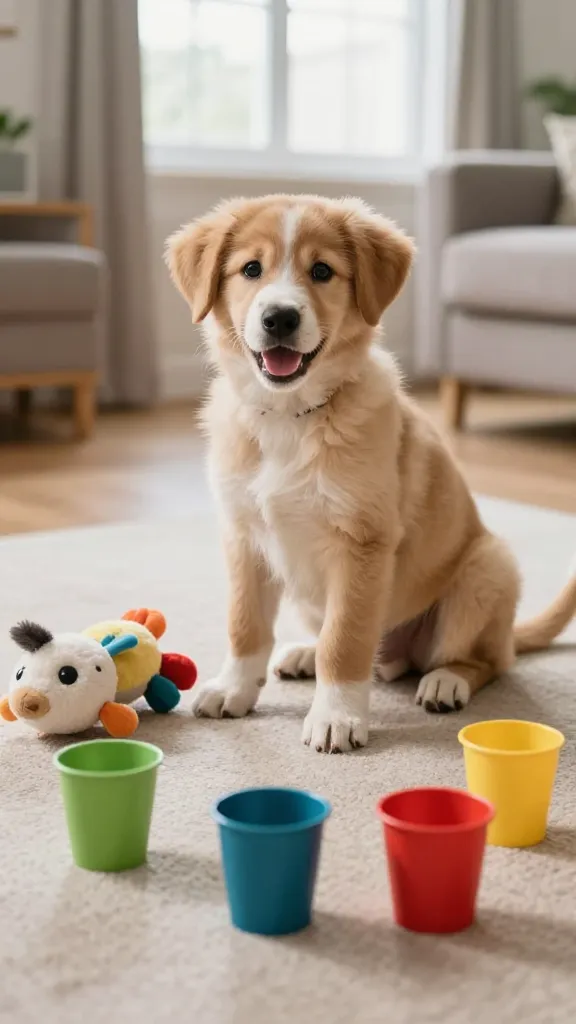
Puppies are bundles of energy and curiosity. Mentally stimulating activities burn off that excess energy and help solidify training concepts in a positive way.
FYI, the right mix of mental and physical activity makes training feel like play, not punishment.
What to Include
- Basic commands: sit, drop it, leave it, come
- Indoor games like treat-dispensing toys or hide-and-seek with a favorite toy
- Short scent games: hide treats under cups for them to find
How it translates to real life: a mentally engaged puppy sleeps better, explores calmly, and responds more reliably to commands. Benefits? Better focus, fewer destructive binges, and a more cooperative vibe during vet visits or car rides.
5. Socialization in Small Doses That Build Confidence
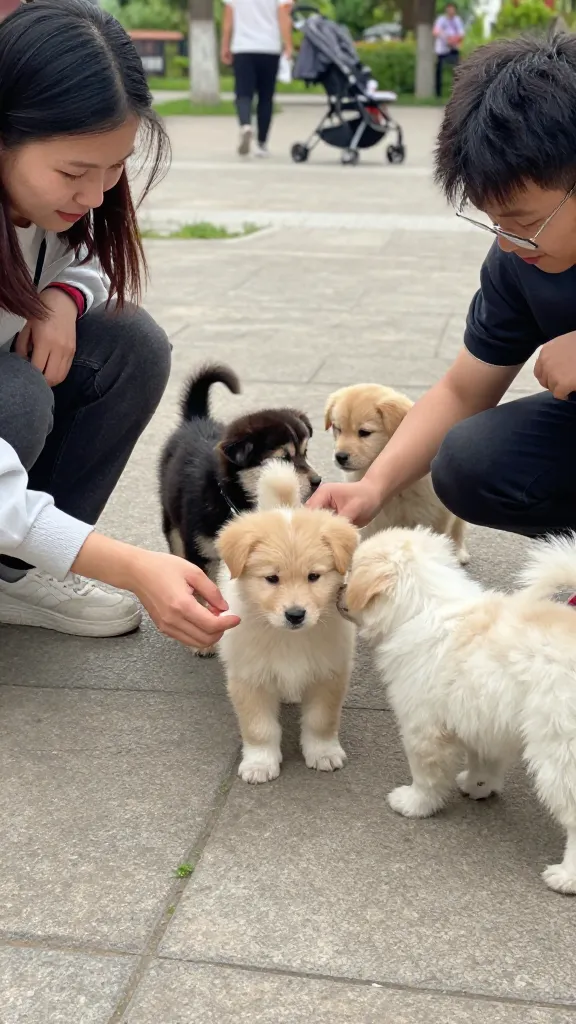
Socialization isn’t about throwing your puppy into the lion’s den; it’s about controlled exposure to new people, places, and pets. Start gentle, at your pace, and document what works.
This is where fear-free confidence starts. IMO, early social skills prevent awkward or reactive dogs later on. It can be surprisingly fun when you approach it like a series of tiny adventures.
Practical Steps
- Short meet-and-greets with friendly, vaccinated dogs in controlled settings
- Brief trips to low-stress places: a quiet park corner, a friend’s yard
- Positive reinforcement for calm behavior around new people and environments
End note: socialization builds a pup who enjoys exploration, is less fearful, and is more adaptable to different routines. Benefits appear as improved leash manners, better responses to strangers, and more confidence during vet visits or grooming.
Now that you’ve got the lay of the land, you’re ready to start implementing these five friendly practices. Each one builds on the last, creating a well-adjusted puppy with great manners and a happy, wagging tail.
Welcome to the journey—you’ve got this, and your pupper will thank you with endless cuddles and zoomies. Seriously, you’re doing amazing already.