
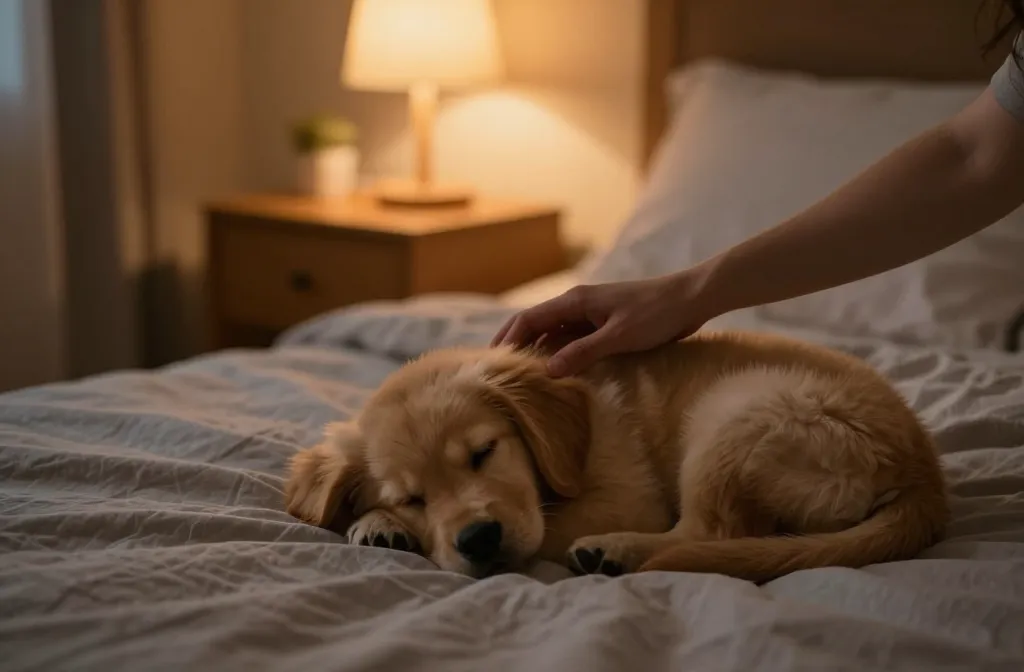
Boost Your Calm: 7 Puppy Sleep Schedule Tips for Better Rest
If your new furball keeps you up at night, these tips are about to become your best friends. We’re talking practical, doable routines that help your puppy snooze like a champ. FYI, better sleep for your pup means calmer mornings for you.
1. Establish a Predictable Bedtime Routine
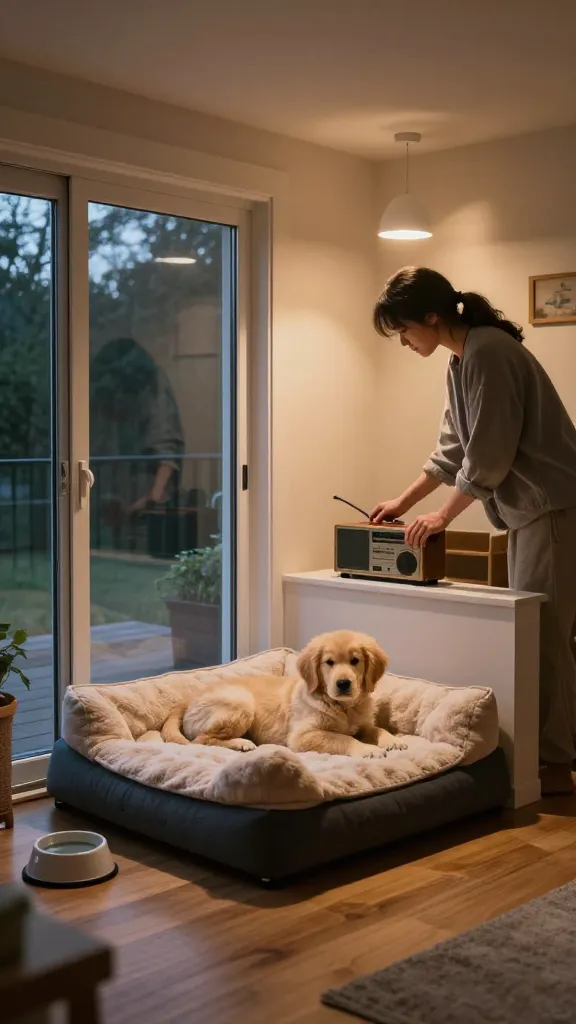
Puppies thrive on consistency, and a solid bedtime routine is the secret sauce. Wendy the golden retriever didn’t get the joke about staying up late until her humans made a ritual out of it. Now she knows when lights go down, it’s cuddle time and lights out.
A routine helps your pup associate the end of the day with quiet, calm energy. Here’s how to start:
- Dim the lights and lower ambient noise 20–30 minutes before bed
- Offer a last potty break and a comfy bed in a dedicated sleeping area
- Finish with a short, soothing cuddle or a calm brushing session
Benefits: easier transitions, fewer wake-ups, and a pup who sleeps through the night more often. When to use: every night, no excuses.
2. Time Potty Breaks Strategically

Pee breaks aren’t just about toilet time; they set the rhythm for a full night’s sleep. If your puppy learns to go outside right before bed, you reduce the chances of midnight wake-ups for “nature calls.” Seriously, it makes a big difference.
Tips to nail it:
- Schedule a last potty 15–30 minutes before lights out
- Keep a predictable daytime potty rhythm too—this stabilizes bladder cues
- Reward quiet, successful potty sessions with a treat and gentle praise
Bonus: a well-timed potty reduces early-morning zoomies and helps you reclaim sleep. When to use: every night and after naps to maintain consistency.
3. Create a Sleep-Optimized Space

Your puppy deserves a sanctuary, not a chaotic corner. A dedicated, cozy sleep zone helps them settle faster and stay asleep longer. IMO, a little effort here goes a long way.
What to include:
- A crate or crate substitute in a quiet corner
- A soft, washable bed with a warm blanket
- A calming white-noise machine or fan for masking household sounds
Tip: place the bed in a low-traffic area but not secluded to avoid anxiety. Benefits: fewer disturbances, calmer mornings, and a tail-wagging “this is my spot” energy.
4. Match Feeding Schedules to Sleep Cues
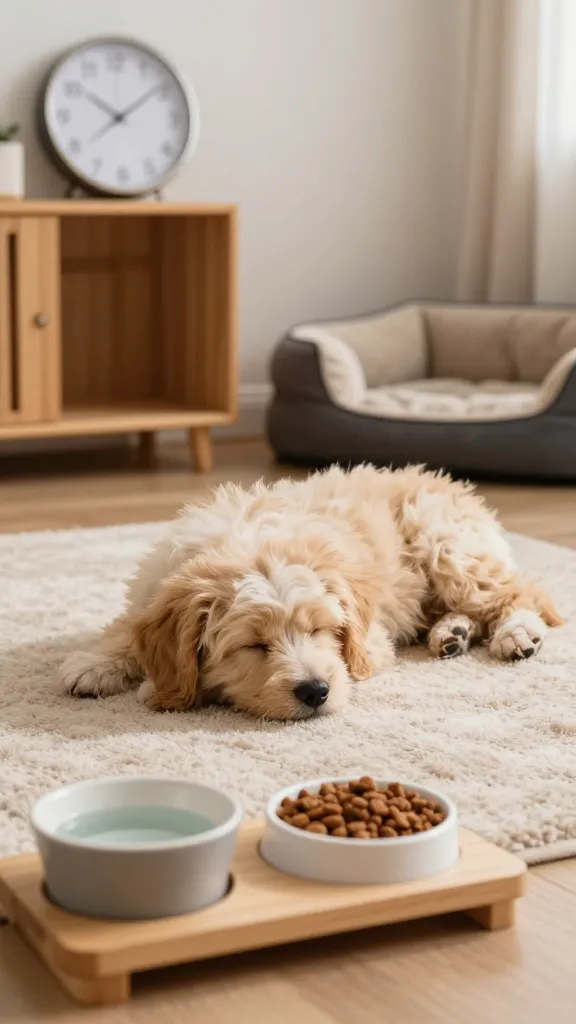
Food timing can influence how well your puppy sleeps. A predictable feeding schedule helps regulate energy and digestion, which translates to steadier naps and longer nighttime rest. FYI, abrupt feeding changes can disrupt sleep cycles, so adjust gradually.
Best practices:
- Feed two to three small meals per day, spaced evenly
- Avoid vigorous play right after meals; give 15–30 minutes to digest
- Offer water consistently, but limit before bedtime to reduce late-night bathroom trips
End result: a more predictable energy dip in the evening and fewer wake-ups. When to use: start with a simple two-meal schedule and adjust as needed.
5. Use Short, Structured Evening Activities
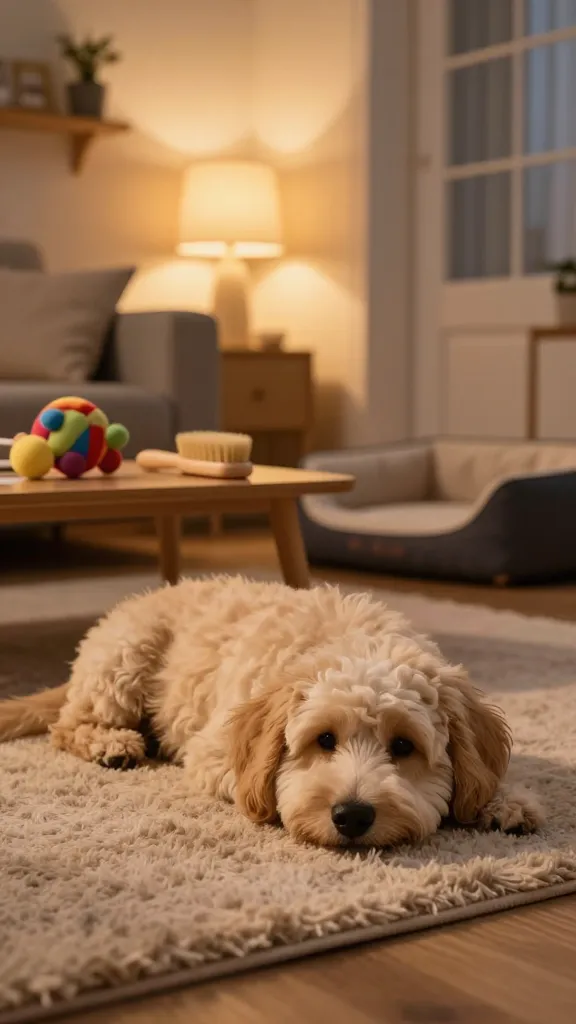
Evenings shouldn’t be all chaos and zoomies. Short, structured activities help burn energy without revving them up too much right before bed. Trust me, your pup will thank you with better sleep and fewer silly antics at 3 a.m.
Try these:
- 10–15 minutes of gentle fetch or tug in a quiet space
- Low-energy puzzle toys that encourage sniffing and problem-solving
- Calm brushing or a gentle massage to wind down
End with a ritual that signals “wind-down time.” Benefits: calmer demeanor at bedtime and smoother transitions into sleep.
6. Teach Gentle Sleep Cues & Boundaries

Teaching your puppy to settle on cue makes late-night rest a lot easier. If you can say a simple cue like “bed” and they respond with a calm lie-down, you’ve unlocked a powerful sleep tool. Yes, training = sleep gold.
How to implement:
- Reward a calm, lying-down behavior with a treat or favorite toy
- Use a consistent cue for bedtime and for “stay” as you exit the room
- Gradually increase the distance you’re from the bed while they stay settled
Benefits: quicker bed-downs, fewer stressful nights, and a pup who learns self-soothing. When to use: all nights, especially during transitions or crate training.
7. Monitor Sleep: Tracks, Cues, and Adjustments

Your puppy’s sleep is a living signal of their development. If sleep quality dips, you can tweak the schedule or environment to get them back on track. It’s normal to iterate—think of it as tuning a tiny, furry engine.
Simple monitoring ideas:
- Keep a basic sleep log: bedtime, wake times, naps, and notable events
- Watch for signs of restlessness: pacing, whining, or frequent bursts of play at odd hours
- Adjust nap lengths and evening activity to balance energy levels
Use this data to tailor a routine that sticks. Benefits: fewer night awakenings, steadier naps, and a happier pup overall. When to use: ongoing, with quarterly tweaks as your puppy grows.
Ready to give these tips a try? You’re about to unlock calmer nights, happier mornings, and a puppy who actually loves bedtime. Seriously, you’ve got this.
Conclusion: By building a predictable routine, optimizing space, and aligning feeding, potty, and wind-down activities, you’ll help your puppy sleep better and more consistently. Start small, stay consistent, and watch both you and your pup enjoy deeper rest.


