
6 Dog Whining Tips for Understanding and Training
Whining can be your dog’s way of saying, “Hey, I need help or some attention.” Let’s decode it, respond calmly, and turn those whines into pawsitive training moments. These six tips will help you understand and train without turning your home into a circus.
1. Read the Whine, Not Just the Sound
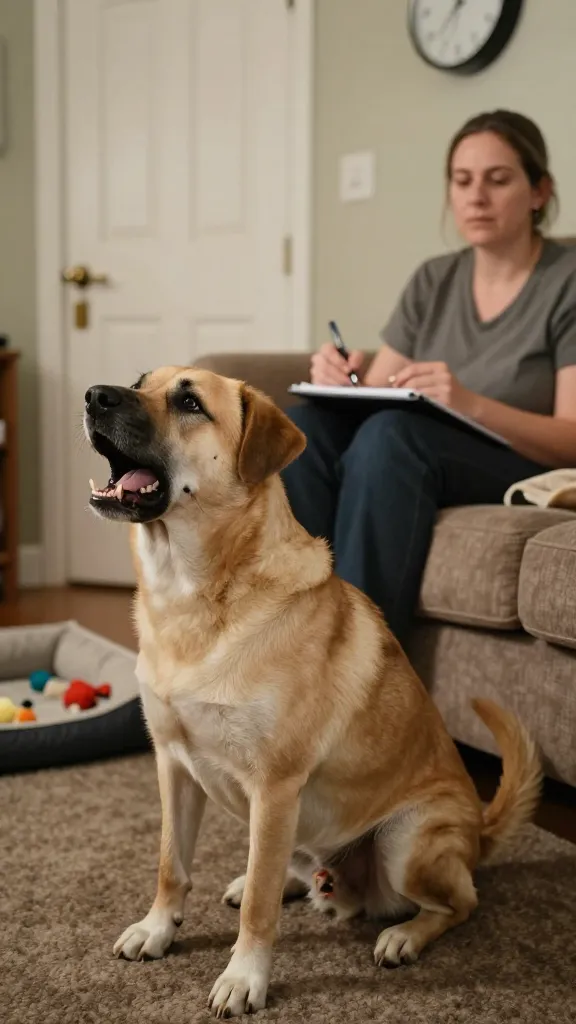
Whining isn’t a one-size-fits-all signal. Your pup could be anxious, excited, seeking attention, or in pain. The trick is to observe context, body language, and triggers. FYI, mixed signals are common, so you’ll need to piece clues together over time.
What to watch for:
- Body stance: stiff or tucked tail, ears forward or back
- Vocal patterns: single-pitched whine vs. high-pitched yips
- Triggers: doorbell, leaving the room, meal times
By decoding the whine, you’ll know whether to reassure, redirect, or ignore (when appropriate). This awareness is the foundation of calm, effective training.
2. Establish a Calm, Predictable Routine
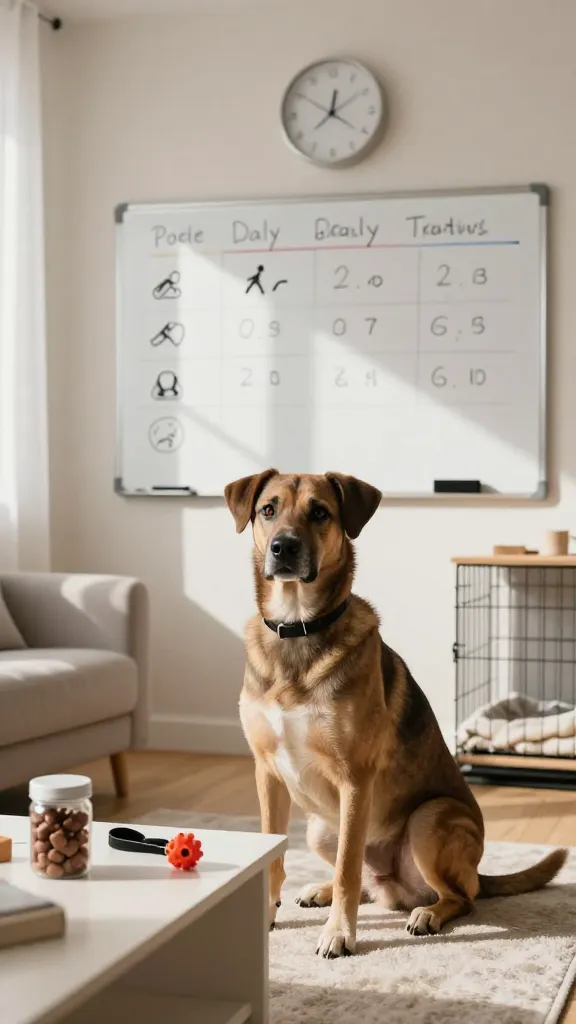
Dogs thrive on consistency. A steady routine reduces uncertainty that often triggers whining. When your dog knows what to expect, they whine less and cooperate more. Seriously, predictability is magic.
How to build it:
- Set regular feeding, walks, and potty times
- Schedule short, frequent training sessions
- Keep transitions gentle: announce a change, then move slowly
Benefits include less stress, more trust, and a dog that’s eager to please. Use routines to anchor good behavior and minimize the impulse to whine during uncertain moments.
3. Create a Safe, Comfort-Focused Space

Whining often spikes when a dog feels exposed or overwhelmed. A cozy, quiet area with familiar items can dramatically lower anxiety. This isn’t punishment; it’s a sanctuary that you guide them to when the world gets loud.
What to include:
- A soft bed or crate with a comfy blanket
- Interactive toys and chew items
- Calming scents (optional, like a tucked-away pheromone diffuser)
Short, positive visits to the space teach your dog that solitude can be safe. Use this as a retreat after a noisy walk or a stressful encounter, not as a punishment for whining.
4. Teach a Clear Alternative: “Quiet” or “Place”

Trainng a simple, reliable alternative to whining gives your dog a go-to behavior that earns praise or rewards. It’s like giving them a rulebook they can follow without guessing what you want.
How to implement:
- Introduce a cue like “Quiet” or “Place” paired with a reward
- Step-by-step: reward the moment the dog stops whining, then add the cue
- Gradually lengthen the time they stay quiet or in place while you’re present
Consistency is key. With enough practice, your dog will choose the alternative behavior before whining escalates, and you’ll both win.
5. Use Positive Reinforcement and Timing Cues

If you reward whining, you’ll be unintentionally teaching the wrong behavior. Flip the script: reward quiet, calm attention, and the specific cues you want. Timing matters more than you think—good timing makes the training click fast.
Simple plan:
- Reward immediately when the dog responds to a cue with a calm state
- Redirect attention with a favorite toy or treat during a whine
- Keep training sessions short and frequent to build confidence
Bonus tip: use high-value rewards for more challenging moments, and fade treats gradually as your dog stays consistently quiet.
6. Recognize When to Seek a Vet or Behaviorist

Not every whine is fixable with a quick training trick. If your dog shows signs of pain, persistent anxiety, or destructive whining, professional help can prevent frustration for both of you. Trust me, a professional assessment can save you months of trial and error.
When to seek help:
- Whining accompanied by limping, crying during movement, or appetite changes
- Whining that worsens over time or after a specific incident
- Extreme separation anxiety that disrupts sleep or daily life
A vet or certified behaviorist can rule out medical issues and tailor a plan that fits your dog’s personality and environment. You’ll get actionable steps, and your dog gets a clear path forward.
With these six tips, you’ll decode whining faster, respond more effectively, and train with less guesswork. Think of whining as a conversation starter—you just need the right replies to keep the dialogue productive. FYI, consistency compounds quickly, and you’ll start noticing calmer days sooner than you expect.
Ready to put these into action? Grab a calendar, pick one tip to start with, and log your progress. Soon enough, you’ll be chatting with your pup in a language that turns whining into understanding—and training that sticks.