
7 Tips on How Much Food Should a Cat Eat
Let’s cut to the chase: feeding your cat right isn’t about guessing or chasing trends. It’s about consistency, curiosity, and a little bit of math magic. These seven tips keep meals predictable, happy, and healthy.
1. Know the Basics: Start with the Right Calorie Target

Every cat is unique, so there isn’t a one-size-fits-all number. The goal is a steady weight and plenty of energy for zoomies, naps, and occasional unsolicited meows for snacks. FYI, tracking a baseline helps you tailor portions like a pro.
Key Points:
- Check the cat food label for calories per cup or per can
- Weigh your cat monthly to catch subtle changes
- Consult your vet if you’re unsure about ideal weight
Starting with a target range, not a fixed number, gives you room to adjust as life changes—like weather, activity, or a new feline friend in the house.
2. Measure Like a Barista, Not a Feeder
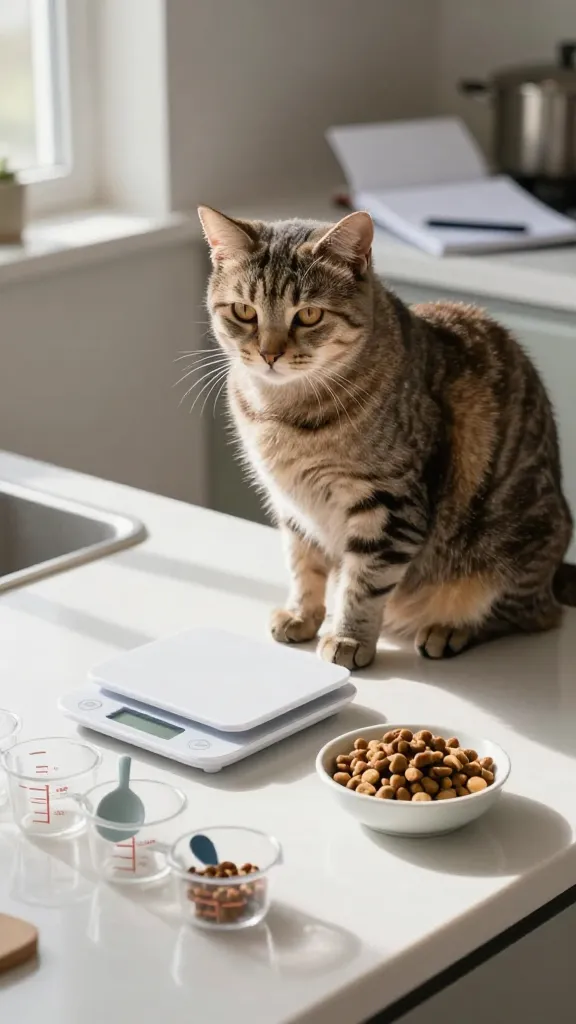
Portion control isn’t punishment; it’s precision. Measuring ensures you don’t accidentally turn meals into a snack buffet. Seriously, a small scale or proper measuring cup can save you from overfeeding chaos.
Tips:
- Use a consistent measuring tool for both wet and dry foods
- Divide daily portions into two or three meals
- Record what you feed each day to spot patterns
Benefit? Fewer stomach upsets, clearer weight trends, and less guilt when you sneak a treat (moderation, people). Trust me, your cat will notice the difference too.
3. Wet vs. Dry: How the Mix Affects Portions

Wet food is often more filling per calorie, while dry kibble can be convenient for schedule slackers like us. Mixing them thoughtfully can keep meals engaging and balanced. IMO, a little variety goes a long way.
Guidelines:
- Rotate protein sources when possible to prevent picky eating
- Adjust portions based on moisture content to hit the same calorie goal
- Monitor stool quality as you switch textures
End result: your cat stays satisfied without overeating, and you don’t feel like you’re running a culinary lab in the kitchen.
4. Activity Level Is the Secret Ingredient

Increased playtime means more calories burned. Do you have a feather wand, laser pointer, or cardboard box fortress ready to unleash? When your cat is zooming, you’ll naturally need a little more fuel.
What to Do:
- Match meals to activity peaks (light breakfast after a play session)
- For indoor cats, schedule gentle play twice a day
- Adjust portions after seasonal changes in energy
Bonus: a fitter cat often enjoys longer, happier days and less stubborn begging at mealtimes.
5. Watch the Body, Not the Scale Alone

Weight charts tell part of the story, but you want a living, breathing health snapshot. Cat bodies are busy doing invisible work—organ health, heart strength, coat shine—so use a quick check-in weekly.
Quick Checks:
- Rib feel test: you should be able to feel, not see, ribs
- Waist should be noticeable behind the ribs when viewed from above
- Discipline: avoid dramatic, rapid weight swings
When your cat looks a bit “fluffier” or “leaner” than last month, tweak portions a touch. Small, consistent changes beat big, scary shifts.
6. The Vet Is Your Co-Pilot, Not the Enemy

Regular check-ins with your veterinarian keep your feeding plan on the rails. They’ll flag issues that aren’t obvious from a quick glance at the scale. FYI, a quick growth or loss could signal a medical issue that needs attention.
What to Bring to Visits:
- Current weight and daily food amounts
- Recent stool changes or energy level notes
- List of snacks and treats given daily
Seasoned tip: ask for a target weight range and recheck cadence. It’s easier to orbit a healthy number than chase it forever.
7. Treats, Snacks, and the Subtle Art of Boundary Setting
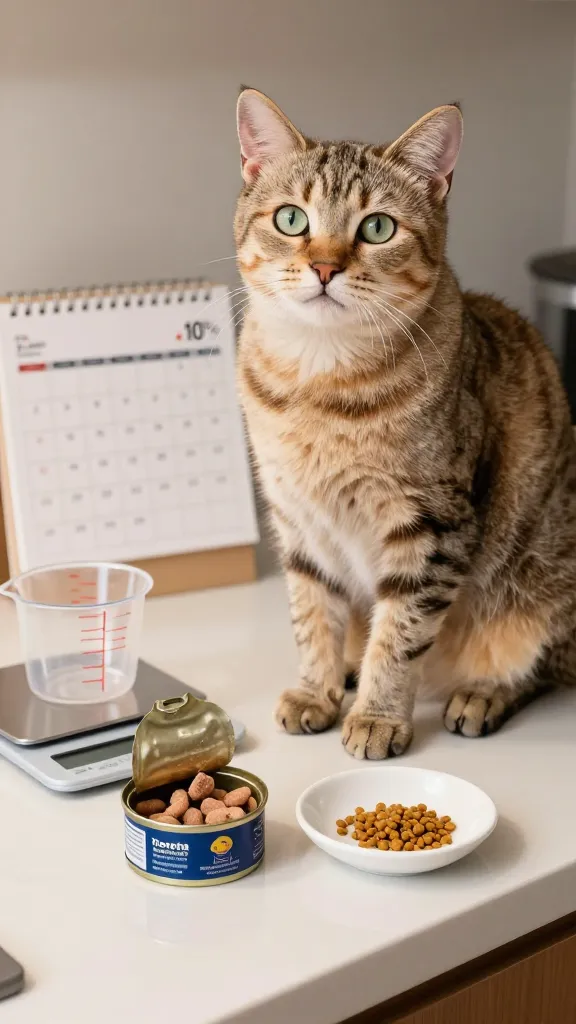
Treats count too. The trick is to keep them small and meaningful without wrecking your calorie budget. The goal is a happy cat and a happy wallet, not a suspiciously round belly.
Smart Treat Rules:
- Limit daily treats to 10% of daily calories
- Choose low-calorie treats or use a portion of daily kibble as a reward
- Use interactive play rewards instead of constant nibbling
Benefits: better behavior, fewer tantrums at mealtime, and a sense that your cat’s treats are truly earned.
Ready to try these ideas? Start with one small adjustment this week, track the results, and layer in another tip next week. Your cat will thank you with extra purrs and those dramatic kneading sessions on your lap.
Remember: consistency beats chaos. With a little measurement, a splash of curiosity, and a dash of humor, feeding your cat becomes simpler and way more enjoyable. Seriously, you’ve got this.