5 Dog Watching Outside Tips for Better Behavior You Need Now
Ready to turn those outside moments into calmer, cooler dog vibes? These tips are simple, practical, and oddly satisfying to watch in action. Trust me, your pup will thank you with confident stances and wagging tails.
1. Read the Room Before Head Out
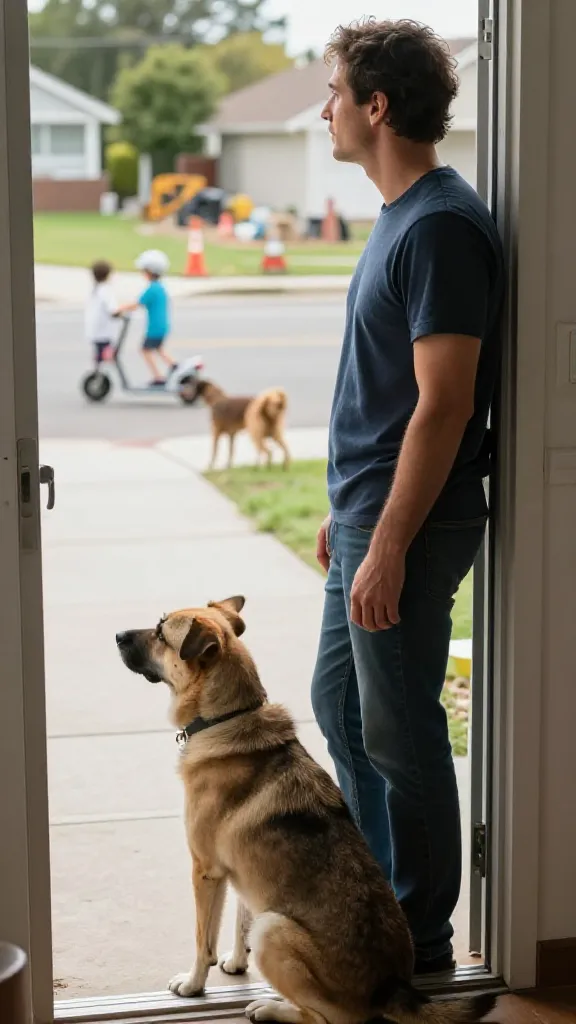
You’ll be amazed how a quick scan can prevent a lot of drama. When you step outside, notice the surroundings, not just your pup’s nose-twitching excitement. This tiny habit sets a foundation for better behavior all day long.
Key Points
- Check for potential triggers: kids on scooters, other dogs, loud construction
- Decide on a plan: focus training or free roam, depending on the scene
- Establish a cue for “outside time” so your dog knows what’s coming
Doing a quick mental map saves you from reactive moments and gives your dog clear signals. FYI, consistency is the secret sauce here.
2. Use a Short Fence of Focus
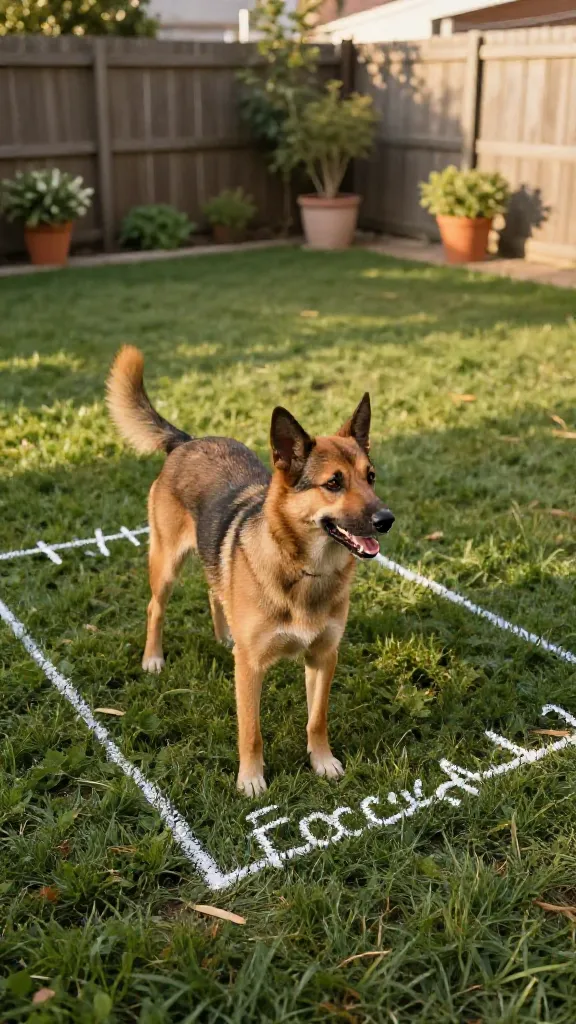
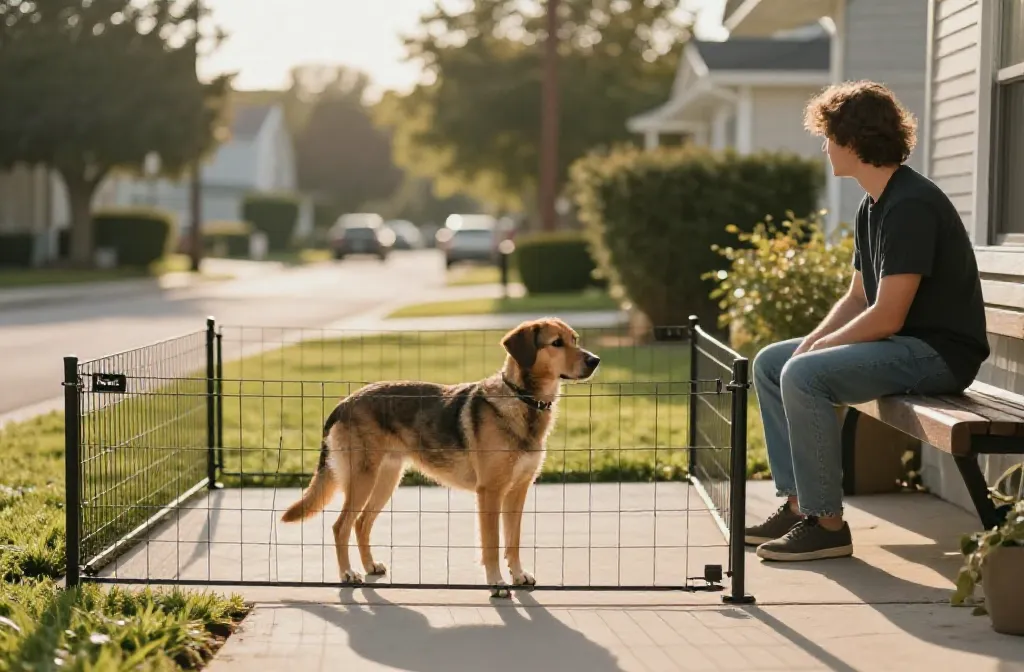
A little “focus fence” goes a long way. It’s not about cramping your pup’s style; it’s about teaching self-control while they’re outside chasing scents. Short, intentional periods yield big behavior payoffs.
What to Do
- Pick a boundary: a small square patch of yard or a balcony with a defined edge
- Reward when they stay inside the zone during common triggers
- Gradually extend time as they stay calm
Why it works? Your dog learns that staying within boundaries isn’t a punishment—it’s a cue for yummy treats and praise. Seriously, you’ll notice fewer boundary-pounding sessions.
3. Swap Outdoor Stimulation for Controlled Calm
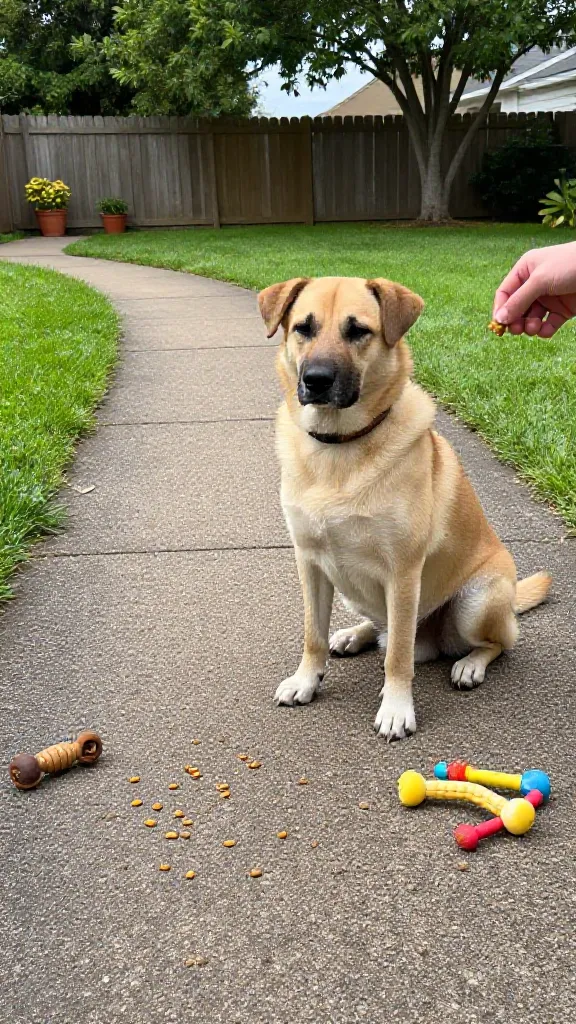
Big outdoor stimuli can derail even the best dogs. Replace overpowering sights and smells with structured calm activities that satisfy their instincts without turning the yard into a sprint track.
Ways to Do It
- Scatter tasty treats around a shaded path to encourage sniff-and-snack behavior
- Use a toy rotation to keep engagement high without frantic chases
- Incorporate brief sit-stay or down-stay exercises at periodic points
Benefits spike as your pup learns that outdoor life can be predictable and rewarding. IMO, this is where learning sticks and confidence builds.
4. Train Quick Outdoor Cocalm Cues
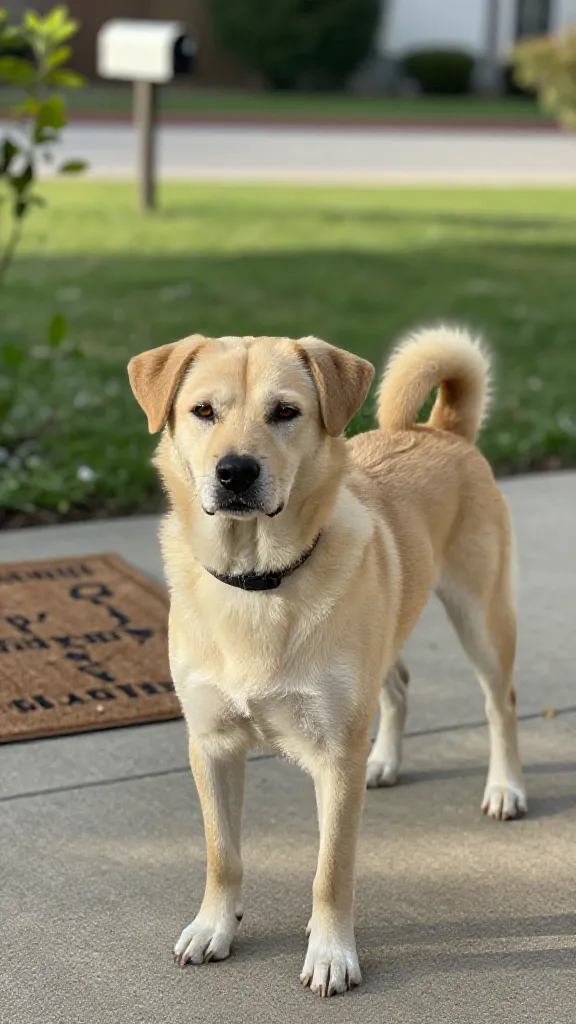
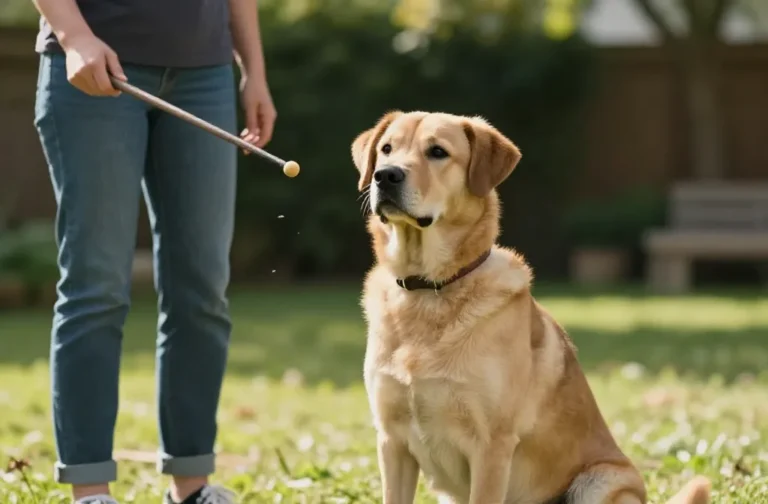
Outdoor calm cues are tiny commands that translate from the living room to the leash-free zone. Short, snappy cues are easy to remember and execute during real-life moments.
Short Cues You Can Use
- “Chill” for a relaxed posture
- “Look” to make eye contact instead of following every scent
- “Place” to send your pup to a comfy mat or designated spot
Apply after you’ve practiced at home, then carry them outside. Trust me, these cues save you from micro-muscle chaos when the mailman arrives or a leaf blower roars by.
5. End Sessions with a Positive Reset
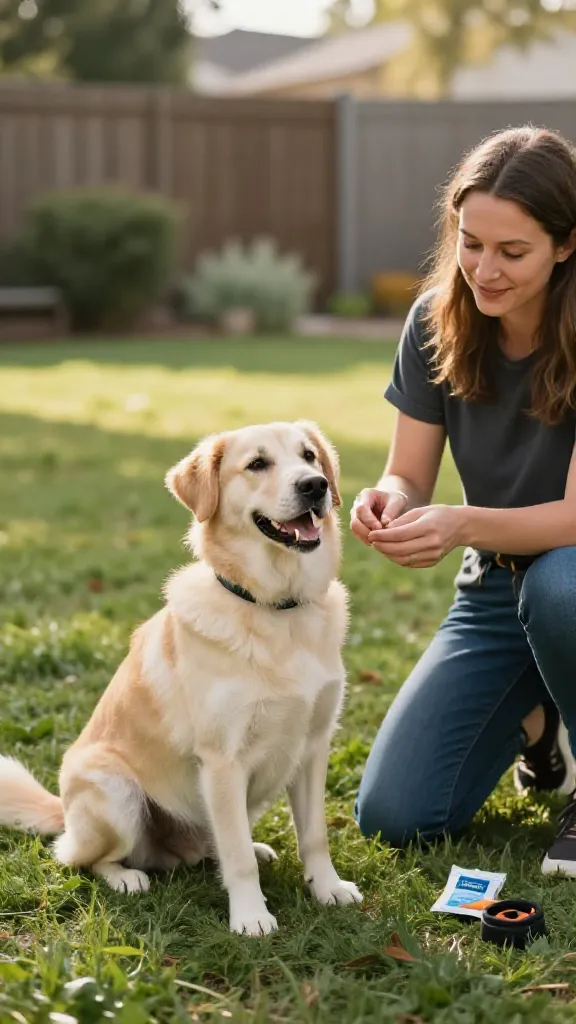
Every outdoor session should close on a high note. A calm exit helps your dog associate outside time with relief and good vibes—not chaos and frustration.
How to Wrap It Up
- Finish with a short sit or down and a treat so they remember calm as the outcome
- Give a clear cue for “inside” to guide the transition
- Record a quick win: note what clicked and what needs a tweak for next time
By ending on calm, you build a durable habit loop. It’s like hitting the reset button for tomorrow’s yard adventures.
Ready to try these ideas? Start small, celebrate tiny wins, and watch your dog’s behavior outside get noticeably better. FYI, consistency beats intensity every time, and you’ll have more fun along the way.